
AI-Enhanced Writing Series
You can use AI to help you write a novel without sounding like a robot wrote it. That’s what this library is for.
Forty-plus handbooks teaching fiction craft through psychology. Character development. Plot structure. Dialogue that sounds like actual people. Pacing. World-building. Genre techniques that work because you understand why readers respond to them. Each handbook comes with AI prompts built for fiction writers, not the generic nonsense you find in most “AI for writers” content.
Most writing courses hand you templates. Follow the beats, hit the marks, pray it works. These teach the psychology underneath, so when your story doesn’t fit the formula, you know how to adapt. Written by a 113-book author who’s ghostwritten for Fortune 50 executives and knows the difference between theory and getting pages done.
The Purpose and Overview guide and AI Shortcomings guide are free. Start there.
Courses & Bundles Craft Foundations Genre Guides Writer’s Life & Process Marketing & Business Free Guides
Premium Courses & Bundles
complete systems for marketing and memoir
-
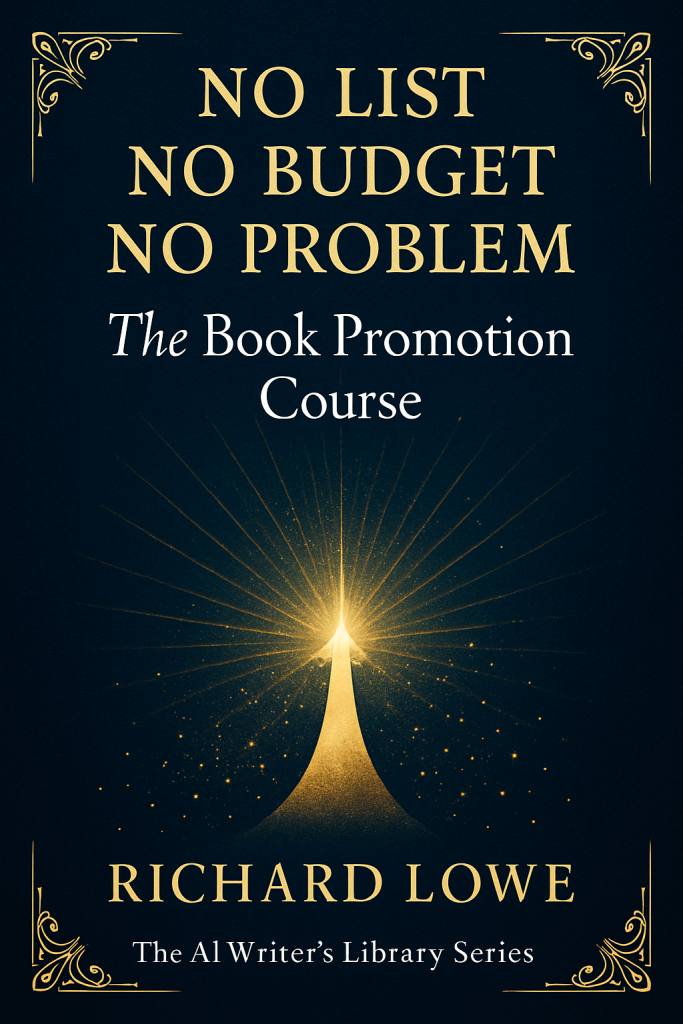
Book Promotion Course
No list, no budget, no problem. Complete 9-phase book marketing system from zero to sustainable sales. 351 pages, 78 lessons, AI prompts. From an author with 113+ books and 54+ ghostwritten books. -

Memoir Course Bundle
Everything you need to write your memoir. 4 books, 2 supplements, one complete system. From first idea to polished manuscript. Save $94 with the bundle.
Craft Foundations
character, dialogue, plot, pacing, structure & scene craft
-

Antagonist Handbook
Psychology-first villain development for romance, fantasy & thriller writers. 7 antagonist types, 40+ AI prompts, 5 case studies. 116 pages, $9.95. -

Character Naming Handbook
Names are the first promise you make to readers. This handbook teaches character naming as craft—psychology, research, AI tools, and seven detailed case studies. -
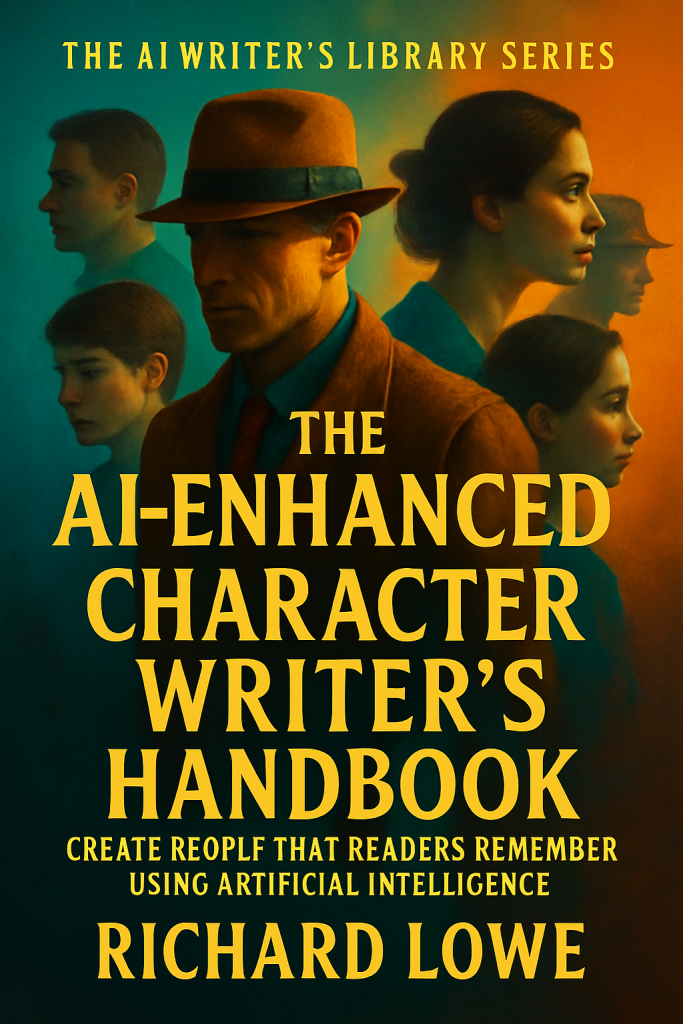
Character Writer’s Handbook
Create memorable characters using psychology. Attachment theory, defense mechanisms, voice development, AI integration. 270-page guide from 113-book author. -
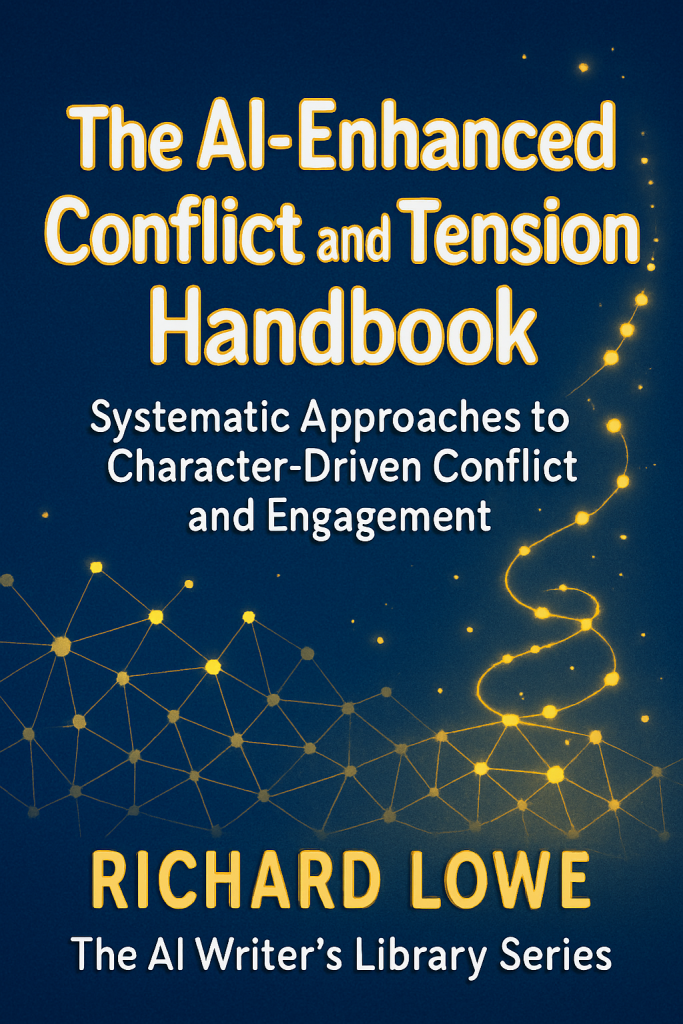
Conflict and Tension Handbook
Create tension readers can't escape. Psychology-first conflict, dialogue subtext, meaningful stakes, escalation that feels inevitable. 200-page guide from 113-book author. -
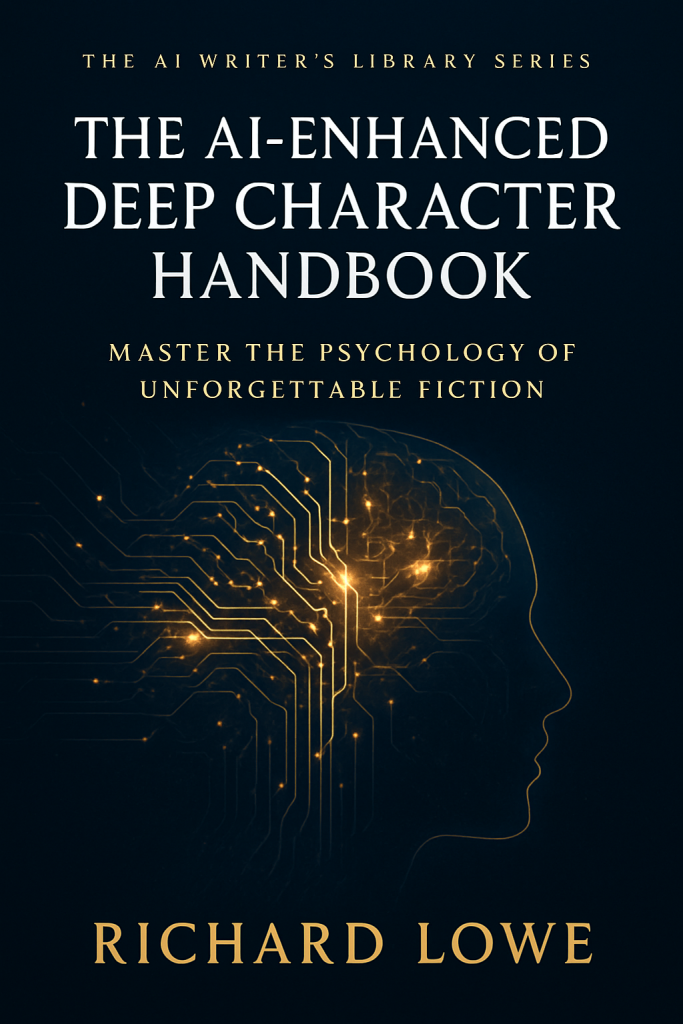
Deep Character Handbook
Master character psychology. Wound-Adaptation-Pattern Framework, attachment theory, defense mechanisms, case studies. 503-page guide from 113-book author. -
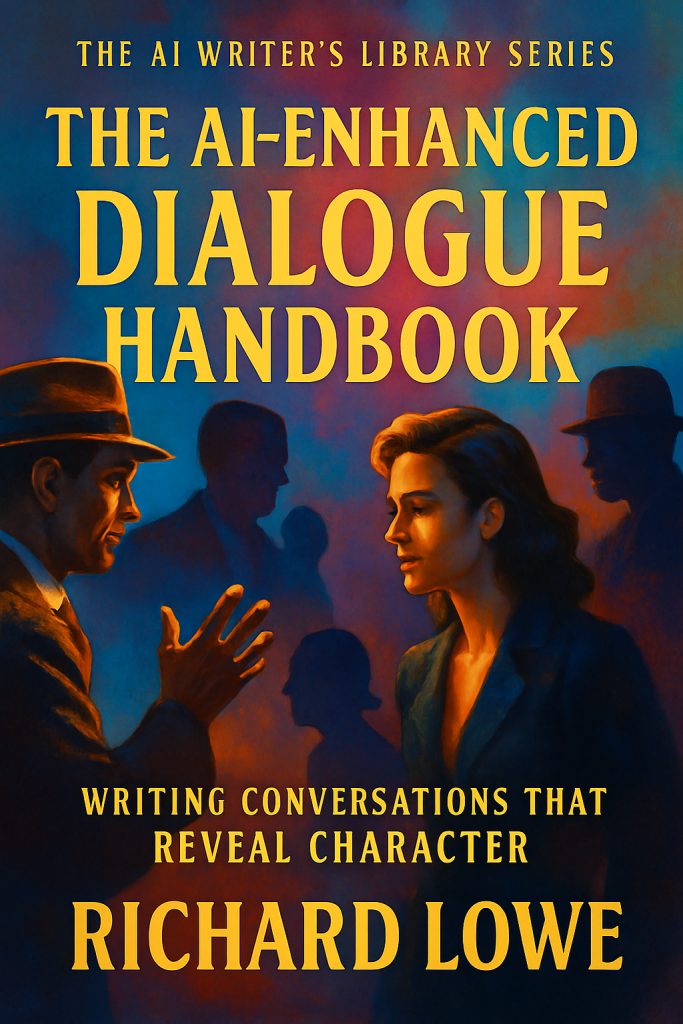
Dialogue Handbook
Write dialogue that sounds like different people wrote it. Attachment styles, defense mechanisms, subtext. 298-page guide from 113-book author. -

Dynamic Backgrounds Handbook
Psychology-first description craft. Character-filtered perception, sensory immersion, genre techniques, 6 case studies, 150+ AI prompts. 200+ pages from a 113-book author. -
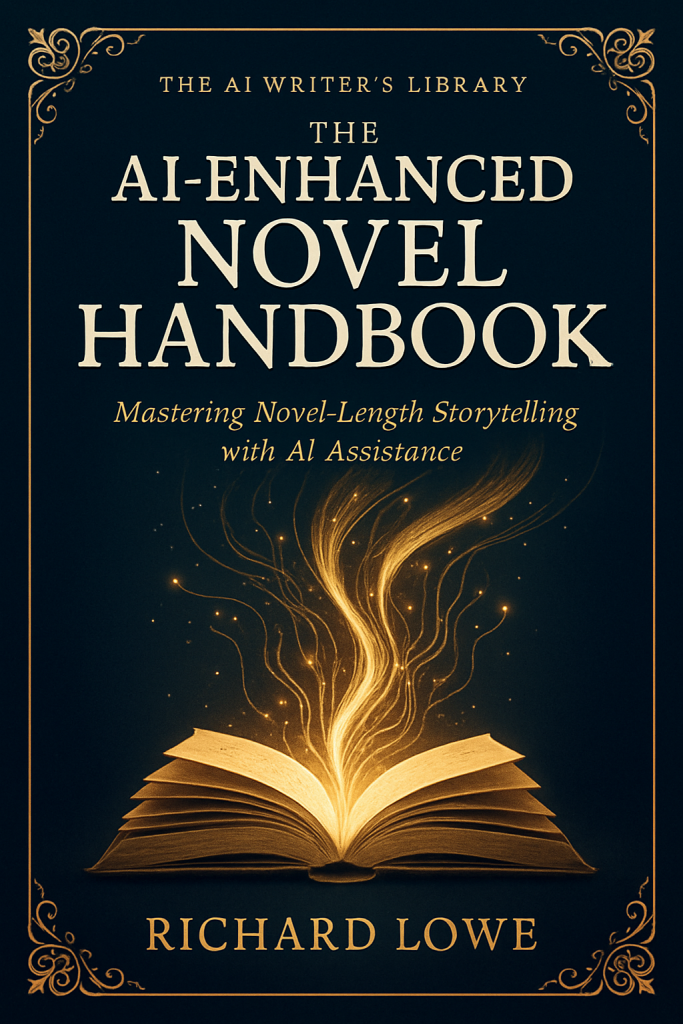
Novel Handbook
Novel-length fiction guide covering architecture, saggy middles, character drift, and series planning. 4 case studies. AI collaboration for 80,000+ words. 247 pages. -
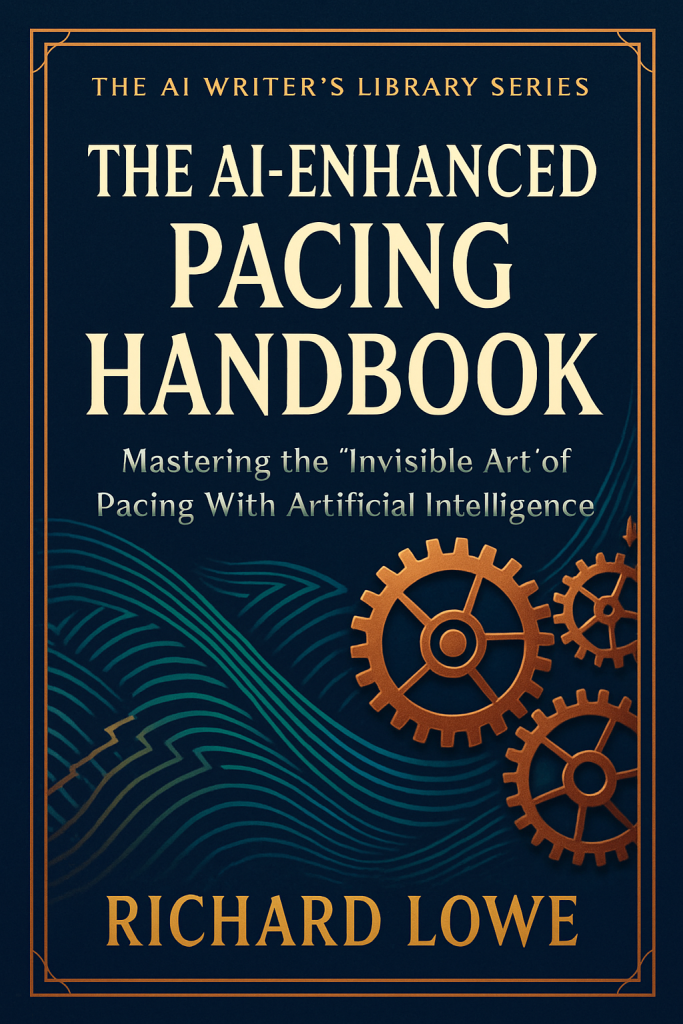
Pacing Handbook
Psychology-first pacing guide covering reader attention, scene mechanics, chapter architecture, and genre patterns. Case studies included. AI prompts. 127 pages. -
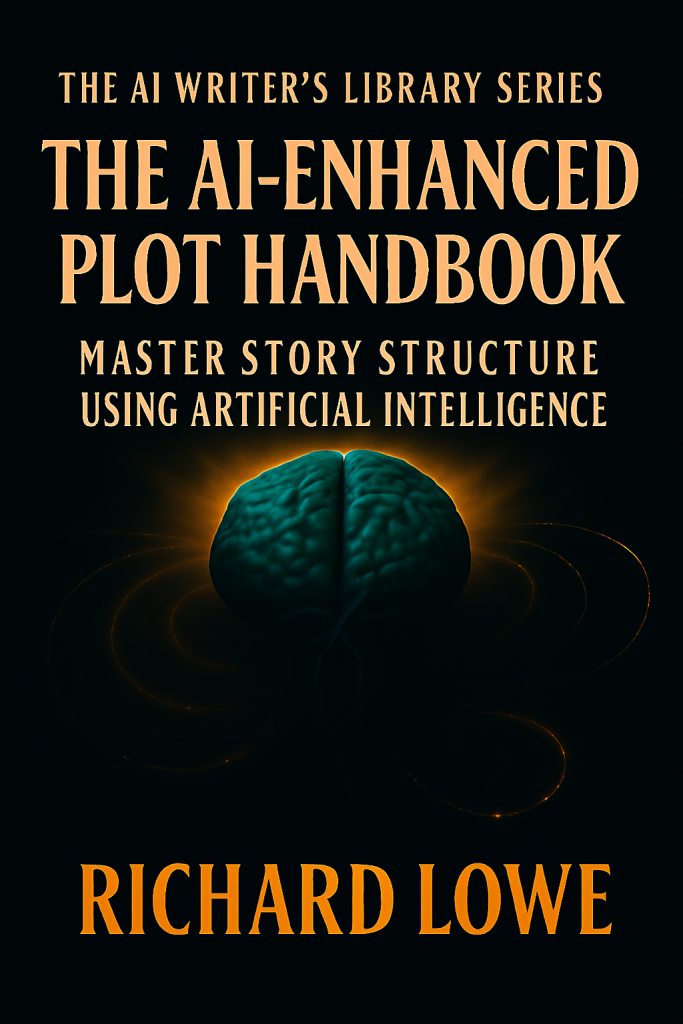
Plot Handbook
Psychology-first plot guide covering three-act structure, character-driven conflict, stakes, and twists. Breaking Bad & Marvel case studies. AI prompts. 158 pages. -

Point-Of-View Handbook
Psychology-first POV guide covering first person, third limited, omniscient, and multiple viewpoints. Gone Girl & Harry Potter case studies. AI prompts. 155 pages. -
Protagonist Handbook
Stop writing heroes readers tolerate. 120-page handbook covers protagonist psychology, seven hero types, character arcs, and 40+ AI prompts. Case studies from Katniss to Walter White. From a 113-book author. -
Showing and Telling Handbook
Neuroscience-based showing guide covering embodied simulation, mirror neurons, and sensory gateway technique. AI prompts for testing immersion. 281 pages + 2 bonuses. -

Story ARC Handbook
Psychology-first story structure guide covering opening hooks, rising action, midpoint crisis, and climax. Breaking Bad & Pride and Prejudice case studies. 192 pages. -
Theme and Meaning Handbook
Psychology-first theme guide covering character wounds, symbolic integration, and subtext. Tolkien & Breaking Bad case studies. AI prompts for thematic analysis. 152 pages.Psychology-first theme guide covering character wounds, symbolic integration, and subtext. Tolkien & Breaking Bad case studies. AI prompts for thematic analysis. 152 pages. -
World Builder’s Handbook
Psychology-first world-building guide covering environmental adaptation, economic systems, and scale awareness. Middle-earth & Foundation case studies. 286 pages.
Genre Guides
fantasy, horror, mystery, sci-fi, historical, romance & more
-
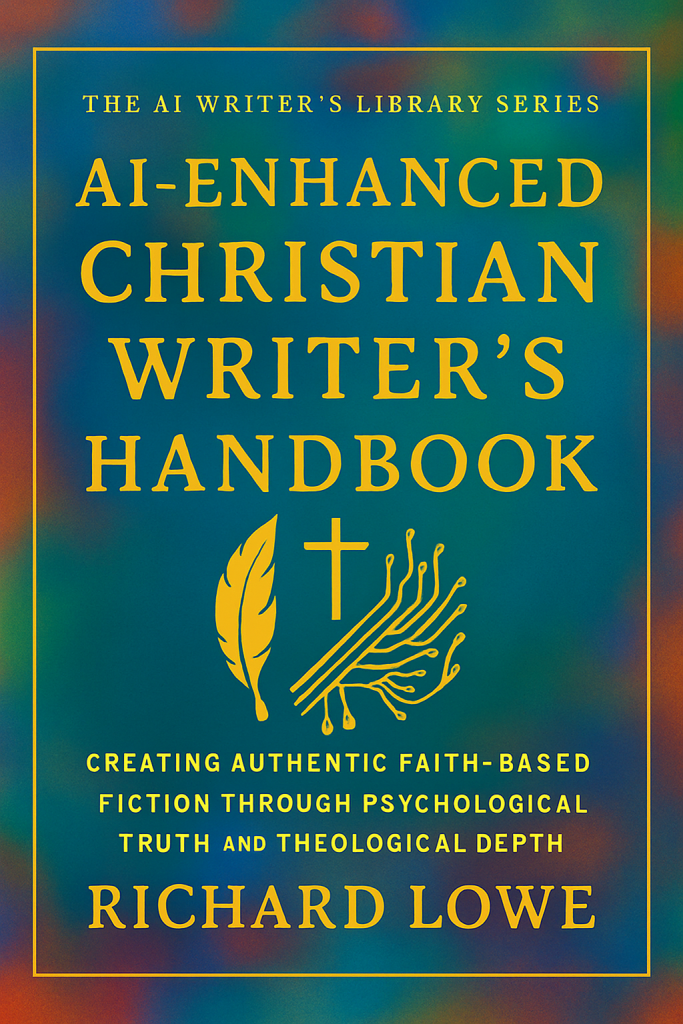
Christian Writer’s Handbook
Write Christian characters readers believe. Psychology-first faith development, authentic spiritual struggles, redemption arcs. 190-page guide from 113-book author. -
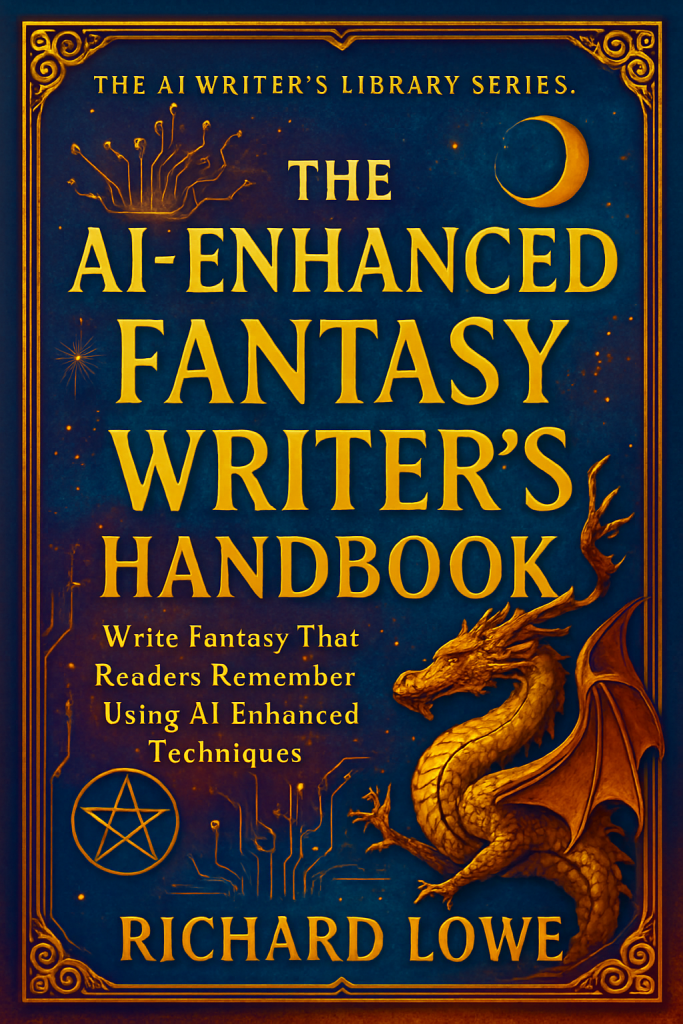
Fantasy Writer’s Handbook
Psychology-first fantasy writing guide with 33 prompt sets for dragons, vampires, werewolves, magic schools & more. AI collaboration techniques. 284 pages. -
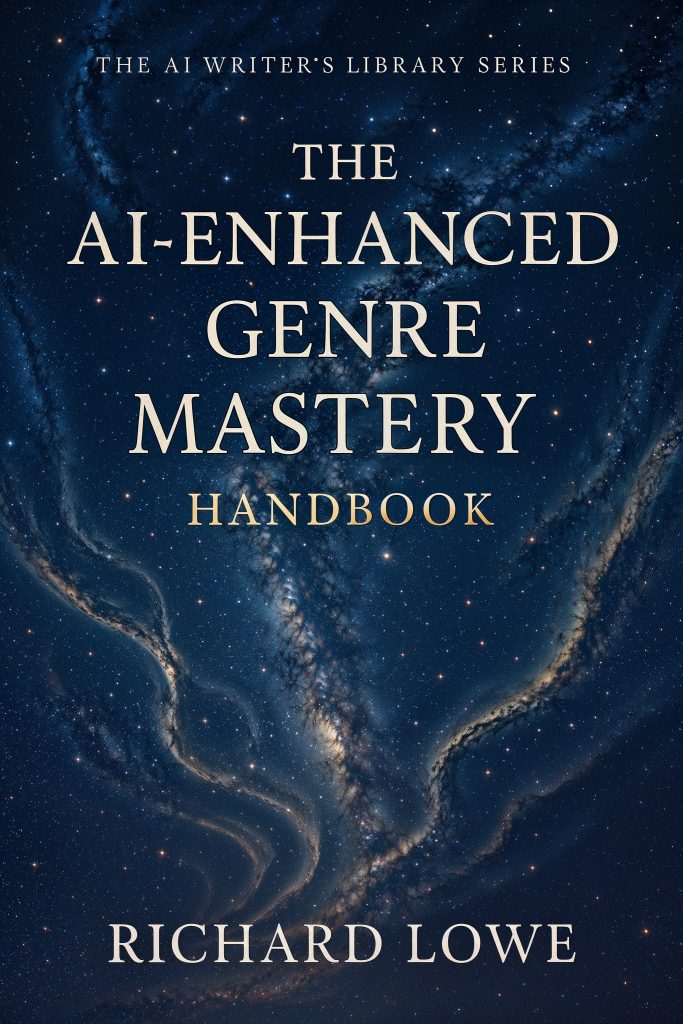
Genre Mastery Handbook
Master the psychological contracts for romance, mystery, thriller, fantasy & 5 more genres. Stop getting "couldn't get into it" reviews. 260 pages + AI prompts. -
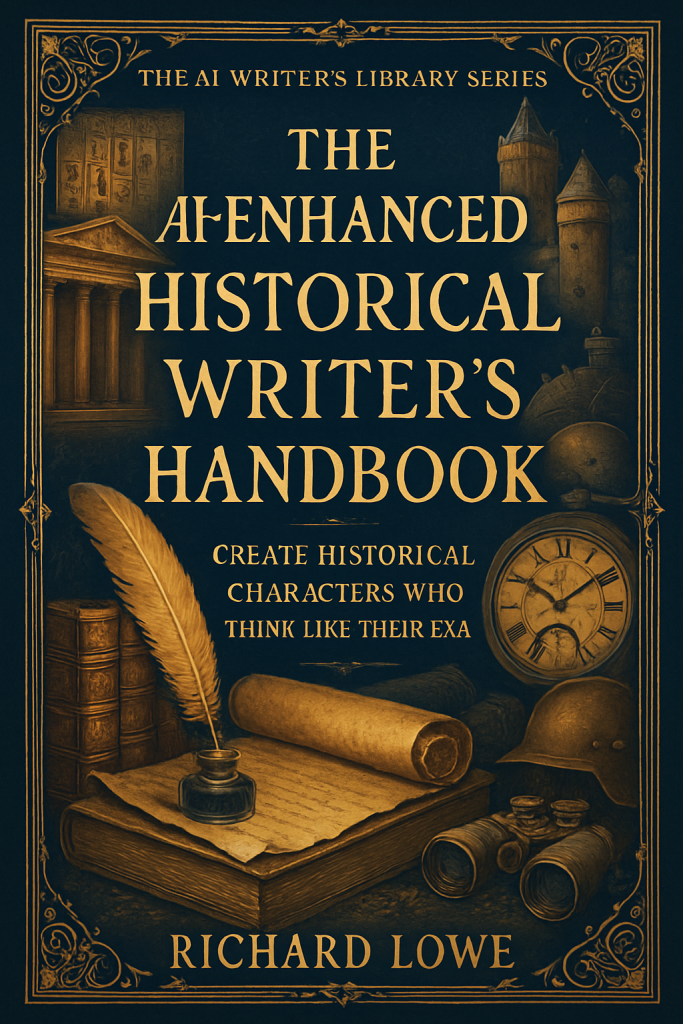
Historical Writer’s Handbook
Psychology-first historical fiction guide with 300+ scenarios from Ancient Egypt to WWII. Stop writing modern people in costumes. AI techniques included. 294 pages. -
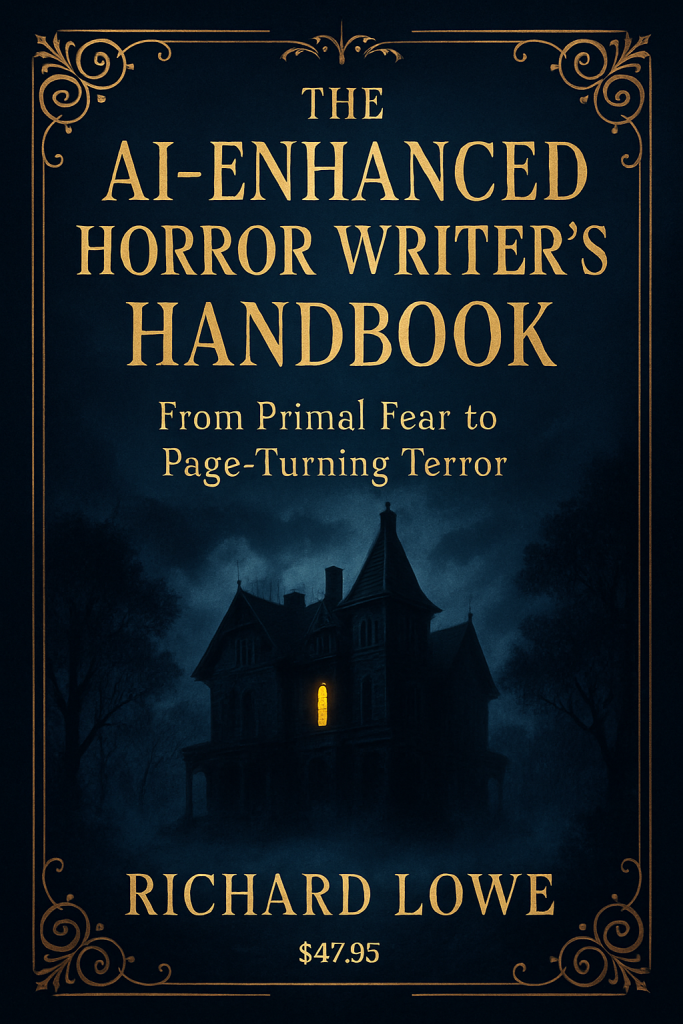
Horror Writer’s Handbook
Horror writing guide for fiction writers. Fear psychology, 7 subgenres, 7 creature types, 180+ AI prompts. 282 pages from 113-book author. -
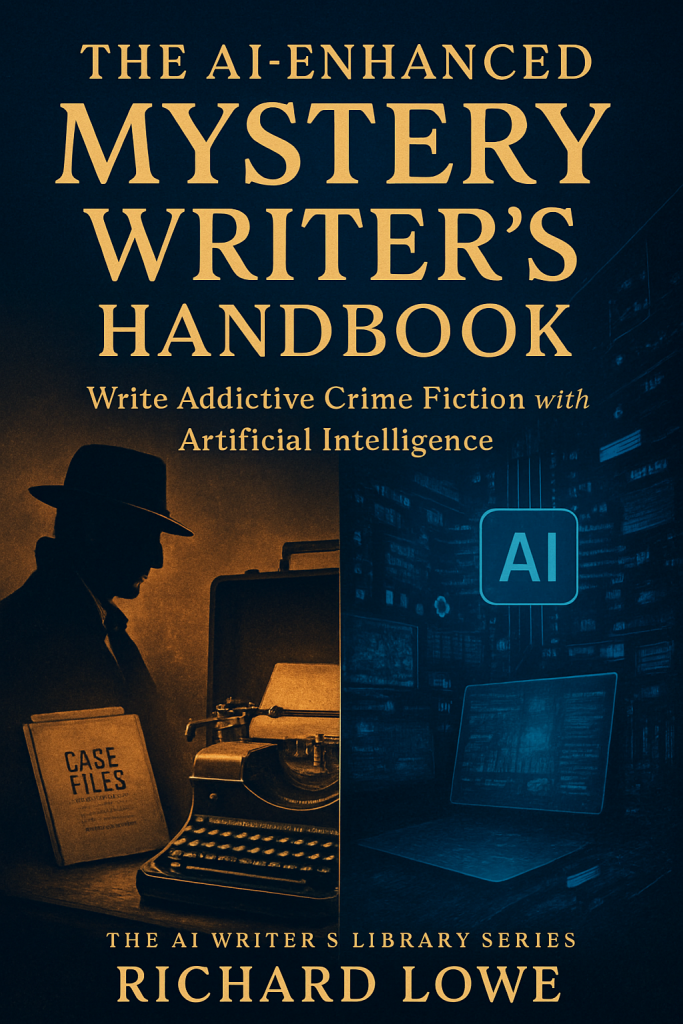
Mystery Writer’s Handbook
Psychology-first mystery guide covering fair play, red herrings, forensic accuracy, and AI timeline coordination. Amateur sleuth to procedural. 244 pages. -
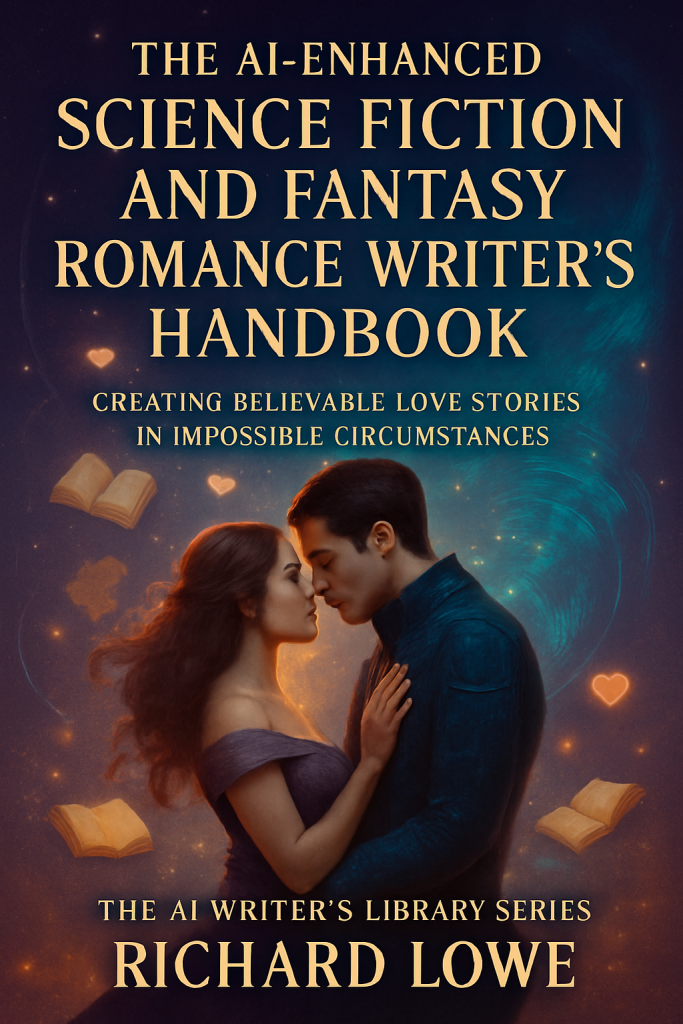
Science Fiction and Fantasy Romance Writer’s Handbook
Complete revision methodology from structural surgery to line editing. AI guardrails, feedback integration, genre-specific requirements. Case studies. 307 pages. -
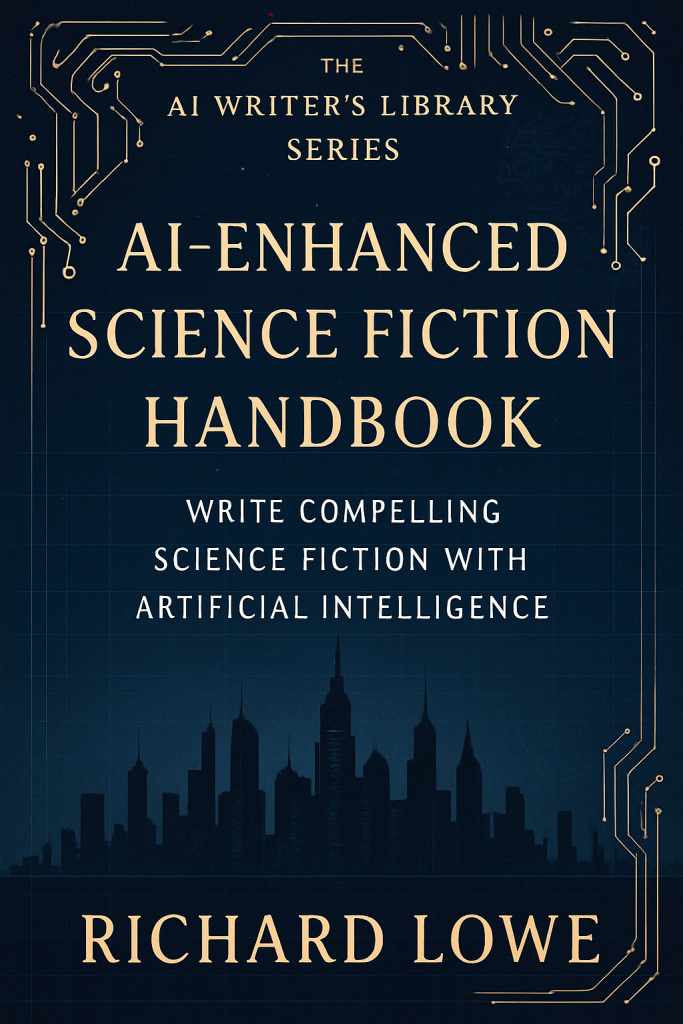
Science Fiction Writer’s Handbook
Psychology-first science fiction guide with 35 prompt chapters. Alien invasions to virtual worlds. Star Trek and Expanse case studies. AI integration. 362 pages. -

Steampunk Writer’s Handbook
Psychology-first steampunk writing. Victorian technology costs, 19 chapters, 9 case studies, 216+ AI prompts. From a 113-book author who grew up on Jules Verne. -
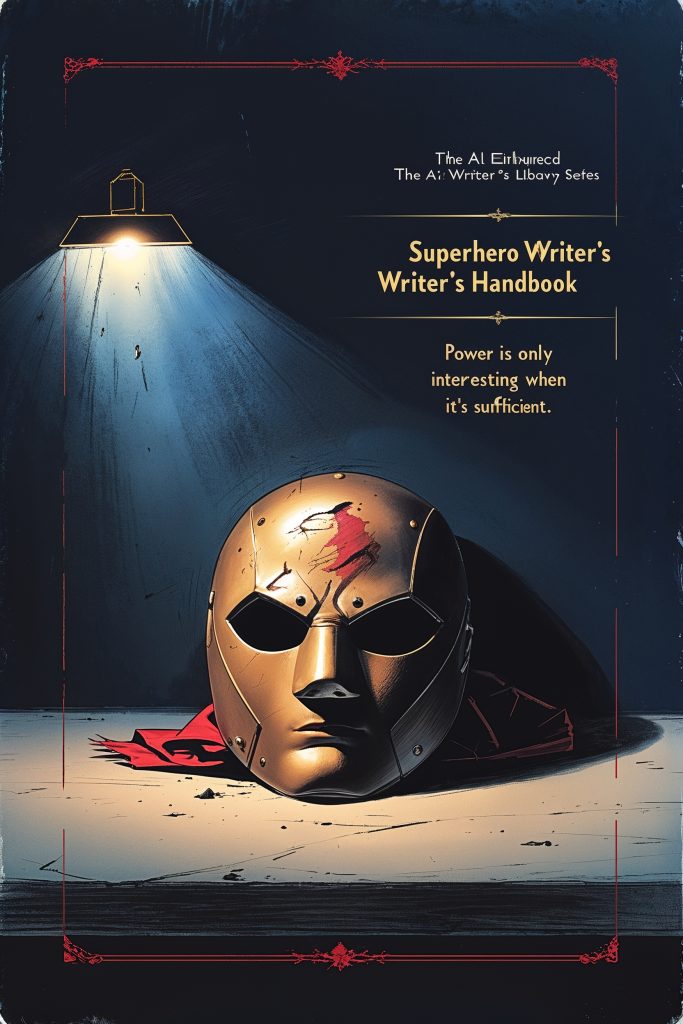
Superhero Writer’s Handbook
Psychology-first superhero writing. Power costs, 19 chapters, 10 case studies, 228+ AI prompts. Watchmen to The Boys. From a 113-book author. -
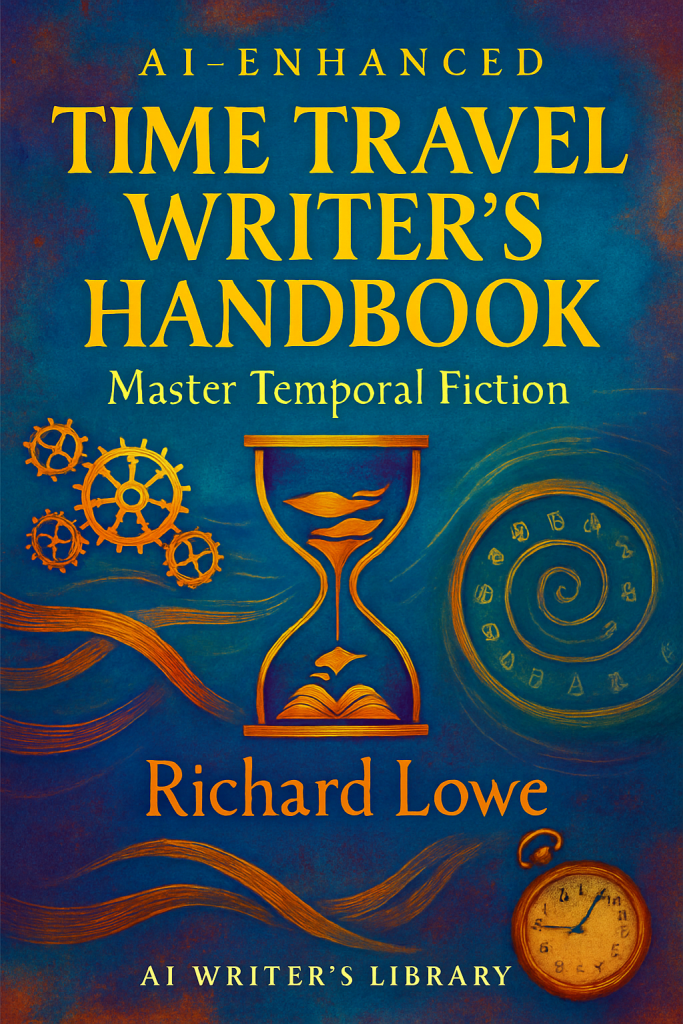
Time Travel Handbook
Write time travel fiction that holds together. Temporal models, paradox management, timeline tracking, 120+ AI prompts. 15 chapters from a 113-book author. -

Western Writer’s Handbook
Psychology-first western writing. Frontier psychology, 34 story types, landscape craft, cultural accuracy, 816 AI prompts. 522 pages from a 113-book author.
Writer’s Life & Process
productivity, revision, blocks, AI collaboration & beta readers
-
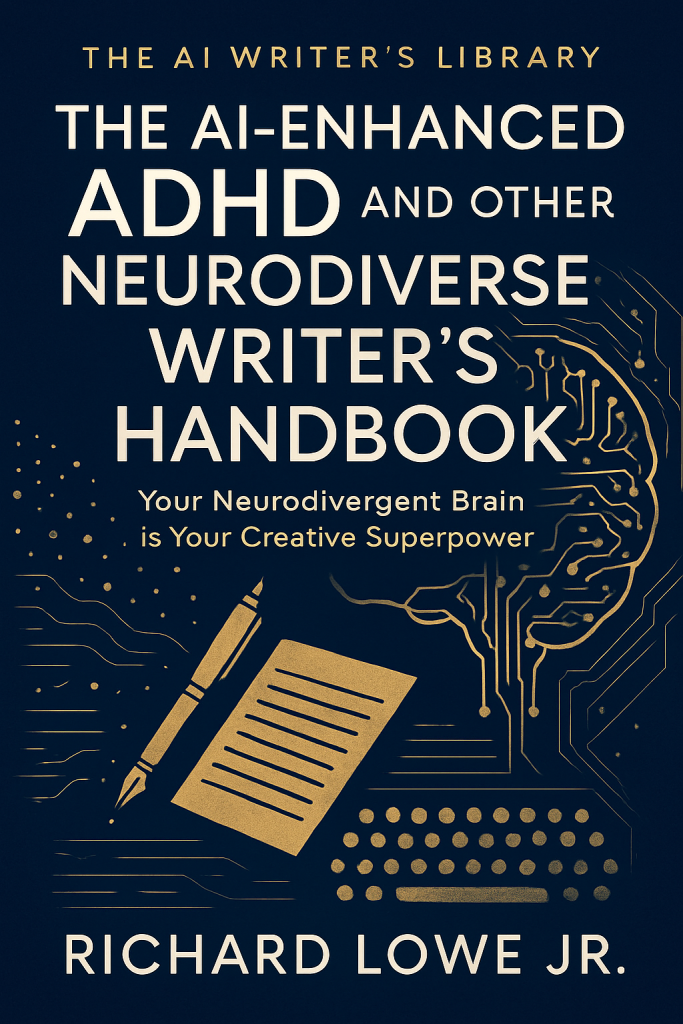
ADHD Writing Handbook: Systems That Work With Your Brain
ADHD writing advice fails because it's neurotypical advice with disability branding. 200+ page handbook with 100+ AI prompts from an AuDHD author with 113+ books. Instant download. -
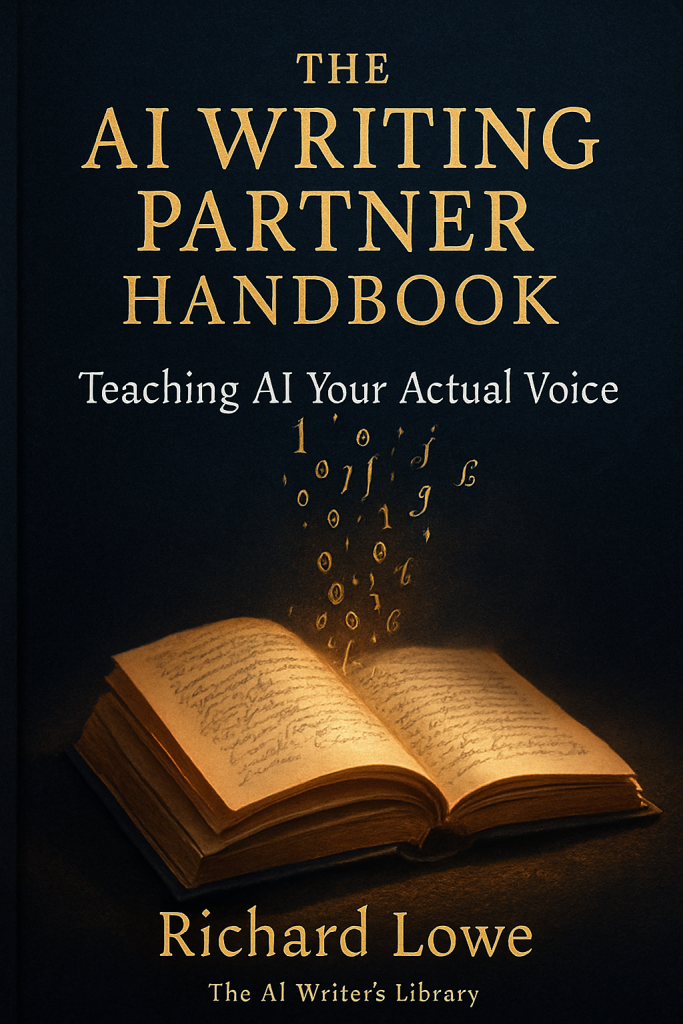
AI Writing Partner Handbook
Train AI to write in your voice. 50 robot patterns to catch, 40+ prompt templates, cleanup protocol. 15,000+ words from a 113-book author. -

Awful Writing Handbook
Fix writing mistakes in romance, fantasy, thriller & historical fiction. 68 sins, AI pattern cleanup & revision prompts. 399 pages from 113-book author. -
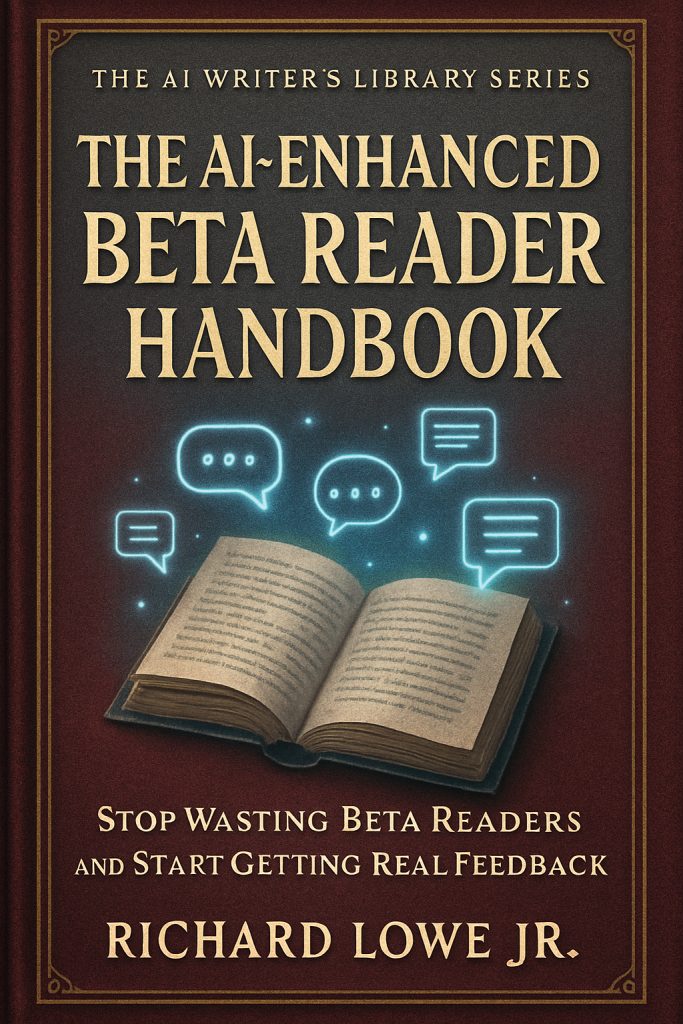
Beta Reader Handbook
Your beta readers say "I liked it" and you learn nothing. 270-page system for recruitment, questions, processing, and AI integration. From a 113-book author. -
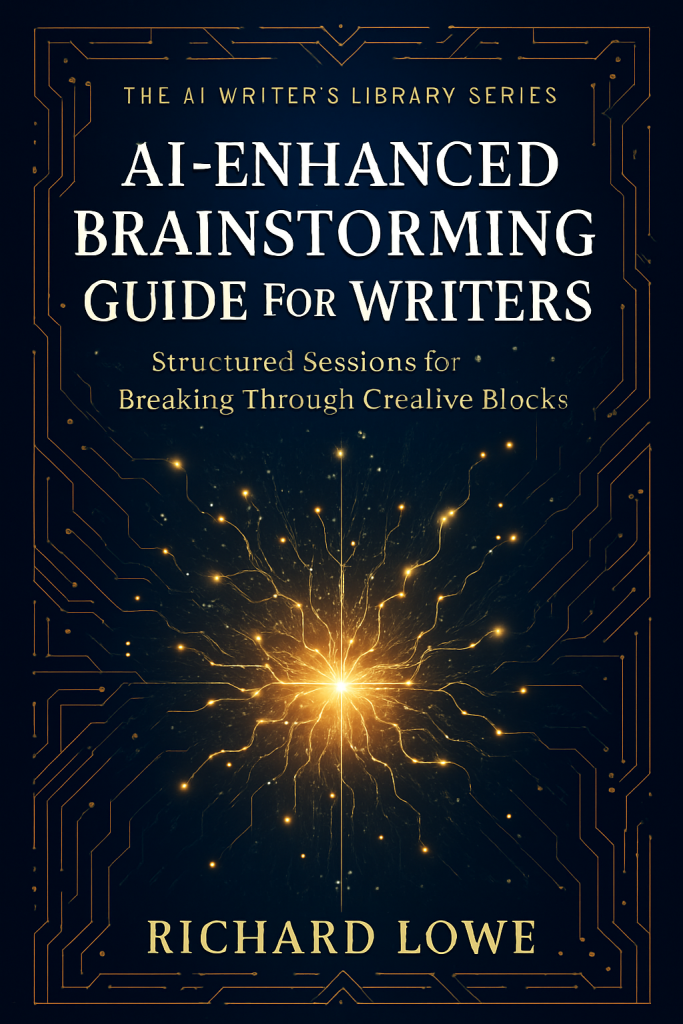
Brainstorming Guide for Writers
Break through creative blocks with structured brainstorming sessions. Psychology-first approach, AI integration, quick-reference templates. From 113-book author. -

DEI Writing Handbook
Write authentic diverse characters without tokenism. Psychology-first cultural development, identity intersections, research methods. 315-page guide from 113-book author. -
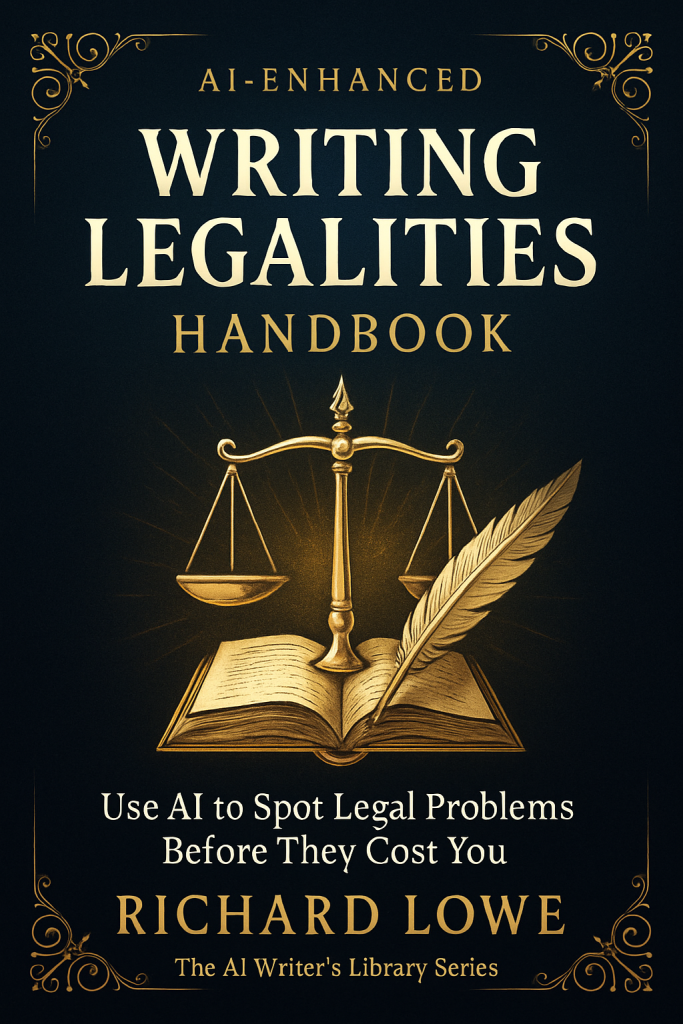
Legalities Handbook
Use AI to catch legal landmines before they blow up your book. Defamation, copyright, contracts, 200+ prompts. 12 chapters from a 113-book author. -

Revisions Handbook
Complete revision methodology from structural surgery to line editing. AI guardrails, feedback integration, genre-specific requirements. Case studies. 256 pages. -

Writer’s Productivity Handbook
Psychology-first productivity guide covering completion phobia, perfectionism, and resistance. AI platform comparison (Claude, ChatGPT, Gemini). 131 pages. -
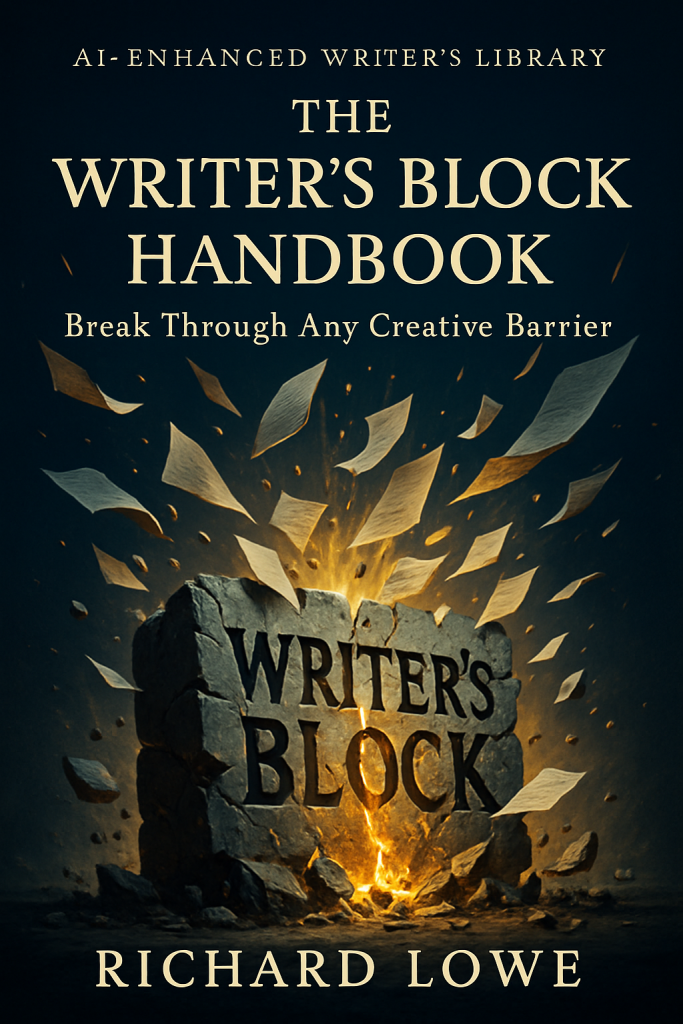
Writers Block Handbook
Neuroscience-based writer's block guide covering four block types (anxious, angry, apathetic, disappointed). Emergency protocols & AI prompts. ADHD chapter. 153 pages.
Book Marketing & Business
promotion, platform building, proposals, Substack & lead magnets
-

30-Day Substack Monetization Handbook
Turn Substack subscribers into revenue in 30 days. Products, services, three-tier audience model, day-by-day execution. Stop waiting. Start getting paid. -
Author Platform Handbook
Author platform handbook: website, email list, Amazon optimization, social media strategy. 90-day implementation plan with AI prompts. From 113-book author. -
Book Promotion Handbook
Book promotion handbook: buyer psychology, Amazon optimization, email marketing, ads that convert. Stop chasing tactics, start understanding why readers buy. -
Book Proposals Handbook
Query letters, synopses & book proposals for traditional publishing. Agent targeting, comp titles & 100+ AI prompts. 28 chapters from 113-book author. -
Lead Magnets for Writers Handbook
Psychology-first lead magnet guide for fiction and nonfiction authors. Stop building lists that never buy. Email platform comparisons included. 124 pages. -

Substack for Writers Handbook
Substack growth guide covering Notes algorithm, subscriber tactics, paid subscriptions & external revenue. Case studies from 14K+ subscriber writers. 136 pages.
Free Writing Guides
start here — AI methodology, failure modes & series overview
-

AI-Enhanced Series: AI Shortcomings
Free guide to AI failure modes. Hallucinations, context drift, AI language patterns, the cleanup checklist, and using Claude to catch Claude's mistakes. -
AI-Enhanced Series: Purpose and Overview
Free guide to the AI-Enhanced Writer's Library. All 31 handbooks organized by category with descriptions and links. Find what you need, skip what you don't. -
AI-Enhanced Series: Using AI for Writing
Free guide to using Claude for fiction writing. What AI does well, what it does poorly, the art of the prompt, and how to maintain your voice. Practical, not hype.
Need More Help?
Sometimes a book isn’t enough. If you’re stuck on a specific problem or want personalized guidance, book a coaching session and we’ll solve it together.
Frequently Asked Questions
AI works best as a brainstorming partner, not a ghostwriter. Use it to analyze character psychology, check plot consistency, generate dialogue variations, and break through blocks. Feed it specific context about your story and ask targeted questions. Generic prompts produce generic output. These handbooks include engineered prompts for each craft element that produce useful results for fiction writers.
It can produce words, but not a good book. AI-generated fiction lacks authentic voice, emotional depth, and narrative coherence over long form. Readers spot it immediately. AI is useful for specific tasks: brainstorming plot options, analyzing character motivations, checking for inconsistencies. The creativity, voice, and storytelling must come from you.
Claude excels at nuanced character analysis and maintaining context over long conversations. ChatGPT is strong for brainstorming and quick iterations. Gemini handles research integration well. No AI writes good fiction on its own. The best choice depends on your specific task. These handbooks cover when and how to use each platform effectively.
Strong dialogue reveals character psychology through subtext, not exposition. Each character needs a distinct voice based on background, education, emotional state, and what they’re hiding. Cut filler words. Let characters interrupt, deflect, and lie. Study how real people avoid direct answers. The dialogue handbook breaks down these techniques with examples from published authors.
Start with psychology, not physical description. Give characters conflicting wants and needs, wounds that drive behavior, and beliefs that will be tested. Memorable characters make bad decisions that feel inevitable given who they are. The character development handbooks cover psychological frameworks, internal conflict, and how to reveal character through action rather than exposition.
Writer’s block usually signals a story problem, not a motivation problem. Your subconscious knows something isn’t working. Common causes: unclear character motivation, wrong POV, scene that doesn’t advance conflict, or writing toward a plot point that doesn’t fit. AI can help diagnose these issues by analyzing what you’ve written and identifying where the story stalled.
Structure exists to create escalating tension, not to fill beats on a template. Start with what your character wants, what’s stopping them, and what they’ll lose if they fail. Build scenes that force increasingly difficult choices. Whether you outline in detail or discover as you write, every scene must create new complications. The plot handbooks cover multiple structural approaches with practical application.
Plant clues fairly so readers can solve it but most won’t. Misdirect through character assumptions, not author deception. Your detective’s psychology matters as much as the puzzle. Build suspects with genuine motives and secrets unrelated to the crime. The mystery handbook covers clue placement, red herrings, pacing revelation, and the psychology of satisfying solutions.
Worldbuilding serves story, not the other way around. Build only what affects your characters and plot. Magic needs costs and limitations or it kills tension. Create cultures with internal logic and history that shaped current conflicts. The fantasy handbook covers worldbuilding efficiency, magic system design, and avoiding exposition dumps while establishing your world.
Most unfinished books die in the middle when initial excitement fades and the ending feels far away. Set word count goals, not time goals. Write scenes out of order if you’re stuck. Give yourself permission to write badly in first draft. The productivity handbook covers systems for maintaining momentum, using AI to break through blocks, and managing the psychological challenges of long-form projects.