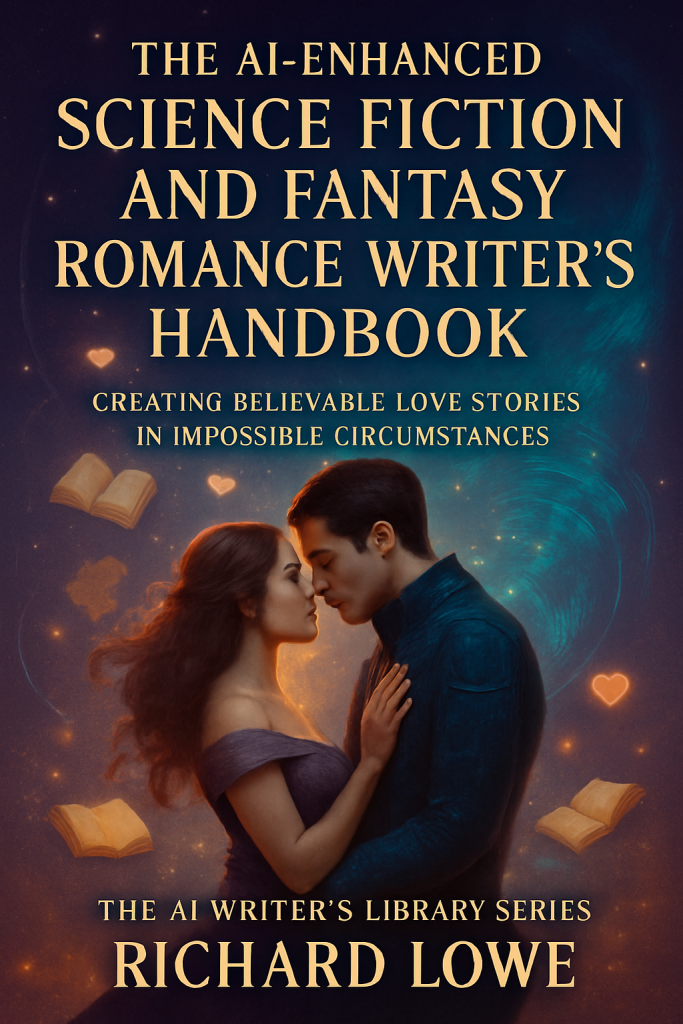
In 1968, Star Trek aired an episode called “Plato’s Stepchildren” that included the first interracial kiss on American network television. Kirk and Uhura. The network was terrified. NBC asked them to film an alternate version without the kiss. Nichelle Nichols and William Shatner deliberately flubbed every take of the alternate so it couldn’t be used. The kiss aired.
That same show, two years earlier, aired “Amok Time” — the episode where Spock, a being who has spent his entire adult life suppressing every emotion, is driven to the edge of madness by pon farr, a biological mating drive that cannot be controlled or reasoned with. He is humiliated by it. He tries to hide it. It nearly kills him. And in the moment when he believes he has killed Kirk — the person he values most — his control finally breaks and something genuine shows through for the first time.
That’s not window dressing. That’s impossible circumstances doing what only impossible circumstances can do — forcing a character into emotional territory he could never reach through ordinary means. The alien biology wasn’t decoration. It was the story. Remove the pon farr and you have nothing. Keep it and you have one of the most psychologically revealing moments in the entire run of the show.
Star Trek understood something that most speculative romance still gets wrong. The impossible elements aren’t there to make the story exotic. They’re there to create pressure that reveals truths about connection, desire, and the cost of denying them that contemporary settings can’t access. The Kirk-Uhura kiss wasn’t powerful because it was surprising. It was powerful because it happened on a starship, in a future where humanity had supposedly evolved past that particular ugliness, which made the fact that it still had to be fought for land with a force no present-day setting could replicate.
Most speculative romance slaps telepathy onto a billionaire love story or gives a vampire hero a motorcycle and calls it paranormal. The impossible elements are costume. Pull them off and you have the same romance underneath. The stories that last — Outlander, The Time Traveler’s Wife, Octavia Butler’s work — use impossible circumstances the way Star Trek used pon farr. The speculative element creates pressure that forces the relationship into territory it couldn’t reach any other way. Remove it and the story collapses. Keep it and the story illuminates something true about human connection that couldn’t be said any other way.
I’m Richard Lowe. 113 published books, a childhood spent watching Star Trek understand exactly what impossible circumstances are for, and decades of reading speculative fiction that taught me why some of it stays with readers forever while most of it evaporates. This handbook is built on the distinction Spock and Uhura and Kirk made visible before anyone had methodology for it.
$29.95
One-time investment • Lifetime access • Instant download
Get The Handbook →
14-Day Money-Back Guarantee
If this handbook doesn’t change how you approach speculative romance, request a full refund. No questions.
Five Speculative Romance Subgenres
Each subgenre uses impossible circumstances differently. Here’s what readers actually want.
Subgenre
Core Appeal
Psychology It Explores
Paranormal Romance
Supernatural lovers with inhuman powers
Immortality, predator instinct, otherness
Science Fiction Romance
Love across species, space, and time
Alien biology, cultural incompatibility
Fantasy Romance
Magic-infused relationship dynamics
Prophecy, curses, magical bonding
Time Travel Romance
Love that defies temporal boundaries
Fate vs. choice, aging disparities
Urban Fantasy
Magic in contemporary settings
Hidden worlds, dual identity, secrecy
Questions
What is the difference between speculative elements as decoration and speculative elements as psychology?
The test is simple: remove the impossible element and see what happens to the romance. If the story survives essentially intact, the speculative element was decoration. If the story collapses — because the relationship pressure that drove the characters together no longer exists, because the impossible choice at the center can no longer be made, because the emotional territory the story explored is no longer accessible — then the speculative element was doing real psychological work. Spock’s pon farr is not decoration. Remove it and “Amok Time” has nothing. The alien biology was the entire mechanism by which a character who suppresses all emotion was forced into emotional revelation. That’s what this handbook teaches you to build.
How do I write vampire romance that doesn’t feel like every other vampire romance?
Return to what immortality actually means psychologically and build your romance from there. Watching everyone you love age and die, over and over, across centuries — that creates specific wounds and specific defenses that should shape how your vampire approaches intimacy in ways no human character can replicate. The predator instinct should create genuine tension about trust and safety, not just be sexy. The ethics of turning a partner — essentially ending their human life to preserve the relationship — should be a real choice with real weight, not a convenient plot device. Most vampire romance uses the surface elements (fangs, strength, darkness) without using the psychology underneath. The psychology is where the interesting romance lives.
How do I use magic systems to create romantic obstacles rather than solve them?
Design your magic to cost something that matters to the relationship. A telepathy that makes lying impossible forces emotional exposure before characters are ready for it. A binding spell that connects two people against their will creates intimacy as violation before it can become intimacy as choice. A magical ability that activates through emotional vulnerability makes the character’s power contingent on the very openness they’re afraid of. Magic that solves problems — healing spells, protective wards, convenient revelations — removes pressure from the romance. Magic that creates problems, forces choices, and makes connection more complicated rather than easier serves the romance the way Spock’s pon farr served his.
How do I write alien romance without making the biology too convenient?
Resist the urge to make aliens human-compatible. Different sensory capabilities affect what intimacy means — a species that communicates chemically experiences connection differently than one that relies on visual cues, and that difference should create real negotiation rather than being glossed over. Different reproductive biology affects commitment and what partnership means. Different lifespans affect what “forever” means to each party. Cultural misunderstandings should create genuine obstacles that require genuine work to navigate, not sitcom confusion that resolves in a single conversation. The alien elements should make the relationship harder in specific, meaningful ways that illuminate something true about what human connection requires when stripped of its assumptions.
Why does time travel romance so often feel hollow?
Because most time travel romance uses the temporal mechanics as a plot device rather than a psychological one. Characters travel through time to meet each other conveniently, obstacles are created and resolved through temporal manipulation, and the fundamental question the premise raises — what does love mean when your relationship exists outside normal time — never gets asked. The Time Traveler’s Wife works because the time travel is genuinely destabilizing to the relationship in ways that can’t be resolved. Henry can’t control when he disappears. Clare has to build a life around absences that are random and unavoidable. The impossible circumstance creates pressure the romance has to survive, not a mechanism the romance can use. That’s the difference.
How do I balance world-building with romance without one overwhelming the other?
Every world-building element should either create romantic obstacles, illuminate character psychology, or enable emotional moments the contemporary setting couldn’t access. If your world-building doesn’t serve one of those three purposes in a given scene, it’s competing with the romance rather than serving it. Readers who say your supernatural elements feel like window dressing are telling you the world-building was decorative — impressive or interesting on its own terms but not doing the work of complicating the relationship at the center. The question to ask of every speculative element is not “is this internally consistent?” but “does this make the romance harder in a way that reveals something true?”
Refund policy?
14 days. If it doesn’t change how you approach speculative romance, full refund. No questions.
Nichelle Nichols and William Shatner flubbed every alternate take so the kiss would have to air. They understood what they were doing and they did it on purpose. The impossible setting — a starship, a future, a world that was supposed to have moved past all of this — made that moment land with a force no contemporary drama could have matched.
That’s what speculative romance is for. Not to decorate love stories with dragons and starships. To use impossible circumstances to say things about human connection that can’t be said any other way. This handbook teaches you to build toward that standard.
$29.95
One-time investment • Lifetime access • Instant download
Get The Handbook →
14-Day Money-Back Guarantee
If it doesn’t change how you approach speculative romance, request a full refund. No questions.
Part of the AI Writer’s Library Series. See also: Fantasy Writer’s Handbook | Genre Mastery Handbook