Watch the TV series Supernatural from the beginning and you can see a genre contract breaking in slow motion across fifteen seasons.
Season one is a clear promise: two brothers drive across America hunting monsters. Episodic, grounded, road-trip horror with genuine scares and real stakes. The contract is simple and the show honors it. Fans sign on for exactly what they’re getting.
Then the show escalates. The monster-of-the-week format gives way to mythology arcs. The brothers get pulled into preventing the apocalypse. That’s a bigger contract but still coherent — the audience stretches with it because the core relationship and the horror roots are still there. Still recognizable. Still delivering something close to what people originally signed up for.
Then it keeps going. Season after season, the show piles on more mythology, more cosmic stakes, more characters, more lore. And somewhere in there it produces a Scooby-Doo crossover episode. Sam and Dean Winchester, animated, solving a mystery with Scooby and the gang. The audience that showed up for two brothers hunting monsters in the dark sat watching a cartoon.
Nobody sat in a writers room and said “let’s break our genre contract today.” It happened gradually, each season pushing a little further from the original promise, each addition feeling defensible in isolation. By the time you get to the Scooby-Doo episode, the show has drifted so far from its original contract that the people who loved it in season one barely recognize what they’re watching.
That’s what genre contract violation looks like at scale. Not a single moment of failure but accumulated drift, each decision reasonable on its own, the sum of them a betrayal of the audience that made the show successful in the first place.
I wrote Zombies, Murder, and Death knowing exactly this problem. The book is a zombie story and a serial killer psychological descent and a horror story about a man who encounters Death as a literal entity. Three genre contracts in one story. Writing it forced me to answer the question Supernatural’s writers apparently never asked: which contract is primary, and does every decision serve it?
Genre isn’t a marketing label. It’s a promise about emotional experience. Every category your book sits in activates psychological needs readers bring before they read the first page. Break those promises gradually or all at once and readers feel betrayed without being able to say why. Honor them and the craft amplifies everything.
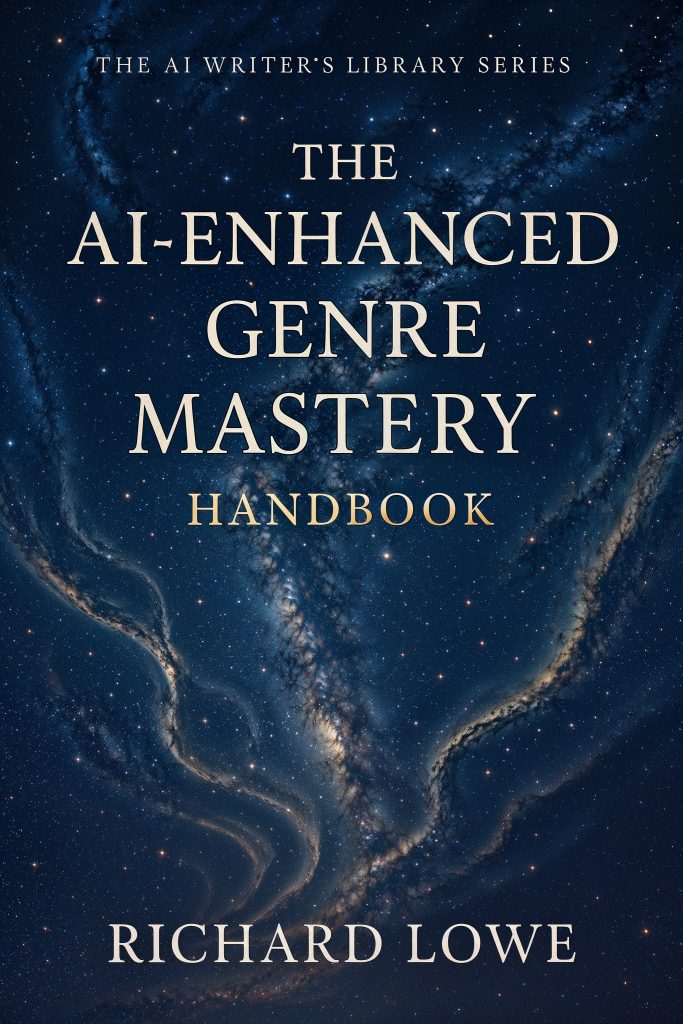
I’m Richard Lowe. 113 published books, ghostwriting clients who’ve secured over $30 million in venture capital, and enough hours watching genre contracts break in real time to understand exactly what goes wrong and why. This handbook is the system for getting it right.
$29.95
One-time investment • Lifetime access • Instant download
Get The Handbook →
14-Day Money-Back Guarantee
If this handbook doesn’t change how you understand genre reader psychology, request a full refund. No questions.
The Psychological Contracts Readers Expect
Every genre makes promises. Break them and readers punish you in reviews – even if they can’t articulate what went wrong.
Genre
Psychological Need
The Contract
Romance
Validation of capacity for connection
Genuine transformation; emotionally satisfying ending
Mystery
Proof of problem-solving ability
Fair play with clues; logical solution reader could have reached
Thriller
Controlled experience of danger
Genuine threat through character vulnerability; real stakes
Fantasy
Escape with internal logic
Consistent rules; magic that complicates rather than solves
Horror
Safe experience of authentic fear
Lasting dread, not cheap scares; fears that follow readers home
Literary
Profound emotional insight
Substance justifies slower pacing; style serves meaning
The handbook covers all 9 genres in depth – including YA, Historical Fiction, and Science Fiction – with specific guidance on what each audience needs and how to deliver it.
Questions
What is a genre contract and why does breaking it hurt even good writing?
A genre contract is the unspoken promise activated the moment a reader picks up a book in a specific category. Romance promises emotional satisfaction and relationship resolution. Mystery promises fair play with clues and a logical solution. Horror promises dread that follows readers after they close the book. These aren’t arbitrary conventions – they map to specific psychological needs readers bring to each genre. When technically excellent prose violates those contracts, readers feel betrayed without being able to say why. They write “I just couldn’t get into it” reviews. They didn’t connect with characters who were objectively well-crafted. The problem wasn’t the writing. It was the promise that got broken.
How do I figure out which genre contract is primary when I’m blending genres?
Ask which emotional need you’re primarily serving. In Zombies, Murder, and Death, the primary contract is horror – escalating psychological dread leading to catastrophic consequence. The serial killer elements serve that contract by building the dread from the inside out. The zombie elements deliver the payoff that horror promised. If I’d made the zombie action primary and the psychology secondary, I’d have a different book serving a different contract. Genre blending fails when writers don’t consciously choose which contract is primary – they end up satisfying neither audience because they’re violating both contracts simultaneously. Choose deliberately and the blend deepens both. Accidentally blend and readers from both genres feel cheated.
Why do romance readers need the happy ending even when it feels formulaic?
Because the happy ending isn’t a formula requirement – it’s the psychological payoff that validates the emotional investment. Romance readers invest more deeply in character relationships than any other genre audience. They experience the vulnerability, the hope, the setbacks, and the growth alongside the characters. The happy ending confirms that the investment was worth making – that genuine connection is possible, that love can survive obstacles, that the emotional risk paid off. Deny them that and you haven’t subverted a formula. You’ve invalidated everything they felt during the reading. Genre subversion that delivers a different kind of emotional satisfaction can work, but it requires understanding exactly what you’re replacing and why the replacement serves the same underlying need.
What’s the most common genre contract violation writers don’t notice?
Prioritizing plot mechanics over psychological authenticity. Mystery writers introduce killers in the final chapter who weren’t present earlier – technically a reveal, actually a cheat that denies readers the satisfaction of having missed something they could have caught. Thriller writers create external action without character vulnerability – technically dangerous situations, emotionally inert because readers don’t believe the protagonist can actually lose. Romance writers resolve the central conflict through external plot events rather than genuine character transformation – technically a happy ending, psychologically unsatisfying because the relationship problem wasn’t actually solved by either character growing. In each case the writer hit the structural beat and missed the psychological purpose underneath it.
How does horror psychology differ from thriller psychology?
Thriller readers want controlled danger – the experience of genuine threat from the safety of their reading chair, resolved before they close the book. Horror readers want dread that survives the ending – fear that follows them home, that makes them check the locks, that resurfaces days later when something triggers it. Thrillers resolve tension. Horror sustains it. A thriller that doesn’t resolve leaves readers frustrated. A horror story that resolves too cleanly violates the contract – the point was to leave readers unsettled, and a tidy ending undoes that. Karl’s story in Zombies, Murder, and Death works as horror specifically because the ending isn’t rescue. The man who caused the apocalypse becomes its first victim. The dread doesn’t resolve. It transforms.
How do I use AI to check whether I’ve honored my genre contract?
Prompt for contract analysis, not just craft feedback. “Does my ending deliver the emotional payoff this genre promises?” gets you more useful information than “Is my ending good?” Give AI the genre, the core promise you understood yourself to be making, and specific scenes you’re uncertain about. Ask whether a devoted reader of that specific genre would feel satisfied or cheated, and why. AI can identify pattern violations – places where you’ve hit the structural beat without the psychological purpose – more reliably than it can tell you whether your prose is good. Use it as a genre reader who has read everything in your category and knows exactly what those readers need.
Refund policy?
14 days. If it doesn’t change how you understand genre reader psychology, full refund. No questions.
Karl Hendricks wakes up at the end of his story as patient zero in the apocalypse he created. That ending works as horror because it honors the contract – dread that doesn’t resolve, consequence that’s final, a villain who gets exactly what he wanted and is destroyed by it. It works because I knew which contract was primary before I wrote the first page.
Every genre you write in activates promises you may not know you’re making. The readers know. They feel the violation even when they can’t name it. This handbook teaches you to make the promises deliberately – and keep them.
$29.95
One-time investment • Lifetime access • Instant download
Get The Handbook →
14-Day Money-Back Guarantee
If it doesn’t change how you understand genre reader psychology, request a full refund. No questions.
Part of the AI Writer’s Library Series. See also: Character Handbook | Dialogue Handbook