

What Readers Actually Buy
A romance reader doesn’t want a book about relationships. She wants to feel the flutter of falling in love without the risk of actual heartbreak. A thriller reader doesn’t want danger. He wants to feel his heart race from the safety of his couch. A literary fiction reader doesn’t want beautiful sentences. She wants to feel understood, to encounter her own interior life reflected on the page.
Genre isn’t about topic. Genre is about psychological need. Understand the need and you’ll write books readers devour. Miss it and you’ll write books that technically qualify but emotionally disappoint.
Readers don’t pay for words. They pay for feelings. The transaction looks like buying a book. The actual exchange is money for emotional experience — a specific emotional experience the reader has learned to trust this genre to deliver.
This explains why readers get furious about books that “break the rules.” They weren’t expecting rules. They were expecting feelings. You promised one feeling and delivered another. That’s not creative subversion. That’s bait and switch.
Genre loyalty exists because readers find reliable emotional suppliers. “I love thrillers” means “thrillers reliably give me the feeling I’m seeking.” Your job is to deliver that feeling, not to educate readers about what they should want instead. The Genre Mastery Handbook maps these expectations across every major genre so you never accidentally betray your readers.
Romance: The Safety of Surrender
Romance readers want to feel the intensity of falling in love without the vulnerability of actual risk. Real love is terrifying. You could get rejected. Betrayed. Abandoned. The person might not feel the same way. You might lose yourself.
Romance novels provide emotional intensity with guaranteed safety. The happy ending isn’t optional decoration. It’s the safety net that allows readers to fully surrender to the emotional experience.
The obstacles must feel real. The tension must feel unbearable. But underneath, readers trust they’re safe. That trust lets them feel things they’d guard against in real life.
Writers who think happy endings are “unrealistic” miss the point entirely. Romance isn’t simulation. It’s sanctuary. The Science Fiction and Fantasy Romance Handbook covers how to deliver romance beats while building speculative worlds that enhance rather than distract from the emotional core.
Thriller: Controlled Fear
Thriller readers want to feel adrenaline and fear without actual danger. Life is mostly mundane, safe, predictable. Some part of us craves the rush of survival stakes even though we’d never actually want to face them.
Thrillers provide danger tourism. We experience the racing heart, the desperate problem-solving, the relief of escape. Then we close the book and we’re still safe on our couch.
The key word is controlled. Readers want fear they can put down. They want danger with an exit. Too much bleakness, too much hopelessness, and the experience stops being enjoyable fear and becomes actual distress.
Stakes must escalate. The protagonist must be in over their head. But readers need to believe survival is possible, even if unlikely. Hope is the oxygen that lets fear be fun.
Mystery: The Pleasure of Pattern
Mystery readers want the satisfaction of solving puzzles. Human brains love patterns. Finding order in chaos feels good at a neurological level. Mystery novels are pattern-delivery systems disguised as crime stories.
The crime is almost secondary. What matters is the puzzle — clues that mean something, red herrings that distract, a solution that makes readers slap their foreheads because they should have seen it.
Fair play matters enormously. Readers want to be able to solve it themselves, even if they didn’t. Withholding crucial clues until the reveal isn’t surprising. It’s cheating. The detective can be smarter than the reader. The writer can’t be sneakier.
The solution should feel both surprising and inevitable. “I never saw that coming, but of course it had to be that way.” That’s the payoff mystery readers are chasing.
Horror: Safe Confrontation With Fear
Horror readers want to face their fears without actual consequences. We carry fears we can’t look at directly — death, loss, powerlessness, the randomness of suffering. Horror novels externalize these fears into monsters we can confront from safe distance.
The monster is never just a monster. It’s a symbol. The haunted house is unprocessed trauma. The zombie horde is societal collapse. The demon is the thing inside us we won’t acknowledge.
Horror readers want to be scared, but they also want to survive the scare. The catharsis comes from confrontation, from looking at the terrible thing and closing the book still intact.
Nihilistic horror that offers no possibility of survival or meaning isn’t scary. It’s depressing. Fear requires hope. Without hope, there’s nothing to threaten. The Horror Writer’s Handbook covers how to build dread that delivers catharsis rather than despair.
Literary Fiction: Being Understood
Literary fiction readers want to feel less alone in their interior experience. Most of life is internal — the running monologue, the contradictory feelings, the gap between who we present and who we are. This interior life is largely invisible, which makes it lonely.
Literary fiction validates interior experience. It says: your thoughts are worth examining. Your contradictions are interesting. The subtleties you notice matter.
Plot takes a back seat because the point isn’t what happens. The point is how it feels to be a conscious person navigating experience. Readers want depth, not action.
Voice matters enormously. Literary fiction readers are buying a mind to spend time with. If the consciousness on the page isn’t distinctive and interesting, the transaction fails regardless of what the story is “about.”
Fantasy: Meaningful Escape
Fantasy readers want to escape to a world where things make more sense than reality. Real life is chaotic. Bad things happen to good people. Effort doesn’t guarantee results. Power corrupts without consequence. The world lacks inherent meaning.
Fantasy worlds have rules that work. Magic has logic. Good and evil are distinguishable. Actions have proportionate consequences. The hero’s journey actually leads somewhere.
This isn’t childish wish-fulfillment. It’s meaning-making. Fantasy readers aren’t denying reality. They’re taking a vacation to a place where effort matters and courage counts.
Worldbuilding serves this need. The detailed magic system, the elaborate history, the constructed languages — these signal that this world has order. It can be understood. That understanding is the escape. The Fantasy Writer’s Handbook covers the genre-specific expectations readers bring, while the World Builder’s Handbook digs into creating systems that satisfy readers’ desire for meaningful order.
Science Fiction: Thinking Made Tangible
Science fiction readers want to explore ideas through story. Philosophy is abstract. Science fiction makes philosophy concrete. What happens if we can read minds? If we can live forever? If we meet alien intelligence? If technology outpaces ethics?
The ideas are the point. Plot exists to pressure-test concepts. Characters exist to embody different responses to the central question.
This doesn’t mean characters can be thin. It means their depth serves intellectual exploration. The protagonist’s emotional journey should illuminate the thematic question, not distract from it.
Hard science fiction readers want plausibility. Soft science fiction readers want resonance. Both want to think while they feel. The ratio varies. The combination doesn’t. The Science Fiction Writer’s Handbook covers the specific expectations science fiction readers bring to speculative premises.
Historical Fiction: Living in Another Time
Historical fiction readers want to experience eras they can never visit. The past is foreign. People thought differently, lived differently, died differently. Historical fiction provides time travel, letting readers inhabit worlds that no longer exist.
Accuracy matters because it enables immersion. Get the details wrong and readers who know better snap out of the dream. Get them right and readers feel genuinely transported.
But accuracy isn’t enough. Historical fiction must make the past feel alive, not like a museum exhibit. Characters must think and feel in ways appropriate to their era while remaining accessible to modern readers. This balance is delicate. Too modern and they feel anachronistic. Too period-accurate and they feel alien.
The past must feel both different and recognizable. Different enough to be worth visiting. Recognizable enough to care about. The Historical Writer’s Handbook covers how to research and render historical periods that satisfy readers hungry for authentic time travel.
Christian Fiction: Faith Under Pressure
Christian fiction readers want to see faith tested and validated through story. Faith is internal and often invisible. Christian fiction externalizes spiritual struggle, showing characters wrestling with doubt, temptation, and divine purpose in ways readers can witness and learn from.
The need isn’t for preachy messaging. It’s for stories where faith matters, where spiritual choices have weight, where characters’ relationships with God shape their decisions in meaningful ways.
Readers in this market want clean content and redemptive arcs, but they also want genuine craft. Shallow writing with Christian themes satisfies no one. Deep storytelling that honors faith creates devoted readers who return again and again.
The obstacles must genuinely threaten the protagonist’s faith or values. Easy resolutions feel like cheating. Hard-won spiritual victories feel like truth. The Christian Writer’s Handbook covers how to write faith-based fiction that respects readers while delivering compelling story.
Using This Knowledge
Before you write, identify the psychological need your genre serves. Before you publish, verify your book delivers that specific emotional experience. Before you market, speak to the need, not the plot.
Your book description shouldn’t summarize events. It should promise the feeling readers are seeking. “A heart-pounding thriller” speaks to need. “A detective investigates a murder” describes plot. One sells. One doesn’t.
Readers know what they want to feel. Show them you’ll deliver that feeling and they’ll buy. Describe what happens and they’ll scroll past.
Free Stories, Straight to Your Inbox
Start with Nine Doors, nine short stories across nine genres, yours free the moment you sign up. After that, the occasional new collection and a note when there's a new book worth your time. No spam, no daily clutter. Just good stories.
We use MailerLite to manage our list and send these emails. Your address is used only to send you what you signed up for. We will not sell it, share it, or use it for anything else, and you can unsubscribe anytime.
Frequently Asked Questions
Why do readers get angry when books don’t follow genre conventions?
Because they bought a feeling, not a book. Genre conventions exist to deliver specific emotional experiences. Breaking them doesn’t feel creative to readers. It feels like betrayal. They paid for one feeling and received another.
Can I write literary fiction with thriller pacing?
Yes, if you deliver both promises. Literary readers want interior depth. Thriller readers want momentum. You can provide both, but you must actually provide both. Calling something “literary thriller” doesn’t excuse skimping on either need.
How do I know what psychological need my book serves?
Ask what feeling readers will have when they close the book. Satisfied curiosity? Emotional catharsis? Restored hope? Validated interior life? Intellectual stimulation? The feeling points to the need. Match your marketing to that feeling.
Is it cynical to think about reader psychology this way?
No more than it’s cynical for a chef to know diners want to feel satisfied after a meal. Understanding what people need and providing it well is called craft. Ignoring what people need and hoping they’ll adjust is called arrogance.
The AI-Enhanced Writer’s Library
The AI-Enhanced Writer’s Library breaks down character, dialogue, pacing, and two dozen other craft elements the same way. Why things work, not just that they work. Psychology-based instruction with AI prompts built in. 35+ guides and counting.
-
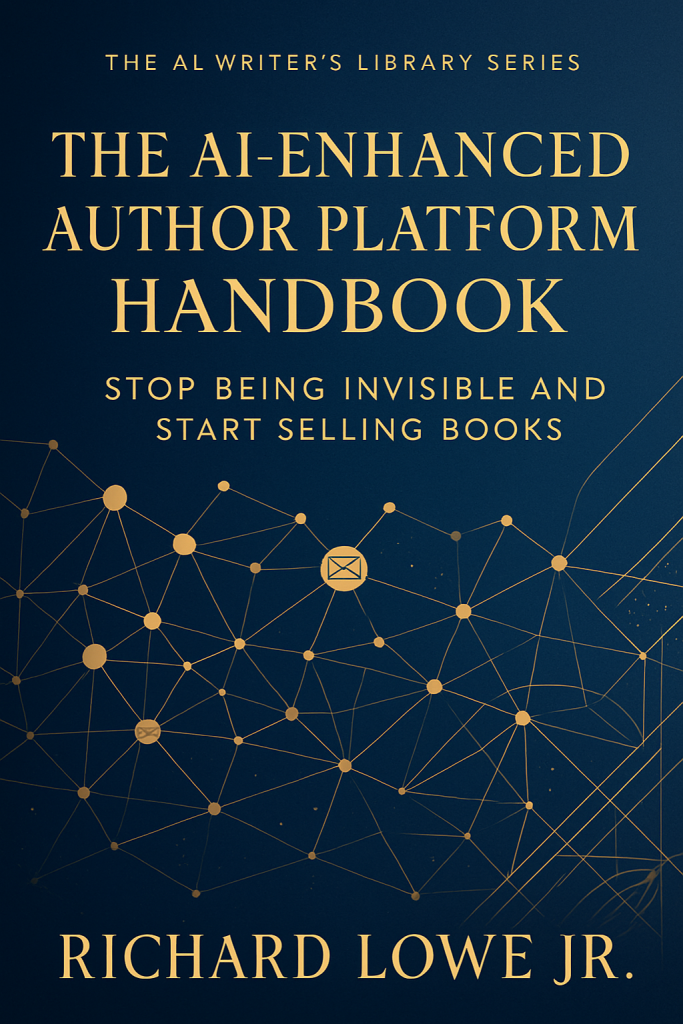
Author Platform Handbook
Author platform handbook: website, email list, Amazon optimization, social media strategy. 90-day implementation plan with AI prompts. From 113-book author. -
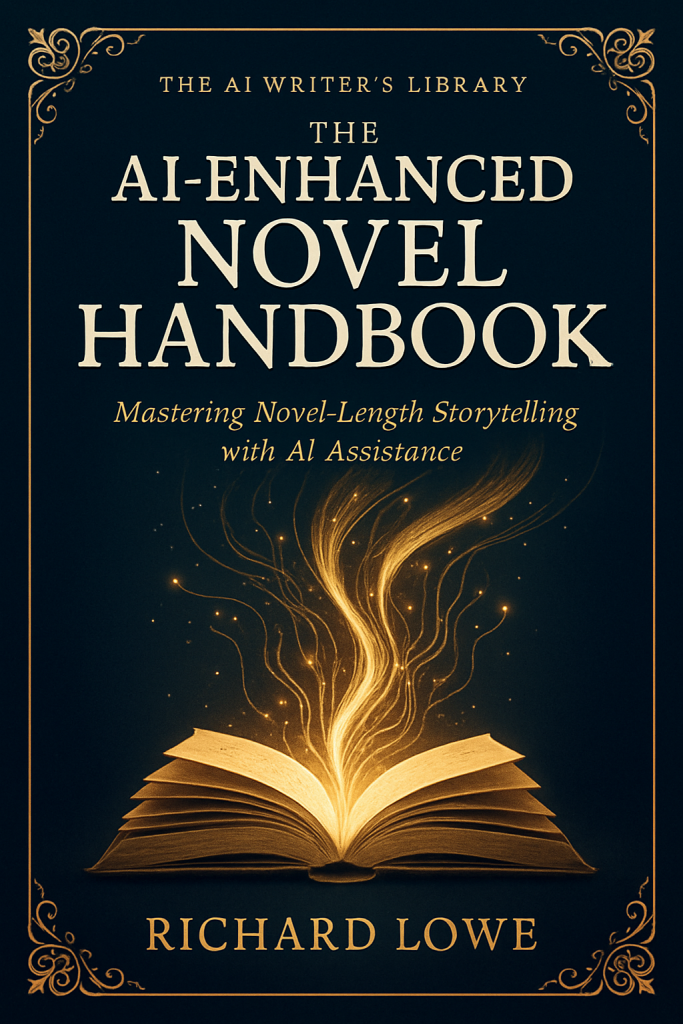
Novel Handbook
Novel-length fiction guide covering architecture, saggy middles, character drift, and series planning. 4 case studies. AI collaboration for 80,000+ words. 247 pages.