
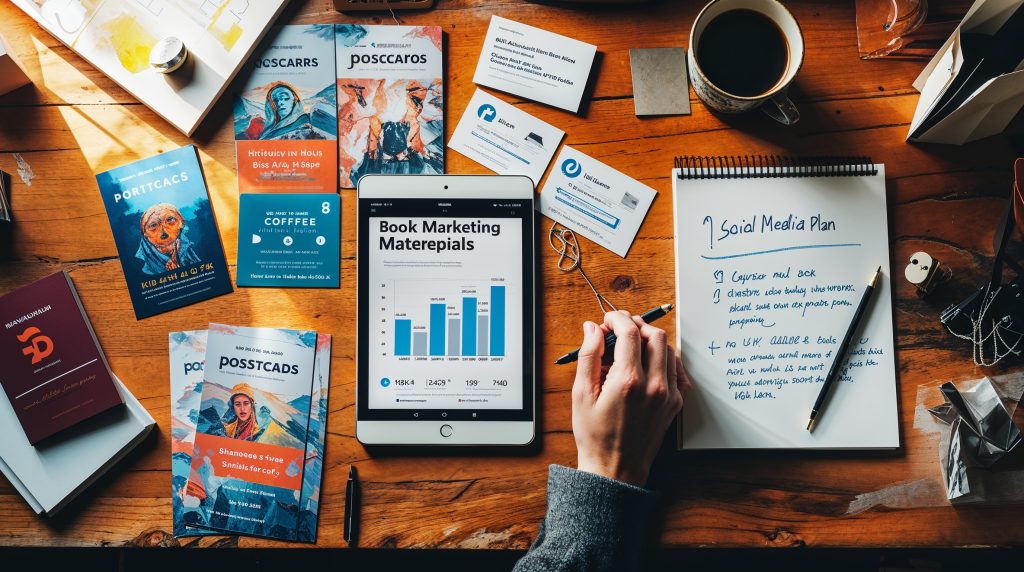
Why Your Book Isn’t Selling (And It’s Not Because It’s Bad)
You wrote a good book. You published it. You posted about it on social media. You told your family and friends. Sales trickled in for a week, then stopped. Now the book sits on Amazon with five reviews from people you know personally and no discoverability whatsoever.
The book isn’t the problem. The visibility is. Most authors fail at book promotion because they treat marketing as an afterthought — something you do after the book is done. By then, you’ve missed the window to build the audience that would have been waiting for the launch.
I’ve written 113+ books and promoted every one of them. The ones that sell consistently aren’t the best-written ones. They’re the ones backed by a system that connects them with readers who want them. Quality gets readers to finish the book and recommend it. Marketing gets the book into their hands in the first place.
The Author Platform: Building Before You Need It
An author platform is your direct connection to readers. Your email list. Your social media following. Your blog readership. Your newsletter subscribers. The people who will buy your next book because they bought and loved your last one.
The platform needs to exist before the book launches. Building a platform during launch week is like building a store on opening day. You need the infrastructure in place so that when the book drops, there are people waiting to buy it.
Email is the foundation. Social media platforms suppress creator content — even your followers don’t see your posts unless the algorithm decides to show them. An email list is yours. You control it. Every subscriber opted in because they want to hear from you. Open rates for author emails typically run 30-50 percent, compared to single-digit organic reach on most social platforms.
The Author Platform Handbook covers email list building, social media strategy, content calendars, and AI prompts for creating platform content efficiently. The focus is on owned channels rather than rented ones because platforms change their algorithms but your email list stays yours.
Lead Magnets: Getting Readers Onto Your Email List
Nobody gives you their email address because you asked nicely. They give it because you offered something valuable in exchange. That exchange offer is a lead magnet.
Effective lead magnets for fiction writers: a free short story or novella set in your series world. A deleted scene or alternate ending from a published book. A character backstory that expands the published work. A prequel that sets up the first book. Each option provides genuine value while introducing readers to your writing.
For nonfiction writers: a worksheet, checklist, or cheat sheet that delivers immediate value from the book’s topic. A condensed version of the book’s core framework. A quick-start guide that solves one specific problem the full book addresses.
The lead magnet must be genuinely good. If it’s throwaway content, the reader unsubscribes immediately and you’ve gained nothing. If it demonstrates the quality of your work, the reader stays subscribed and becomes a buyer.
The Lead Magnets Handbook covers lead magnet creation, delivery systems, email sequence design, and AI prompts for creating lead magnets that convert browsers into subscribers and subscribers into buyers.
Book Description: Your Most Important Marketing Asset
Your book description sells more copies than any other single piece of marketing. Most book descriptions don’t convert because they summarize the plot instead of selling the emotional experience.
A book description isn’t a synopsis. It’s a pitch. It tells the reader what emotional experience they’re going to have and why they should care. It introduces the character’s situation, raises the stakes, and ends with a question or tension that makes the reader need to know what happens.
The structure that works: start with a hook that grabs attention. Introduce the protagonist and their situation in two or three sentences. Escalate the stakes. End with the question the book answers, without answering it. The reader should feel compelled to buy the book to resolve the tension you’ve created in the description.
Write the description in the tone of the book. A thriller description should feel urgent. A romance description should feel emotional. A literary fiction description should feel layered. The description is a sample of the reading experience, not a neutral summary of the contents.
Social Media Strategy: Less Is More
Authors on six platforms doing everything poorly is worse than one platform done well. Pick the platform where your readers already exist. Romance readers are on Instagram and TikTok. Business nonfiction readers are on LinkedIn. Science fiction and fantasy readers are on Reddit and specific Facebook groups.
Content that works: behind-the-scenes process, not polished perfection. Readers want to see how the book happened, what you struggled with, and what you care about. They want personality, not professionalism. The author who shares their messy desk and their doubt is more compelling than the author who only posts cover reveals and buy links.
Content that doesn’t work: constant promotion. Every post being “buy my book” trains your audience to scroll past you. The ratio should be roughly 80 percent value and personality, 20 percent promotion. The value content builds the relationship. The promotional content harvests it.
Posting consistently on one platform produces better results than sporadic posting on five. Whatever schedule you can maintain for a year is the right schedule. If that’s three posts a week, do three posts a week. If it’s one a day, do one a day. Consistency matters more than frequency. For nonfiction authors especially, LinkedIn is often the right single platform — Focus on LinkedIn covers profile optimization and content strategy that builds authority with the professional readers most likely to buy nonfiction.
Amazon Optimization: Where Most Sales Actually Happen
Your Amazon listing is a storefront. Categories, keywords, description, cover, reviews, and pricing all affect discoverability and conversion. Most authors set these once during publishing and never optimize them.
Categories determine where your book appears in Amazon’s browse structure. You can be in up to ten categories. Pick categories where your book is competitive — not the broadest categories where you’ll be buried, but specific subcategories where your book can reach the top 20.
Keywords affect search visibility. Amazon gives you seven keyword slots with up to 50 characters each. Use them for phrases readers search for, not single words. “Space opera series completed” is more useful than “science fiction.”
Reviews drive purchases. Readers trust peer reviews more than descriptions, covers, or author credentials. Getting reviews requires asking for them — in your book’s back matter, in your email list, through your author platform. Early reviews during launch week affect Amazon’s algorithm more than reviews six months later.
The Book Promotion Handbook covers Amazon optimization, social media strategy, email marketing, launch planning, and AI prompts for creating promotional content that doesn’t sound like advertising.
Launch Strategy vs. Long-Term Marketing
Launch week gets attention. Long-term marketing builds a career. Most authors focus on launch and neglect the ongoing visibility that produces sustainable income.
Launch strategy: coordinate email list promotion, social media push, ARC (Advance Review Copy) distribution, and any paid promotion into a compressed window. The goal is to spike Amazon’s algorithm with concentrated sales and reviews during the first week.
Long-term marketing: consistent content creation, email nurturing, social media presence, and backlist promotion. Every new book you publish should sell copies of your previous books. Your email sequence should introduce new subscribers to your entire catalog. Your social media should rotate through backlist titles, not just the newest release.
The Book Promotion Course walks through both launch strategy and long-term marketing as an integrated system. Because a launch without long-term follow-through produces a spike and then silence, and long-term marketing without a strong launch misses the algorithm window that gives new books their best chance.
The AI-Enhanced Writer’s Library includes marketing alongside craft because writing a great book is only half the job. Getting it into readers’ hands is the other half.
Free Stories, Straight to Your Inbox
Start with Nine Doors, nine short stories across nine genres, yours free the moment you sign up. After that, the occasional new collection and a note when there's a new book worth your time. No spam, no daily clutter. Just good stories.
We use MailerLite to manage our list and send these emails. Your address is used only to send you what you signed up for. We will not sell it, share it, or use it for anything else, and you can unsubscribe anytime.
Frequently Asked Questions
How do I market a book with no existing audience?
Start with one platform where your target readers already gather. Create value-first content that demonstrates your expertise or personality. Build an email list using a lead magnet. Connect with other authors in your genre for cross-promotion. Focus on building relationships with readers before asking them to buy. The first book’s marketing is the hardest because you’re building the infrastructure that makes every subsequent launch easier.
Should I pay for book advertising?
Not until your organic marketing infrastructure is in place. Paid ads amplify an existing system. If your book description doesn’t convert, your cover doesn’t attract clicks, and your back matter doesn’t capture email addresses, paid advertising just sends money to Amazon and Facebook faster. Fix the fundamentals first, then test small ad budgets to see what produces positive return on investment.
How important are book reviews for sales?
Critical. Reviews provide social proof that reduces purchase hesitation. Books with fewer than 20 reviews face a visibility barrier on Amazon. Focus on getting honest reviews through ARC readers, your email list, and direct requests in your back matter. Early reviews during launch week influence Amazon’s algorithm more than reviews that arrive months later.
How do I write a book description that sells?
Write a pitch, not a synopsis. Open with a hook that identifies the reader’s emotional need. Introduce the protagonist and what they want. Introduce the obstacle or antagonist. End with unresolved tension — what’s at stake if they fail. Never reveal the ending. Match the description’s tone to the book’s genre. A thriller description should feel urgent. A romance description should feel emotionally charged. Read the descriptions of bestsellers in your genre and study the structure they use.
How do I get reviews for my first book?
Start before publication. Send Advance Review Copies to readers in your genre through your email list, social media, or ARC distribution services. Include a polite review request in your book’s back matter. Ask friends and family who actually read your genre — reviews from non-readers of your genre sound wrong and hurt more than they help. Target 20 reviews in the first month. After that, your email list and back matter requests sustain the flow. Never pay for reviews — Amazon detects and removes them.
-
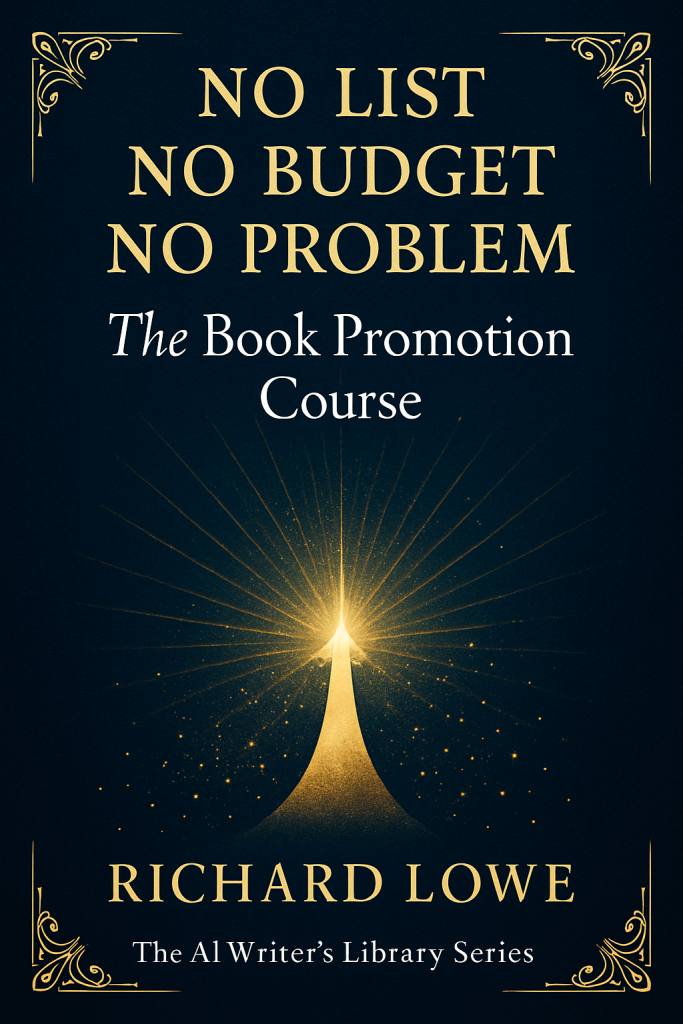
Book Promotion Course
No list, no budget, no problem. Complete 9-phase book marketing system from zero to sustainable sales. 351 pages, 78 lessons, AI prompts. From an author with 113+ books and 54+ ghostwritten books. -
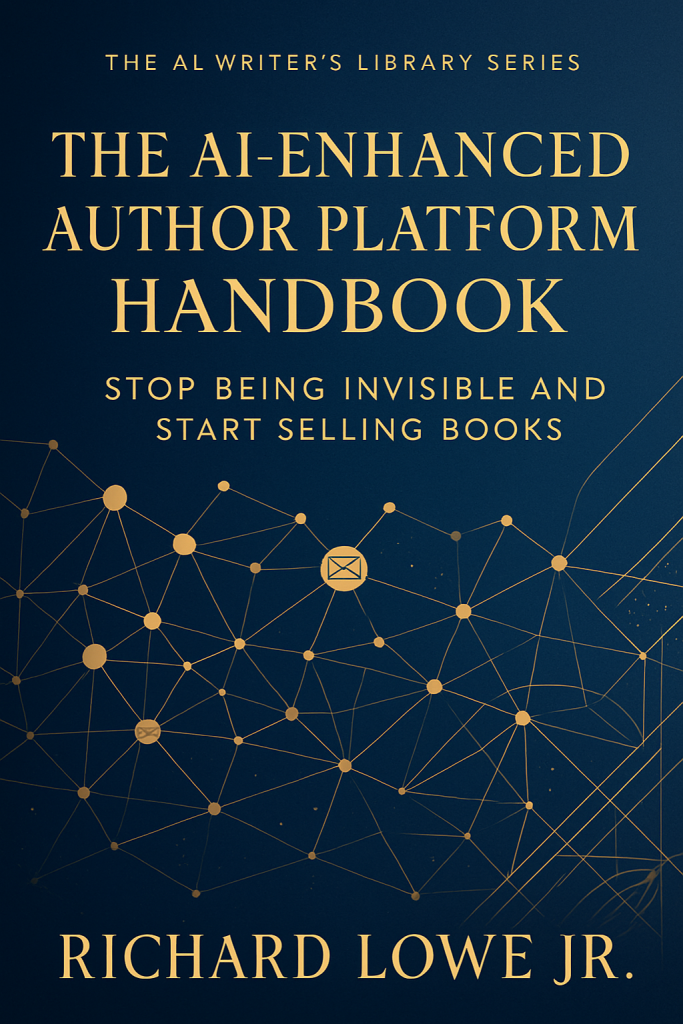
Author Platform Handbook
Author platform handbook: website, email list, Amazon optimization, social media strategy. 90-day implementation plan with AI prompts. From 113-book author. -
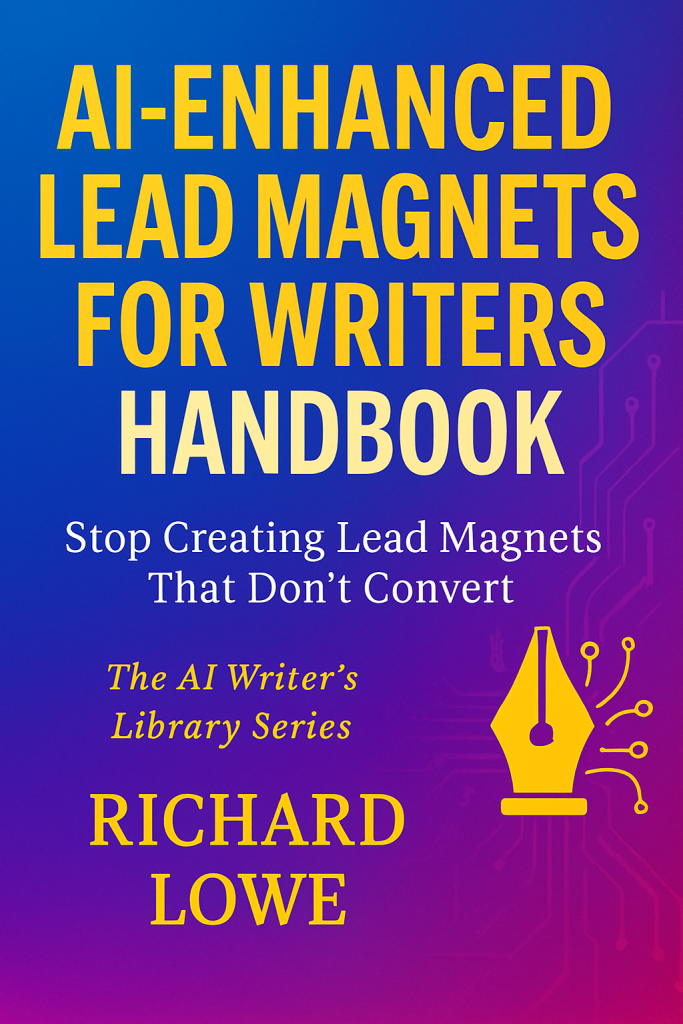
Lead Magnets for Writers Handbook
Psychology-first lead magnet guide for fiction and nonfiction authors. Stop building lists that never buy. Email platform comparisons included. 124 pages. -
Book Proposals Handbook
Query letters, synopses & book proposals for traditional publishing. Agent targeting, comp titles & 100+ AI prompts. 28 chapters from 113-book author.