

Why Substack Matters More Than Social Media for Writers
You posted on Instagram every day for six months. Your follower count grew slowly. Your actual reach — the number of followers who saw each post — sat around five percent. The platform showed your content to a fraction of the people who explicitly chose to follow you.
This is the fundamental problem with building your writing career on social media. You’re renting space on someone else’s platform, and the landlord controls who sees your work. Algorithm changes can cut your visibility overnight. Platform policy shifts can restrict your content. The audience you built on one platform doesn’t transfer to another.
Substack solves the visibility problem by putting your newsletter directly in subscribers’ email inboxes. No algorithm decides whether they see it. No platform takes a cut of your organic reach. Every subscriber gets every issue unless they’ve chosen otherwise.
I’ve written 113+ books and watched social media platforms systematically reduce creator visibility over the past decade. The writers building sustainable careers in 2026 are the ones who own their audience through email, and Substack is the most writer-friendly platform for doing it.
Setting Up a Substack That Attracts Subscribers
Your Substack needs a clear value proposition. What does the subscriber get that they can’t get anywhere else? “My thoughts about writing” isn’t a proposition. “Weekly craft breakdowns showing why published novels work, with techniques you can steal” is.
The name should signal content, not cleverness. Readers scrolling through Substack recommendations need to immediately understand what they’ll get. A title that describes the content outperforms a title that requires explanation.
Your about page does the heavy lifting. Write it as a pitch, not a biography. What problem do you solve for your reader? What unique perspective do you bring? Why should they trust you? End with a clear call to subscribe.
First issues matter disproportionately. New subscribers read your first two or three issues closely, then decide whether to stay. Front-load your best material. Demonstrate your value immediately. The subscriber who’s impressed by issue one shares it with other writers. The subscriber who’s bored by issue one unsubscribes and never comes back.
Content Strategy: What to Write and How Often
Consistency beats frequency. A weekly newsletter that arrives on the same day every week builds habit and expectation. A sporadic newsletter that publishes twice one week and then disappears for a month trains subscribers to ignore you.
Pick a frequency you can maintain for a year. Weekly is the standard for most writing newsletters. Biweekly works if your issues are substantial. Daily is unsustainable for most writers and produces subscriber fatigue.
Content that works for writing newsletters: craft analysis of published fiction (break down why a scene works), writing process transparency (show your actual workflow, including the ugly parts), specific technique tutorials, industry analysis with original perspective, and serialized fiction for fiction writers building readership.
Content that doesn’t work: generic writing tips recycled from every other writing newsletter, pure self-promotion for your books, content so short it feels like a tweet thread someone formatted as an email, and anything that reads like it was generated by AI without your editorial voice. Readers subscribed for you. Give them you.
Free vs. Paid: Structuring Your Tiers
Substack allows both free and paid subscriptions. The strategic question is what goes behind the paywall and what stays free.
Free content builds your audience. It’s discoverable, shareable, and demonstrates your value to potential paid subscribers. Gating all your content behind a paywall limits growth because new readers can’t sample your work.
Paid content monetizes your most engaged audience. These are readers who’ve already decided your free content is valuable enough to pay for more. Paid content should offer something the free content doesn’t: deeper analysis, personal essays, serialized fiction chapters, community access, or direct feedback opportunities.
The ratio that works for most writers: two to three free issues per month and one to two paid-only issues. The free issues maintain visibility and growth. The paid issues reward subscribers who want the premium experience.
Pricing depends on your audience and content depth. Most writing newsletters charge $5-10 per month or $50-100 per year. Annual subscriptions with a discount produce more stable revenue than monthly subscriptions.
The Substack Handbook covers platform setup, content strategy, subscriber growth, and AI prompts for creating newsletter content efficiently without sacrificing your voice.
Growing Your Subscriber Base
Substack’s built-in discovery features — recommendations, the Substack network, Notes — provide organic growth that standalone email platforms can’t match. When another Substack writer recommends your newsletter, their subscribers see it. This creates a network effect where writer-to-writer recommendations drive cross-pollination.
Recommendation swaps with other newsletters in your niche are the highest-ROI growth strategy on Substack. Find newsletters with similar audience sizes and complementary content. Recommend each other. Both audiences benefit from discovering relevant content, and both newsletters grow.
Cross-promotion from your existing platforms drives initial subscribers. Every social media bio should link to your Substack. Every book’s back matter should mention your newsletter. Every guest post, podcast appearance, or speaking engagement should include a call to subscribe. The book promotion infrastructure you build feeds subscribers to your newsletter, and the newsletter feeds readers to your books.
Guest posts on larger Substacks introduce you to established audiences. Offer to write a guest issue on a topic you’re uniquely qualified to cover. The host gets quality content. You get exposure to thousands of potential subscribers who are already newsletter readers.
Monetization Beyond Subscriptions
Paid subscriptions are one revenue stream. Substack also enables direct product sales through links in your newsletter. Promote your books, courses, and handbooks to an audience that already trusts your expertise.
A newsletter creates a natural sales funnel. Free issues demonstrate your knowledge. Paid issues deepen the relationship. Product links in both free and paid issues convert engaged readers into buyers. The reader who’s been getting value from your newsletter for six months is far more likely to buy your book than a stranger who finds it on Amazon.
Sponsorships become viable once your subscriber count and engagement rates are high enough. Brands in the writing tool, publishing service, and education space pay for access to writer audiences. Typical rates scale with subscriber count and open rates.
The Substack Monetization handbook covers pricing strategy, conversion optimization, product integration, and the metrics that determine when your newsletter is ready for each monetization tier.
Common Substack Mistakes Writers Make
Writing for other writers when your books are for readers. If your Substack covers writing craft but your novels are thrillers, your newsletter audience and your book audience don’t overlap. Align your newsletter content with the readers you want buying your books, or accept that the newsletter serves a different purpose than book sales.
Over-polishing to the point of losing personality. Newsletters work because they feel direct and personal. A newsletter that reads like a published essay loses the intimacy that makes the format work. Write it like you’re talking to someone you respect, not like you’re submitting to a literary journal.
Inconsistency. Disappearing for three weeks and then publishing four issues in a week signals that you’re unreliable. Subscribers need to trust that you’ll show up. If you need a break, tell them. An honest “taking two weeks off” email maintains more trust than unexplained silence.
Treating the newsletter as purely promotional. If every issue is “buy my book” in different words, subscribers leave. Deliver value in every issue. The promotion works because it’s embedded in content the reader already finds worthwhile.
Building a Long-Term Newsletter Strategy
Your Substack should serve your broader writing career, not exist in isolation. The newsletter feeds your book sales. Your books feed your newsletter growth. Your social media feeds both. Each element of your author platform should reinforce the others.
Plan content in quarterly arcs. If you’re launching a book in March, your January and February newsletters build anticipation. Your March newsletters support the launch. Your April newsletters ride the momentum. The content calendar should align with your publishing schedule so the newsletter does maximum promotional work without feeling promotional.
Archive your best issues as evergreen content on your Substack page. New subscribers often read through archives before deciding to stay. Strong archived content functions as a sample library that sells paid subscriptions long after the original publication date. If you’ve built a substantial archive, that content can become a book — The Blog-to-Book Blueprint covers the system for converting serialized content into a published book.
The AI-Enhanced Writer’s Library includes Substack-specific handbooks because newsletter publishing is now a core skill for independent authors, not an optional extra.
Free Stories, Straight to Your Inbox
Start with Nine Doors, nine short stories across nine genres, yours free the moment you sign up. After that, the occasional new collection and a note when there's a new book worth your time. No spam, no daily clutter. Just good stories.
We use MailerLite to manage our list and send these emails. Your address is used only to send you what you signed up for. We will not sell it, share it, or use it for anything else, and you can unsubscribe anytime.
Frequently Asked Questions
How many subscribers do I need before offering paid subscriptions?
There’s no magic number, but most successful conversions happen with at least 500 free subscribers. At that point, if your content is strong, a 5-10 percent paid conversion rate gives you 25-50 paying subscribers — enough to validate the model and generate meaningful revenue. Focus on growing free subscribers and demonstrating value before launching a paid tier.
How often should I publish my newsletter?
Weekly is the standard that balances consistency with sustainability. The frequency matters less than the reliability. A biweekly newsletter that arrives on schedule builds more trust than a daily newsletter that burns out after two months. Pick the pace you can maintain for a year and hold it.
Should I use Substack or a standalone email platform like ConvertKit?
Substack offers built-in discovery, recommendations, and a reader network that standalone platforms don’t have. Standalone platforms offer more design flexibility, automation, and integration options. If audience discovery is your priority, Substack’s network effect is valuable. If you already have a large list and need advanced segmentation and automation, a standalone platform may serve better. Many writers use both.
Is Substack free for writers?
Yes. Substack is free to use for both free and paid newsletters. Substack takes 10% of paid subscription revenue plus payment processing fees. You pay nothing until you earn something. This makes it zero-risk to start. The tradeoff is less customization than standalone platforms like ConvertKit or Mailchimp, and Substack owns the platform — if their policies change or they shut down, you need to migrate. Export your subscriber list regularly as a backup.
How do I grow my Substack from zero subscribers?
Start with everyone you already know — email contacts, social media followers, professional network. Post your first five to ten issues for free to build an archive new subscribers can browse. Use Substack’s recommendation feature to swap recommendations with writers in adjacent niches. Cross-post excerpts to social media with a link to the full issue. Guest post on established newsletters. Growth is slow at first and compounds over time. Most successful Substacks took six to twelve months to gain traction.
-

30-Day Substack Monetization Handbook
Turn Substack subscribers into revenue in 30 days. Products, services, three-tier audience model, day-by-day execution. Stop waiting. Start getting paid. -

Substack for Writers Handbook
Substack growth guide covering Notes algorithm, subscriber tactics, paid subscriptions & external revenue. Case studies from 14K+ subscriber writers. 136 pages. -
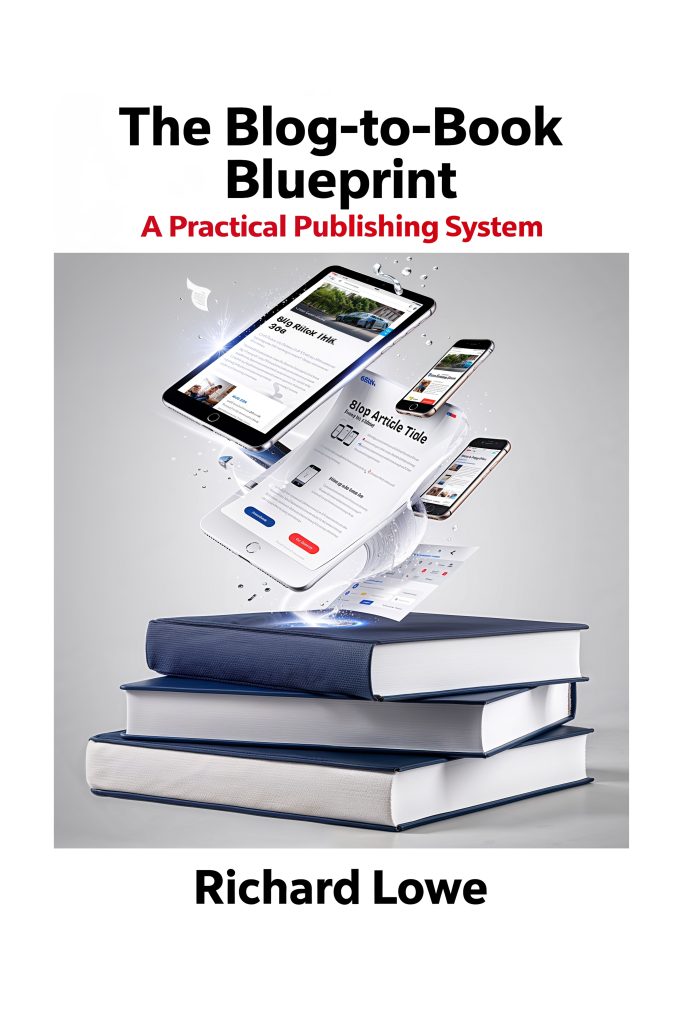
The Blog-to-Book Blueprint
Turn your blog archive into a published book. Complete system for converting blog content into authority-building books that generate real revenue. Practical, not theory.