

Why Good Books Die in Silence
Most authors finish their book and wait for readers to show up. The readers don’t show up. The author posts “buy my book” on Facebook a few times, gets sympathy likes from relatives, and watches their Amazon rank settle somewhere around 3 million. Then they blame the market, the algorithm, or the universe.
The market is fine. The algorithm does what algorithms do. The universe doesn’t care about your book. The problem is that nobody taught you how to connect your book with readers who want it.
I’ve published 113+ books. My ghostwriting clients have used their books to raise over $30 million in venture capital. I’ve watched authors with mediocre books outsell authors with brilliant ones, and the difference is never talent. It’s systems.
Amazon has over 15 million titles. Your book is one of them. Without a plan to get it in front of the right readers, it will sit there forever, buried under an avalanche of other books that also don’t have a plan.
Most authors make the same mistakes. They start promoting before they’ve built any foundation. They post about their book to people who were never going to buy it. They confuse activity with progress. Posting on Instagram every day feels like marketing. It isn’t marketing if nobody seeing those posts reads books in your genre.
The authors who sell consistently do something different. They build infrastructure before they start promoting. They show up where their readers already gather. They create trust before they ask for money. None of this is complicated. It just requires doing things in the right order.
The Foundation Nobody Builds
Before you promote a single thing, your Amazon listing needs to convert browsers into buyers. Your description, categories, keywords, and cover do heavy lifting 24 hours a day, or they do nothing at all. Most authors set these once during upload and never touch them again. That’s like opening a store, putting a blank sign out front, and wondering why nobody walks in.
Your categories determine who sees your book when they browse. Your keywords determine who finds it when they search. Your description determines whether they click “buy” or keep scrolling. Get these wrong and every promotional effort you make sends traffic to a listing that doesn’t convert. You’re pouring water into a bucket with no bottom.
Fix the listing first. Then start driving traffic to it.
The Only Audience You Own
Social media followers are rented attention. Facebook can change its algorithm tomorrow and cut your reach to zero. Instagram can bury your posts. TikTok can ban your account. You don’t own any of it.
Your email list is different. Those are people who gave you their address because they wanted to hear from you. No algorithm sits between you and your subscribers. When you send an email, it lands in their inbox. Open rates for author newsletters run between 20% and 40%. Social media post reach is often below 5%. If you’re weighing platforms, Substack gives writers more control than most alternatives.
Building a list from zero feels slow. It is slow. But an email list of 500 engaged readers will outsell a social media following of 10,000 every time. The math isn’t close.
A reader magnet gets you started. Offer something your target readers want, a bonus chapter, a prequel story, a resource guide, in exchange for their email address. Put the signup link everywhere: your book’s back matter, your website, your social profiles. Every reader who signs up is one more person you can reach directly when your next book drops.
Show Up Where Readers Gather
Your readers are already in communities talking about books like yours. Facebook groups, Reddit threads, Discord servers, Goodreads forums. They’re recommending books to each other right now. Your job is to be in those rooms.
Not selling. Being useful. Answering questions. Sharing what you know. Being the person whose name they recognize before they ever see your book cover. When you’ve been helpful in a community for weeks or months, your book recommendation carries weight. When you show up cold with a “check out my book” post, you get ignored or banned.
This is the part most authors skip because it doesn’t feel like marketing. It feels like wasting time in Facebook groups. But the trust you build in those communities converts to sales at a rate that paid advertising can’t touch.
Why Book Sales Alone Won’t Pay Your Bills
Median book sales tell a brutal story. Traditionally published books sell around 4,600 copies. Hybrid-published books sell about 1,600. Self-published books average 700. At typical royalty rates, those numbers won’t cover your editing costs.
The authors making real money from their books aren’t making it from royalties. They’re making it from what the book unlocks. Speaking fees, consulting clients, workshops, coaching programs, brand authority that commands premium pricing. Among business authors with books out for six months or more, 18% reported $250,000 or more in total income from their book projects. The book was the door. Everything profitable was on the other side.
This changes how you think about promotion. You’re not trying to sell 100,000 copies. You’re trying to get the book into the hands of the right 500 people, the ones who will hire you, book you, or refer you.
What a Zero-Budget System Looks Like
You don’t need money to market a book. You need a sequence of actions that build on each other in the right order.
Phase one is fixing your Amazon listing so it converts. Phase two is establishing your home base, your website, your social profiles, the places readers can find you. Phase three is building social proof through reviews, because a book with two reviews looks abandoned. Phase four is creating content that attracts readers to you instead of you chasing them. Phase five is showing up in communities. Phase six is collaborating with other authors to multiply your reach.
Each phase builds on the one before it. Skip a phase and the ones after it don’t work as well. Do them in order and they compound.
The whole system runs on three to five hours a week. That’s it. Not full-time marketing. Not quitting your day job. Just consistent, systematic effort applied to the right actions in the right sequence.
The Compounding Effect
Book marketing rewards patience. The email subscriber you get today might buy your next three books. The reviewer relationship you build this month might produce reviews for your next five releases. The community presence you establish this quarter might generate word-of-mouth recommendations for years.
Authors who quit after 90 days never see the compounding kick in. They declare that “marketing doesn’t work” right before the curve starts bending upward. The ones who stick with a consistent system for six months start seeing results that accelerate. A year in, the infrastructure they built works while they sleep.
That’s the goal. Not constant hustle. A system that sells books while you write the next one.
I built a complete course that walks through this entire process phase by phase, from zero to sustainable book sales. Nine phases, 78 lessons, AI prompts throughout, designed for authors with no list, no budget, and no prior marketing experience. You can find it here: Book Promotion Course: Zero-Budget Marketing System.
Free Stories, Straight to Your Inbox
Start with Nine Doors, nine short stories across nine genres, yours free the moment you sign up. After that, the occasional new collection and a note when there's a new book worth your time. No spam, no daily clutter. Just good stories.
We use MailerLite to manage our list and send these emails. Your address is used only to send you what you signed up for. We will not sell it, share it, or use it for anything else, and you can unsubscribe anytime.
Frequently Asked Questions
Can I really market a book with no budget?
Yes. The most effective book marketing activities cost nothing: optimizing your Amazon listing, building an email list, showing up in reader communities, creating useful content, and collaborating with other authors. Paid advertising can accelerate results, but it’s not required. Most authors waste money on ads before building the foundation that makes ads profitable.
How long does book marketing take each week?
Three to five hours per week for a sustainable practice. Launch periods require more. The key is consistency over intensity. Five hours a week for six months beats 40 hours in one week followed by nothing.
My book has been out for a year and hasn’t sold. Is it too late?
No. Most of the system works for backlist as well as new releases. You can optimize your existing listing, build an email list, establish community presence, and even relaunch a book that never got a proper launch. The only thing you can’t recapture is first-week momentum, and for most authors that wasn’t significant anyway.
Do I need a social media following to sell books?
A large following helps, but it’s not necessary and it’s not the most efficient path for most authors. An email list of 500 engaged readers will outsell 10,000 social media followers. Community presence in the right groups matters more than follower counts. Focus on reach within your target readership, not vanity metrics.
What’s the single most important thing I can do to sell more books?
Fix your Amazon listing. Your description, categories, and keywords determine whether Amazon’s algorithm shows your book to the right readers and whether those readers click “buy.” Most authors set these once and forget them. Optimizing your listing is free, takes a few hours, and improves every other marketing effort you make.
Does book promotion work differently for fiction and nonfiction?
The principles are the same. The tactics vary by genre. Romance readers gather in different places than business readers. Thriller readers respond to different content than literary fiction readers. The zero-budget system adapts to any genre because it’s built on reader psychology, not platform tricks.
Sources
Statistics on book sales by publishing path and author income from book projects from “A Comprehensive Study of Business Book ROI,” AuthorROI.com.
-
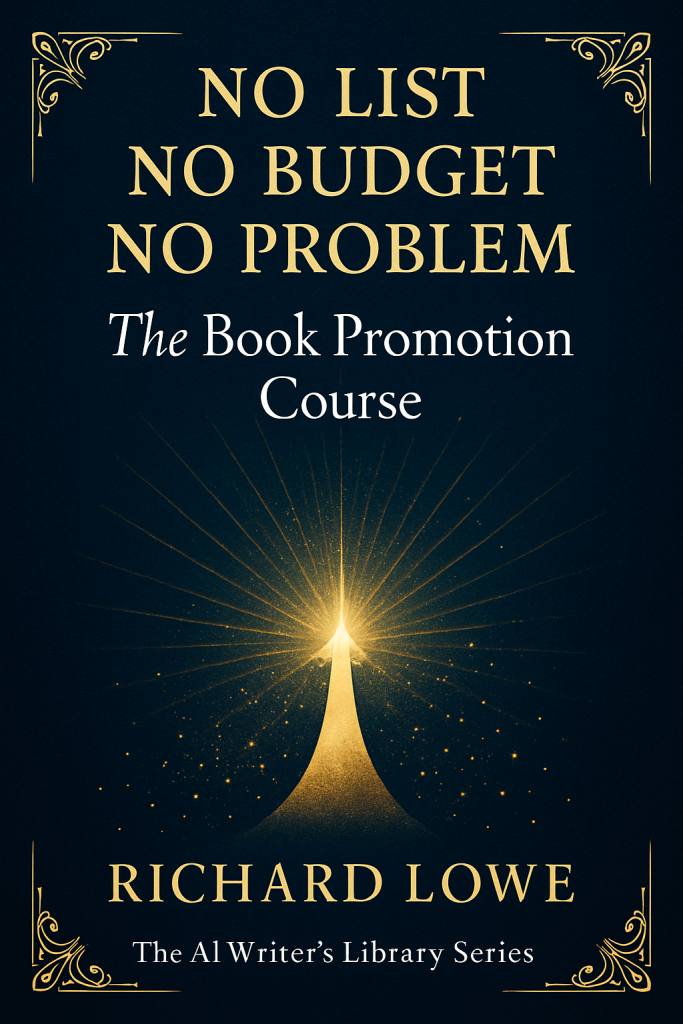
Book Promotion Course
No list, no budget, no problem. Complete 9-phase book marketing system from zero to sustainable sales. 351 pages, 78 lessons, AI prompts. From an author with 113+ books and 54+ ghostwritten books. -
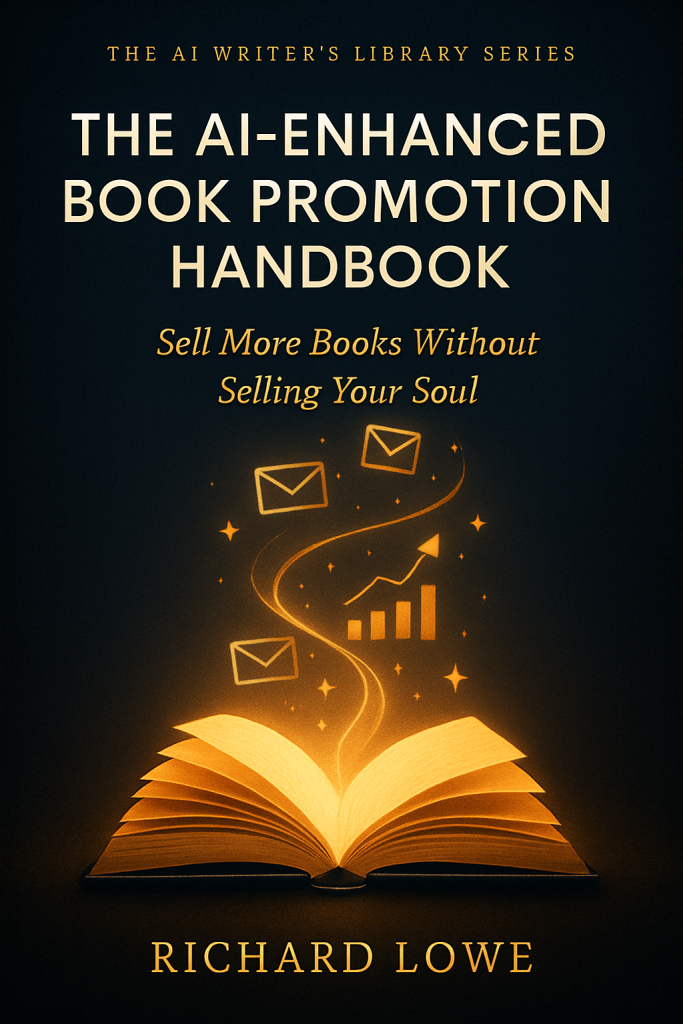
Book Promotion Handbook
Book promotion handbook: buyer psychology, Amazon optimization, email marketing, ads that convert. Stop chasing tactics, start understanding why readers buy. -

Substack for Writers Handbook
Substack growth guide covering Notes algorithm, subscriber tactics, paid subscriptions & external revenue. Case studies from 14K+ subscriber writers. 136 pages.