
Tag: Pacing
This tag collects the craft writing on pacing — understood not as how fast things happen but as emotional velocity, how quickly the reader’s internal state changes. It spans handbooks and articles on the structural causes of slow chapters, the difference between event and momentum, and why readers put books down even when the prose is fine. The collection grows as more craft material is added.
-
“Show Don’t Tell” Is Garbage Advice (Here’s What They Actually Mean)
"Show don't tell" isn't about adding description. It's about proving emotion through behavior instead of claiming it with adjectives. Here's the version nobody taught you. -

Your Dialogue Sounds Fake Because Everyone Agrees
Your characters talk. They share information. They cooperate. And the dialogue is dead. The fix isn't better lines. It's hidden agendas underneath every word. -

Backstory Is a Lie (What Actually Makes Characters Come Alive)
You filled out the character questionnaire. Documented three generations of family history. The character is still cardboard. Because backstory decorates character. It doesn't create it. -

The Writer Who Learned to Dance
A neurodivergent writer with 113+ books explains how photographing belly dancers revealed the secret to working with your brain instead of against it. -

Why Christian Fiction Characters Feel Flat (And How to Fix Them)
Christian readers can smell cardboard saints from chapter one. Real faith in fiction comes from psychology, not doctrine delivery. Here's how to write believers who feel true. -

You Don’t Need More Discipline. You Need to Trigger Hyperfocus
Willpower won't make you write. Hyperfocus will. After 113 books, here's how to set up the conditions that let your brain lock in and produce. -
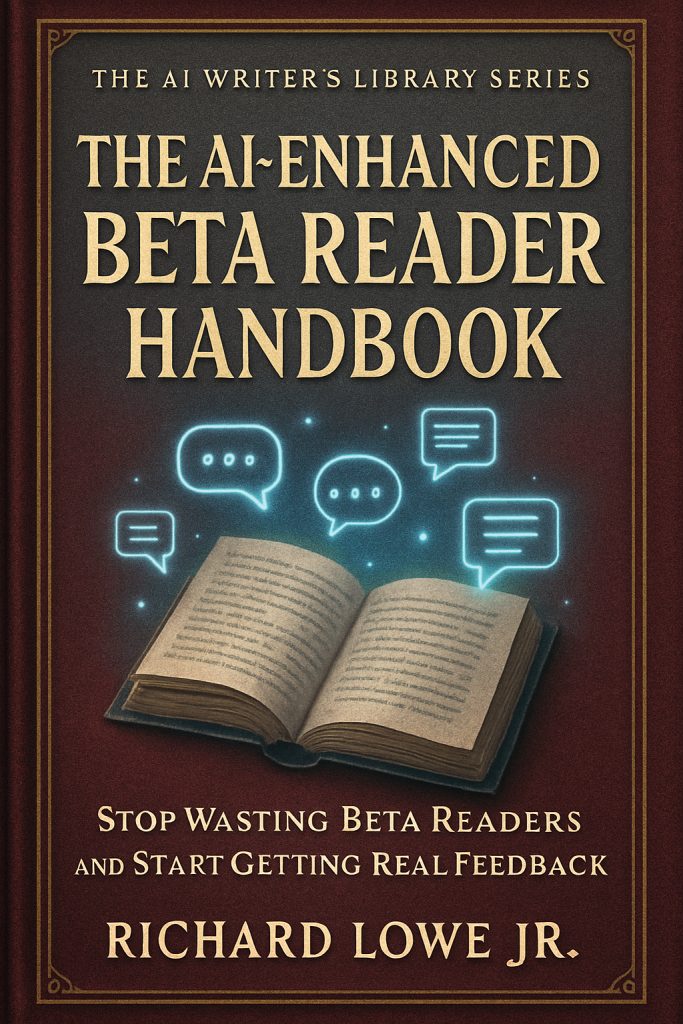
Beta Reader Handbook
Your beta readers say "I liked it" and you learn nothing. 270-page system for recruitment, questions, processing, and AI integration. From a 113-book author. -
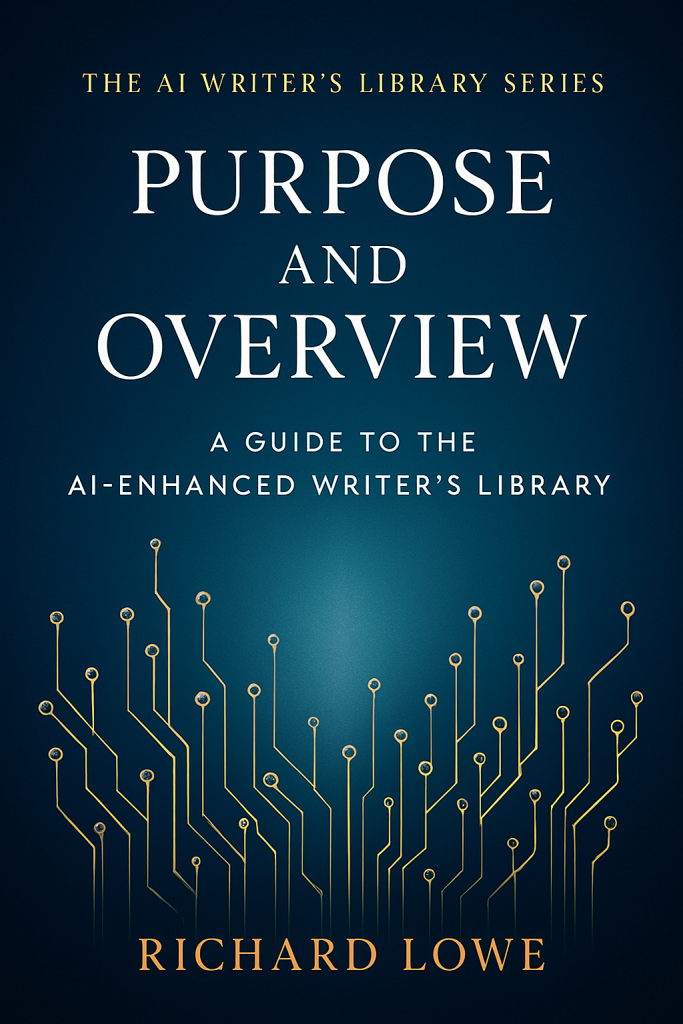
AI-Enhanced Series: Purpose and Overview
Free guide to the AI-Enhanced Writer's Library. All 31 handbooks organized by category with descriptions and links. Find what you need, skip what you don't. -
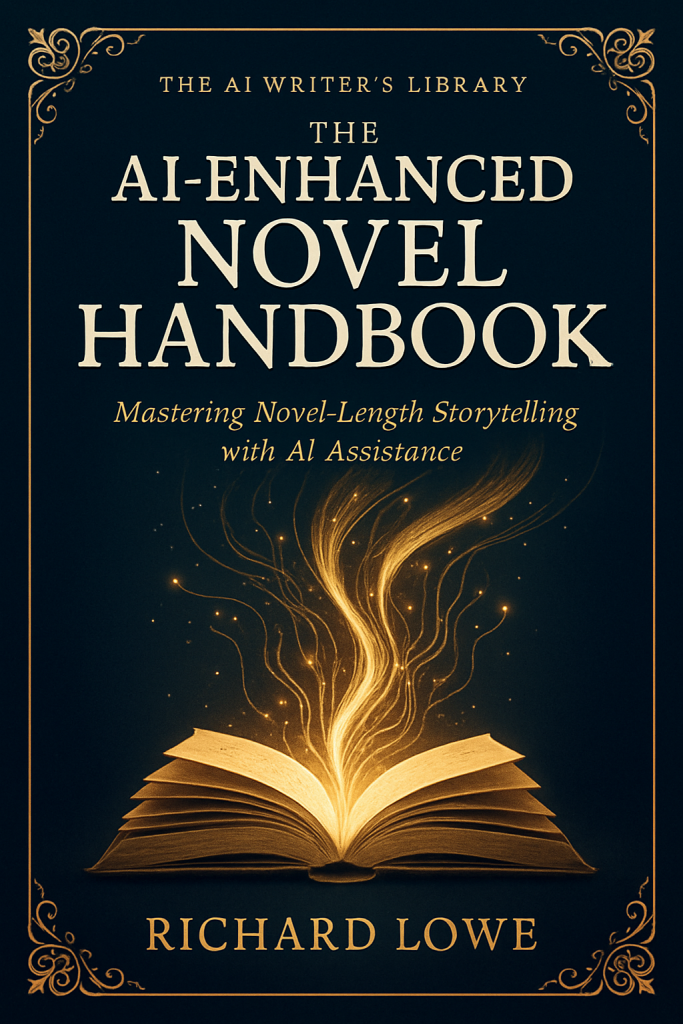
Novel Handbook
Novel-length fiction guide covering architecture, saggy middles, character drift, and series planning. 4 case studies. AI collaboration for 80,000+ words. 247 pages.