
Tag: Character Development
This tag gathers the craft writing on character at Master of Worlds — how fictional people are built so they feel real and drive a story. It spans handbooks and articles on protagonists, antagonists, character wounds and want, behavioral consistency, and the gap between who a character is and who they think they are. The throughline is that character is generated by psychology and desire, not assembled from profile sheets. The collection grows as more craft material is added.
-
Conflict, Tension, and Theme in Fiction
Strip the dialogue tags and nobody can tell who's talking. Fix flat dialogue with psychology-driven voice, subtext, and the POV choice that shapes your entire novel. -

Plot, Pacing, and Story Structure for Novelists
Strip the dialogue tags and nobody can tell who's talking. Fix flat dialogue with psychology-driven voice, subtext, and the POV choice that shapes your entire novel. -

Mastering Dialogue, Voice, and Point of View
Strip the dialogue tags and nobody can tell who's talking. Fix flat dialogue with psychology-driven voice, subtext, and the POV choice that shapes your entire novel. -

World Building and Dynamic Settings
Your world building is killing your story. Settings that create conflict, characters who are shaped by their environment, and the iceberg principle that prevents infodumps. -

How to Create Unforgettable Characters in Fiction
Your character has blue eyes, a tragic past, and zero reader investment. Psychology-first development using attachment theory, wounds, and defense mechanisms that generate conflict automatically. -

The Books I’d Bring to a Desert Island (And the Ones That Betrayed Me)
A grumpy rereader's guide to science fiction and fantasy. The books that hold up after 40 years, the teenage favorites that turned to trash, and what separates keepers from kindling. -

Your Characters All Sound Like You (And Readers Notice)
Your characters all went to the same finishing school. Speech pattern construction using vocabulary range, sentence length, filler words, and subtext gives each character a distinct voice readers recognize without tags. -
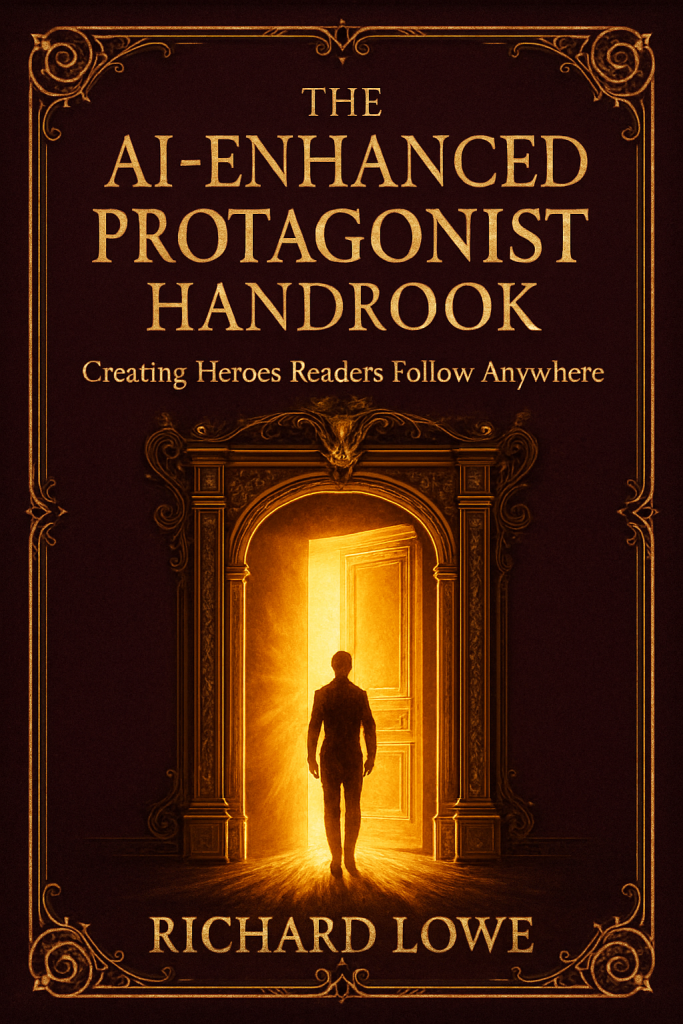
Protagonist Handbook
Stop writing heroes readers tolerate. 120-page handbook covers protagonist psychology, seven hero types, character arcs, and 40+ AI prompts. Case studies from Katniss to Walter White. From a 113-book author. -

Antagonist Handbook
Psychology-first villain development for romance, fantasy & thriller writers. 7 antagonist types, 40+ AI prompts, 5 case studies. 116 pages, $9.95. -
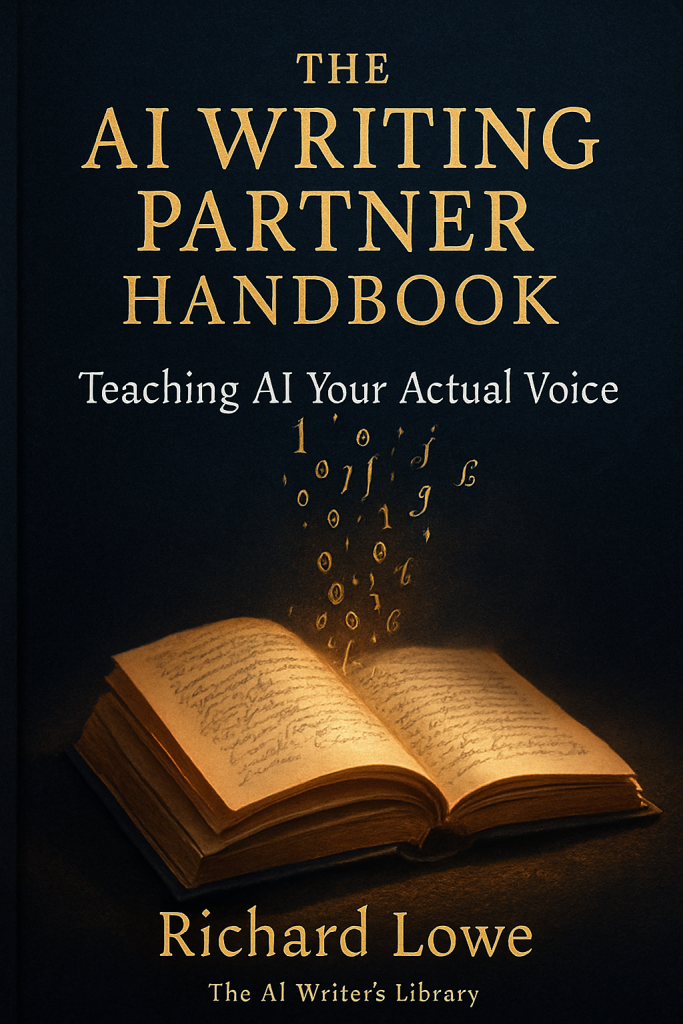
AI Writing Partner Handbook
Train AI to write in your voice. 50 robot patterns to catch, 40+ prompt templates, cleanup protocol. 15,000+ words from a 113-book author.