

Why Your Plot Feels Like a Series of Things That Happen
You’ve got scenes. Plenty of them. Characters moving through locations, having conversations, encountering obstacles. The problem is that none of it feels like a story. It reads like a sequence of events connected by chronology instead of causality.
A plot isn’t what happens. It’s what happens because of what happened before. Scene A causes Scene B, which forces Scene C, which makes Scene D inevitable. When you can remove a scene and nothing downstream changes, that scene isn’t part of the plot. It’s filler the reader will feel even if they can’t name it. (This is also why readers quit at chapter three — the causal chain breaks and the forward momentum dies.)
I’ve written 113+ books and ghostwritten memoirs where real-life events had to be shaped into narrative arcs. Even true stories need plot structure. A list of things that happened to someone isn’t a memoir. A chain of cause and effect that reveals who they became through what they survived — that’s a story.
The same principle applies to fiction. Every scene needs to answer two questions: what changed because of this scene, and what becomes impossible or inevitable because of that change?
Three-Act Structure and Why It Works (Even When You Hate It)
Three-act structure isn’t a formula. It’s a description of how stories naturally organize themselves when they work. Act One establishes the character and their world, then disrupts that world with an inciting incident. Act Two escalates complications and forces the character to adapt, fail, and adapt again. Act Three forces a final confrontation that resolves the central question.
Writers who reject three-act structure usually replace it with something that maps to the same pattern under different labels. The Hero’s Journey, Save the Cat, the Story Circle — they all describe a character who starts in one state, gets disrupted, struggles through escalating challenges, and arrives at a new state through crisis and resolution.
The structure exists because human brains process experience through narrative patterns. Setup, confrontation, resolution. Problem, escalation, outcome. Question, complication, answer. Fighting this pattern doesn’t make your story avant-garde. It makes it confusing. Readers feel the absence of structure even when they’ve never studied it.
The Plot Handbook covers three-act structure, the Hero’s Journey, and six alternative plot architectures with case studies showing how each one works in published fiction. 40+ AI prompts help you test your plot’s causal chain before you’ve committed to 90,000 words.
The Sagging Middle: Why Act Two Keeps Dying
Act Two is where novels go to die. The opening was exciting because everything was new. The ending will be exciting because everything converges. The middle is sixty percent of your book and it has to do the hardest work with the least structural support.
Most middles sag because the author runs out of complications. They had the inciting incident and they know the climax, but the space between is filled with the character trying things, failing, and trying again without escalation. Each attempt feels about as difficult as the last. The structural fix for a dying second act comes down to escalation mechanics.
Every complication in Act Two should be harder than the last, cost more than the last, and close off options the character had before. The net should tighten. Allies should become unavailable. The protagonist’s coping strategies should stop working. The midpoint — the scene at the center of your book — should change the character’s understanding of their situation so fundamentally that the second half of Act Two feels like a different kind of story than the first half.
If your middle feels flat, map your complications on a difficulty scale. If they’re all roughly equal, you’ve found the problem. Rearrange or replace them so each one makes the previous one look easy.
Pacing: Why Your Scenes Drag Even When They’re Short
Pacing isn’t about scene length. A two-page scene can drag. A twenty-page scene can fly. The difference is emotional velocity — how quickly the reader’s emotional state changes within the scene. (For a deeper diagnostic, the pacing problems nobody talks about gets into the specific mechanics most writers miss.)
A scene drags when the reader’s emotional state remains flat throughout. Nothing surprises them. No new information changes their understanding. No character decision raises stakes. The reader knows exactly where the scene is headed from the second paragraph and has to sit through confirmation of what they already predicted.
A scene flies when the reader’s emotional state shifts multiple times. They start worried, then feel relief, then hit a revelation that makes them more worried than before. The emotional trajectory of the scene is unpredictable even when the plot events are logical.
The practical fix is the scene-level turn. Every scene should turn — meaning the emotional value of the scene should be different at the end than at the beginning. A scene that starts positive and ends positive didn’t turn. A scene that starts tense and ends in betrayal turned hard. A scene that starts hopeful, turns tense, then resolves in unexpected alliance turned twice.
The Pacing Handbook covers scene-level pacing, chapter rhythm, act-level tempo, and the diagnostic test that reveals exactly where your manuscript stalls. AI prompts help you identify scenes that need turns and suggest where to add reversals.
Story Arcs: How Characters and Plot Interlock
The plot is what happens. The character arc is what changes internally because of what happens. When these two elements operate independently — plot events don’t connect to internal change, or internal change happens without plot pressure — the story feels hollow.
The strongest stories interlock these arcs so tightly that you can’t separate them. The plot puts pressure on exactly the character flaw that needs to break. The character’s flaw causes plot complications that wouldn’t exist if they were psychologically healthy. The resolution of the plot requires the character to change internally, and the internal change enables the plot resolution.
Walter White’s character arc drives the plot of Breaking Bad. His need to feel powerful creates every escalation. His refusal to stop creates every complication. The plot couldn’t happen to a different character because it’s generated by who he specifically is. That’s interlocking arcs.
A positive arc moves from flaw to growth. A negative arc moves from stability to destruction. A flat arc features a character who doesn’t change but changes the world around them by holding firm to their values. Each type generates different plot requirements and different reader expectations. The character development foundations you build — wounds, attachment styles, defense mechanisms — feed directly into how the arc unfolds.
The Story Arc Handbook covers positive, negative, and flat arcs with case studies showing how character psychology and plot structure create each other. AI prompts help you map your character’s internal journey against your external plot to find where they disconnect.
Scene and Sequel: The Rhythm Most Writers Don’t Know About
Every story alternates between two types of narrative units: scenes and sequels. A scene is an event — a character pursues a goal, encounters conflict, and hits a disaster or setback. A sequel is the reaction — the character processes what happened, considers options, and makes a decision that launches the next scene.
Scene: goal, conflict, disaster. Sequel: reaction, dilemma, decision. This cycle creates the natural rhythm of fiction. Action followed by reflection followed by action. The reader experiences tension during scenes and processes during sequels.
Most pacing problems come from disrupting this rhythm. Too many scenes in a row without sequels creates exhaustion — the reader never gets to breathe. Too many sequels without scenes creates stagnation — nothing is happening. The balance between them controls the tempo of your book.
Thrillers compress sequels to near-zero. The character processes the last disaster in a paragraph and launches into the next scene. Literary fiction expands sequels, sometimes dedicating entire chapters to a character processing a single event. Genre determines the ratio, but the pattern itself is universal.
How to Structure a Novel From Scratch
Start with the character’s wound and the lie they believe about themselves. This comes from your character development work. The wound generates the flaw. The flaw generates the lie. The lie determines what truth the character needs to discover, and that discovery is your climax.
Work backward from the climax. What’s the moment where the character faces their lie and either accepts the truth (positive arc) or rejects it (negative arc)? That’s your Act Three crisis point. What event forced them into a situation where they can no longer avoid confronting the lie? That’s your Act Two climax. What event first challenged their comfortable existence? That’s your inciting incident.
Now fill the space between these structural pillars with escalating complications that pressure the specific flaw your character carries. Each complication should test the lie. Each failure should be caused by the character’s refusal to let go of their false belief. Each success should come at a cost that makes the lie harder to maintain.
This method produces plots that feel inevitable because they grow from character rather than being imposed on character. The reader finishes the book feeling like it couldn’t have ended any other way.
The Novel Handbook covers full novel architecture from concept to completion, integrating plot, character arcs, pacing, and scene structure into a unified system. AI prompts walk you through each structural decision with your specific story.
Why Structure Serves Creativity Instead of Killing It
Structure isn’t a cage. It’s the skeleton that lets the body move. Without it, your story is a pile of scenes lying on the floor. With it, those same scenes stand up and walk.
The writers who claim to write without structure are usually writing with internalized structure. They’ve read enough stories and absorbed enough patterns that their instincts follow structural principles without conscious planning. That works — until it doesn’t. When their instincts produce a saggy middle or a climax that doesn’t land, they have no diagnostic tools because they never studied what they were doing intuitively.
Understanding structure gives you options. You can follow three-act structure. You can subvert it deliberately. You can use the Hero’s Journey for one subplot and a tragedy arc for another. You can write a flat-arc protagonist in a positive-arc world. But you need to know the rules before you can break them effectively.
The AI-Enhanced Writer’s Library covers every structural element through interconnected handbooks, so plot, pacing, character arcs, and scene structure reinforce each other instead of being learned in isolation.
Free Stories, Straight to Your Inbox
Start with Nine Doors, nine short stories across nine genres, yours free the moment you sign up. After that, the occasional new collection and a note when there's a new book worth your time. No spam, no daily clutter. Just good stories.
We use MailerLite to manage our list and send these emails. Your address is used only to send you what you signed up for. We will not sell it, share it, or use it for anything else, and you can unsubscribe anytime.
Frequently Asked Questions
How do I fix a sagging middle in my novel?
Map your Act Two complications on a difficulty scale. If they’re roughly equal in stakes and cost, that’s the problem. Each complication should be harder than the last, close off options, and make the character’s coping strategies stop working. The midpoint should fundamentally change the character’s understanding of their situation so the second half of Act Two escalates instead of repeating.
What’s the difference between plot and story arc?
Plot is what happens externally. Story arc is what changes internally. In strong fiction, these interlock: plot events pressure the character’s specific psychological flaw, and the character’s flaw generates plot complications. The resolution requires internal change to enable external resolution. When plot and arc operate independently, the story feels hollow.
Do I need to outline my novel before writing it?
You need structural pillars, not a detailed outline. Know your character’s wound, the lie they believe, the inciting incident, the midpoint shift, and the climax. Fill the space between with escalating complications. Some writers plan every scene in advance and others discover them while drafting, but both approaches need the pillars in place to avoid structural collapse in the middle.
What is the three-act structure in fiction?
Three-act structure divides a story into setup (Act 1, roughly 25%), confrontation (Act 2, roughly 50%), and resolution (Act 3, roughly 25%). Act 1 establishes the character and world, then an inciting incident disrupts the status quo. Act 2 escalates complications and raises stakes, with a midpoint that shifts the character’s approach. Act 3 builds to the climax and resolves the central conflict. The structure isn’t a formula — it’s the underlying architecture most compelling stories share.
How do I know if my pacing is too slow?
If you’re bored writing it, the reader will be bored reading it. More specifically: scenes where nothing changes emotionally from beginning to end are pacing problems. Passages where you’re explaining things the reader already knows are pacing problems. Any section where the character isn’t moving toward or away from their goal is a pacing problem. Read your manuscript and mark every point where your attention drifts — those are your pacing failures.
-
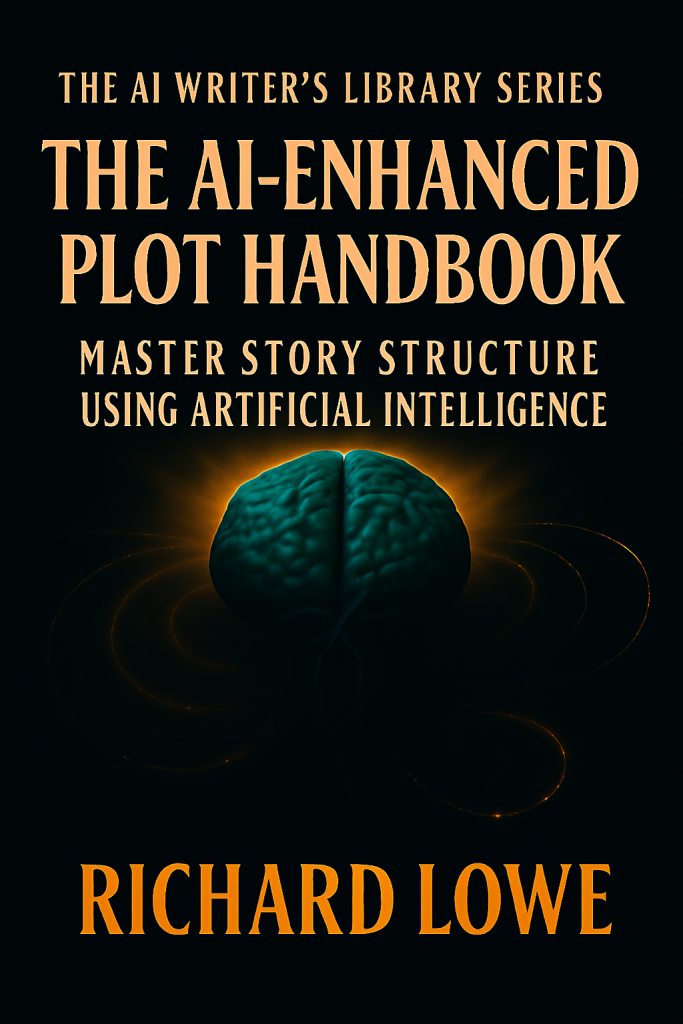
Plot Handbook
Psychology-first plot guide covering three-act structure, character-driven conflict, stakes, and twists. Breaking Bad & Marvel case studies. AI prompts. 158 pages. -
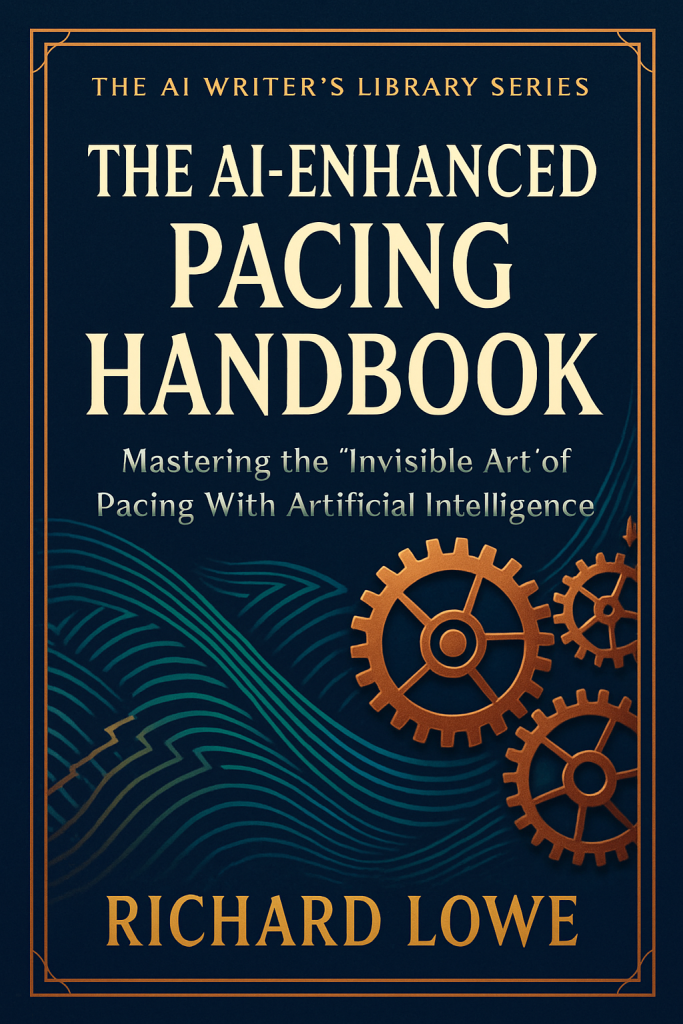
Pacing Handbook
Psychology-first pacing guide covering reader attention, scene mechanics, chapter architecture, and genre patterns. Case studies included. AI prompts. 127 pages. -

Story ARC Handbook
Psychology-first story structure guide covering opening hooks, rising action, midpoint crisis, and climax. Breaking Bad & Pride and Prejudice case studies. 192 pages. -
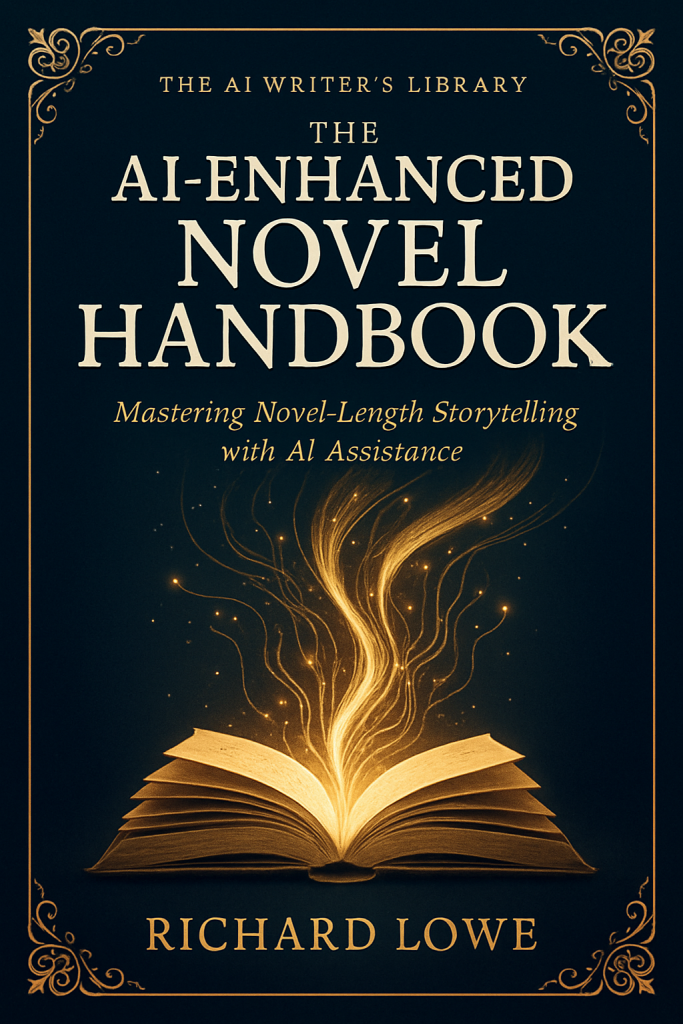
Novel Handbook
Novel-length fiction guide covering architecture, saggy middles, character drift, and series planning. 4 case studies. AI collaboration for 80,000+ words. 247 pages.