
Where the Energy Goes
The first act wrote itself. Momentum. Excitement. Characters jumping off the page.
Then you hit the middle and everything collapsed. Your protagonist wanders. Scenes exist but don’t connect. You’ve got 40,000 words of people talking in rooms, having realizations, preparing for things that never quite happen.
Most writers blame themselves. “Middles are just hard,” they say, and grind through on caffeine and stubbornness.
Middles aren’t hard. Middles without an engine are hard. The energy didn’t vanish. You never installed the thing that generates it.
What Act Two Actually Does
Most writers think the second act is where the protagonist chases their goal. Hunt the killer. Win the love interest. Save the kingdom. Keep chasing until it’s time for the climax.
That’s why their middles die. Pursuit alone doesn’t sustain a hundred pages. It sustains about thirty before the reader starts checking how many pages are left.
The second act is a crucible. Your protagonist walks in as one person and must walk out as someone fundamentally different. The detective who starts cynical becomes someone who believes again. The lover who starts guarded becomes someone capable of vulnerability. The hero who starts selfish becomes someone who can sacrifice.
That transformation is the engine. Every scene in your middle should push the character one step closer to it, resist it, or pay the cost of avoiding it. If your protagonist can stroll into the climax unchanged from who they were in chapter four, your second act has been running on fumes.
The Midpoint Mirror
Strong second acts pivot at the middle. Not with a twist. With a mirror.
At the midpoint, your protagonist glimpses who they need to become, or gets forced to confront who they’ve been pretending not to be. The strategies that carried them through the first half of Act Two stop working. The lie they’ve been telling themselves gets exposed in a way they can’t unsee.
In thrillers, this is often when the hunter becomes the hunted. The detective chasing clues discovers she’s been the target all along. In romance, it’s when walls come down involuntarily, a moment of genuine connection that terrifies the guarded heart. In literary fiction, it’s when the protagonist can no longer outrun the truth they’ve been dodging since page one.
Before the midpoint, your character can still retreat to who they were. After the midpoint, retreat means destruction. That’s the hinge that separates a middle with momentum from a middle that’s just filling pages. The Plot Handbook maps how this turn drives structure across different genres.
Internal Stakes Are the Ones That Matter
“Raise the stakes” is the default advice for sagging middles. So writers make bombs bigger, deadlines shorter, body counts higher. The tension still flatlines because the reader stopped caring around chapter twelve.
External escalation without internal escalation is noise.
The stakes that carry Act Two are psychological. Each obstacle should force your protagonist closer to the thing they fear most about themselves. Each failure should cost them something internal.
A detective whose partner gets kidnapped faces external stakes. A detective who realizes her obsession with the case caused the kidnapping, that her need to prove herself put someone she loves in danger, faces internal stakes. Same plot event. The second version lands harder because failure means facing who she is, not just what happens next.
Escalate the external all you want. The internal is what keeps readers turning pages through the long middle stretch.
Try-Fail Cycles That Don’t Bore People
Your protagonist tries something, fails, tries again, fails again, eventually succeeds in Act Three. Every craft book teaches this.
What they don’t teach is that failures which only delay success are just minor inconveniences wearing a dramatic mask. “The door was locked, so she tried the window” isn’t a try-fail cycle. It’s logistics.
Failures that work make the next attempt psychologically harder, not just logistically harder. The first attempt fails and costs an ally. Now the protagonist is more alone. The second attempt fails and exposes a weakness they were hiding. Now they’re more vulnerable. The third attempt fails and forces them to use methods they swore they’d never touch. Now they’ve compromised something they can’t get back.
Each failure narrows the path forward and raises the psychological price of continuing. By the time your protagonist reaches the climax, they should have nothing left except the choice: transform or be destroyed. That’s what makes a climax feel earned. The middle spent two hundred pages stripping away every option except the one the character fears most.
Subplots: Medicine or Poison
Writers feel the middle flagging and throw in a new thread, hoping complexity will create interest. It usually creates clutter.
A subplot only earns its space if it pressures the same internal conflict your main plot is working on. If your protagonist is learning to trust, the subplot should test trust from a different angle. If your protagonist is learning to let go, the subplot should tempt them to hold tighter in a new context.
A romance where the protagonist fears commitment doesn’t need a subplot about her startup business unless the startup forces commitment decisions that mirror her relationship. A thriller where the detective hides from his past doesn’t need a subplot about his daughter’s soccer games unless the daughter triggers exactly the memories he’s been avoiding.
Subplots that don’t pressure the wound are dead weight. They feel like channel-surfing in the middle of your story. Connect them to the internal engine or cut them. The Pacing Handbook covers how to weave subplot threads without bleeding momentum.
The Scene-Level Test
Open your sagging middle. Pick any scene that feels slow.
Ask one question: how is my protagonist internally different at the end of this scene than at the beginning?
Not different circumstances. Different inside. Do they know something about themselves they didn’t know? Have they lost a protection they were relying on? Have they been shoved one step closer to the choice they’ve been avoiding?
If nothing internal shifted, the scene is stalling your book. It might have great dialogue. Beautiful description. Fascinating backstory. None of that matters if the character exits the same person who entered. Scenes that don’t transform are scenes that teach the reader to skim.
Run this test on every scene in your second act. The ones that fail it are your sagging middle. Cut them, combine them, or rebuild them around an internal shift. Do that, and the middle comes alive, because now every scene is doing the one job that matters: changing who your character is, one degree at a time, until they become someone capable of facing your climax.
Free Stories, Straight to Your Inbox
Start with Nine Doors, nine short stories across nine genres, yours free the moment you sign up. After that, the occasional new collection and a note when there's a new book worth your time. No spam, no daily clutter. Just good stories.
We use MailerLite to manage our list and send these emails. Your address is used only to send you what you signed up for. We will not sell it, share it, or use it for anything else, and you can unsubscribe anytime.
FAQ
Why does my novel always lose steam in the middle?
Because the middle needs a transformation engine, not just a plot to follow. Your protagonist should be a different person at the end of Act Two than they were at the beginning. If they can reach the climax unchanged, the middle has no purpose and the reader feels it. Every scene should push, resist, or pay the cost of internal change.
What should the midpoint of my novel do?
It should make retreat impossible. Before the midpoint, your character can still go back to who they were. After it, something has been seen or lost or broken that closes that door. The midpoint separates the half of Act Two where your character can still avoid transformation from the half where avoidance means destruction.
My try-fail cycles feel repetitive. What am I doing wrong?
Your failures are probably logistical, not psychological. The plan didn’t work so they tried another plan is repetitive because nothing internal changed. Each failure needs to cost something that makes the next attempt harder on a personal level: lost allies, exposed weaknesses, compromised values. The path narrows with each failure until only transformation remains.
Should I add subplots to fix a slow middle?
Only if they pressure the same internal wound your main plot targets. A subplot that explores a different theme or conflict just splits the reader’s attention. Every subplot should test your protagonist’s core flaw from a new direction. If it doesn’t connect to the transformation engine, it’s clutter.
The AI-Enhanced Writer’s Library
The AI-Enhanced Writer’s Library breaks down character, dialogue, pacing, and two dozen other craft elements the same way. Why things work, not just that they work. Psychology-based instruction with AI prompts built in. 35+ guides and counting.
-

Story ARC Handbook
Psychology-first story structure guide covering opening hooks, rising action, midpoint crisis, and climax. Breaking Bad & Pride and Prejudice case studies. 192 pages. -
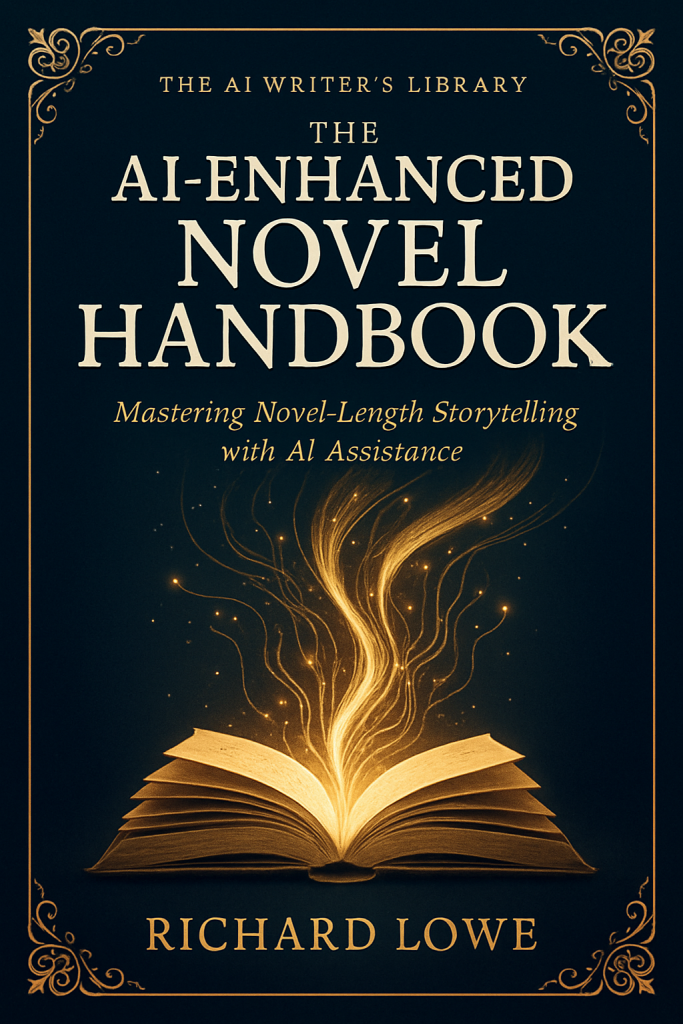
Novel Handbook
Novel-length fiction guide covering architecture, saggy middles, character drift, and series planning. 4 case studies. AI collaboration for 80,000+ words. 247 pages. -
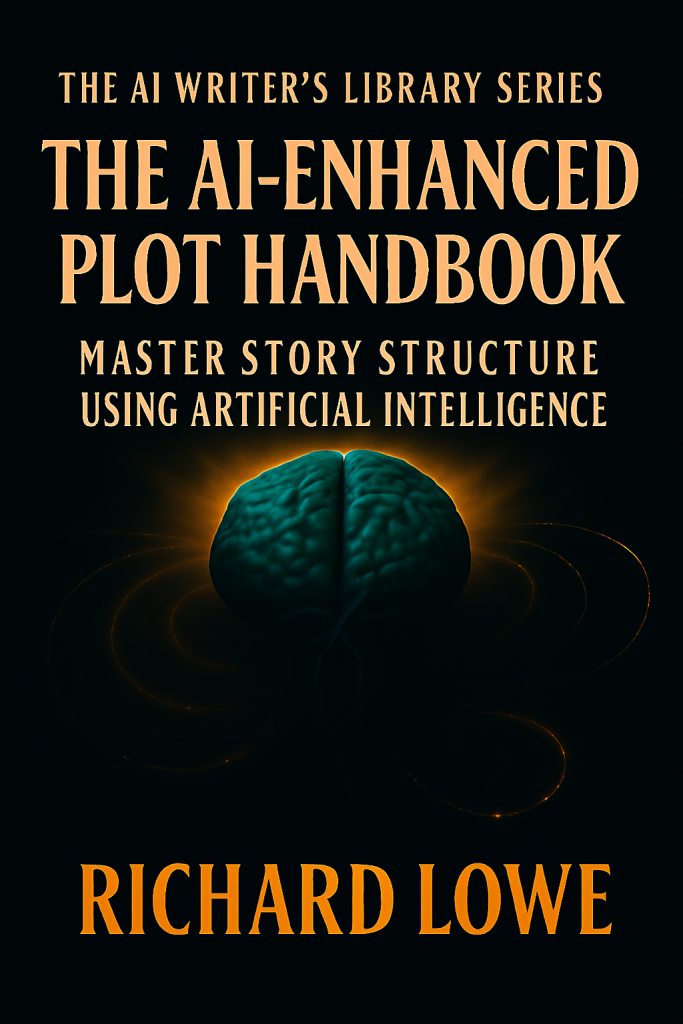
Plot Handbook
Psychology-first plot guide covering three-act structure, character-driven conflict, stakes, and twists. Breaking Bad & Marvel case studies. AI prompts. 158 pages. -
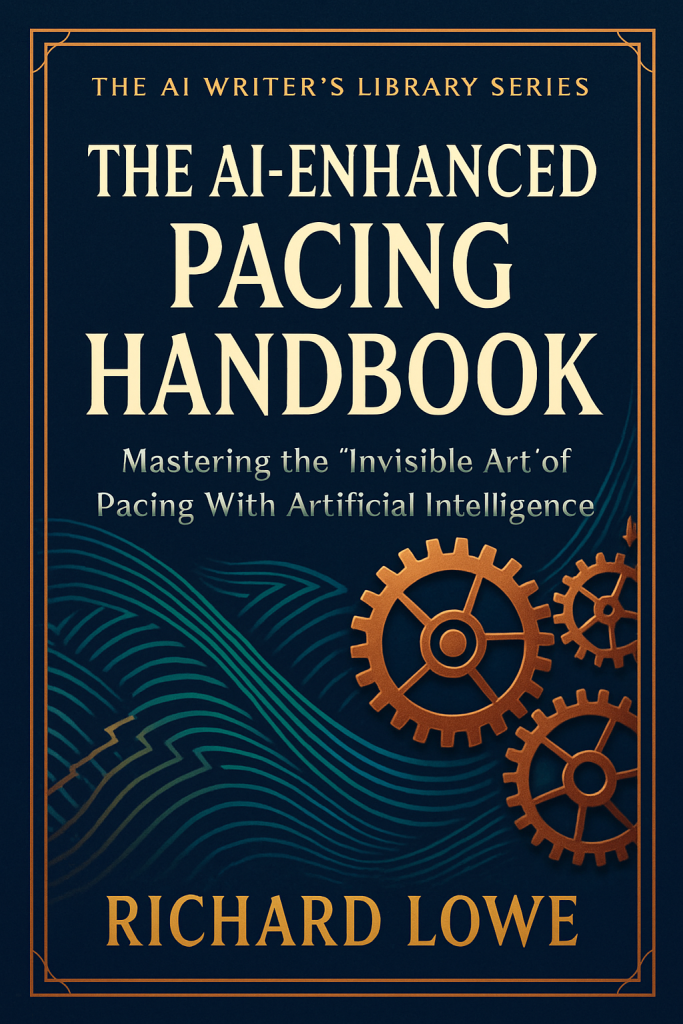
Pacing Handbook
Psychology-first pacing guide covering reader attention, scene mechanics, chapter architecture, and genre patterns. Case studies included. AI prompts. 127 pages.