
Tag: Character Development
This tag gathers the craft writing on character at Master of Worlds — how fictional people are built so they feel real and drive a story. It spans handbooks and articles on protagonists, antagonists, character wounds and want, behavioral consistency, and the gap between who a character is and who they think they are. The throughline is that character is generated by psychology and desire, not assembled from profile sheets. The collection grows as more craft material is added.
-
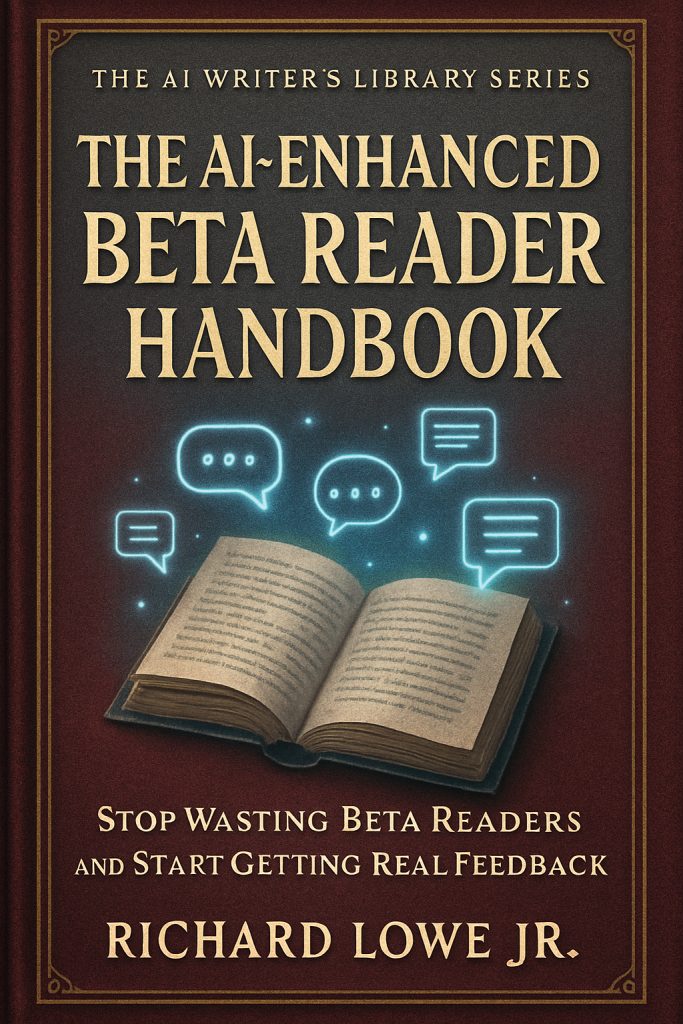
Beta Reader Handbook
Your beta readers say "I liked it" and you learn nothing. 270-page system for recruitment, questions, processing, and AI integration. From a 113-book author. -

AI-Enhanced Series: AI Shortcomings
Free guide to AI failure modes. Hallucinations, context drift, AI language patterns, the cleanup checklist, and using Claude to catch Claude's mistakes. -
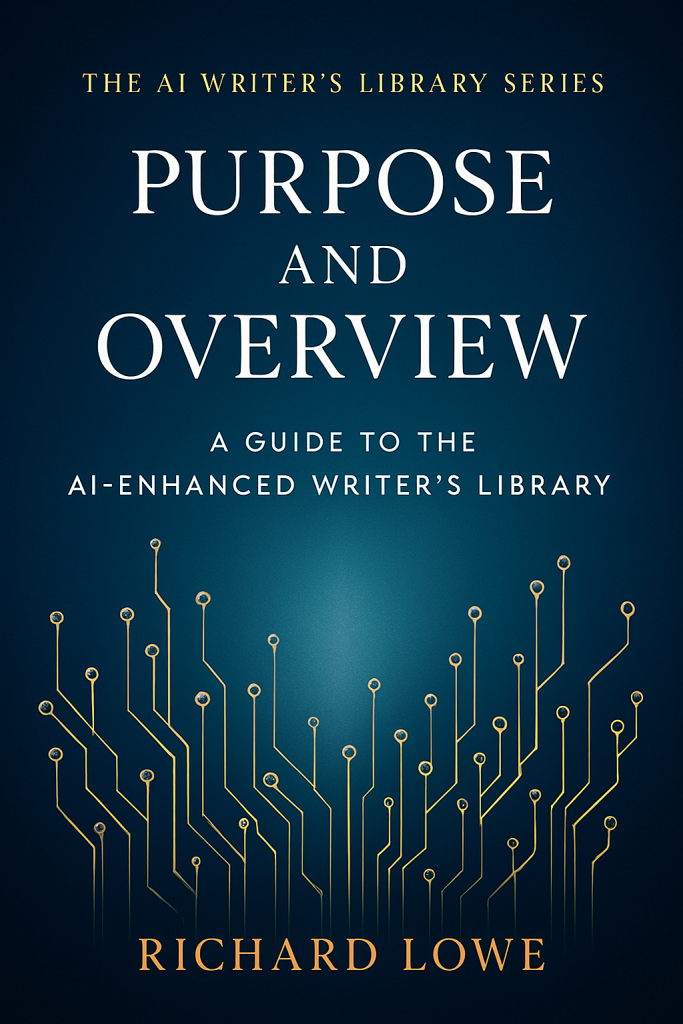
AI-Enhanced Series: Purpose and Overview
Free guide to the AI-Enhanced Writer's Library. All 31 handbooks organized by category with descriptions and links. Find what you need, skip what you don't. -
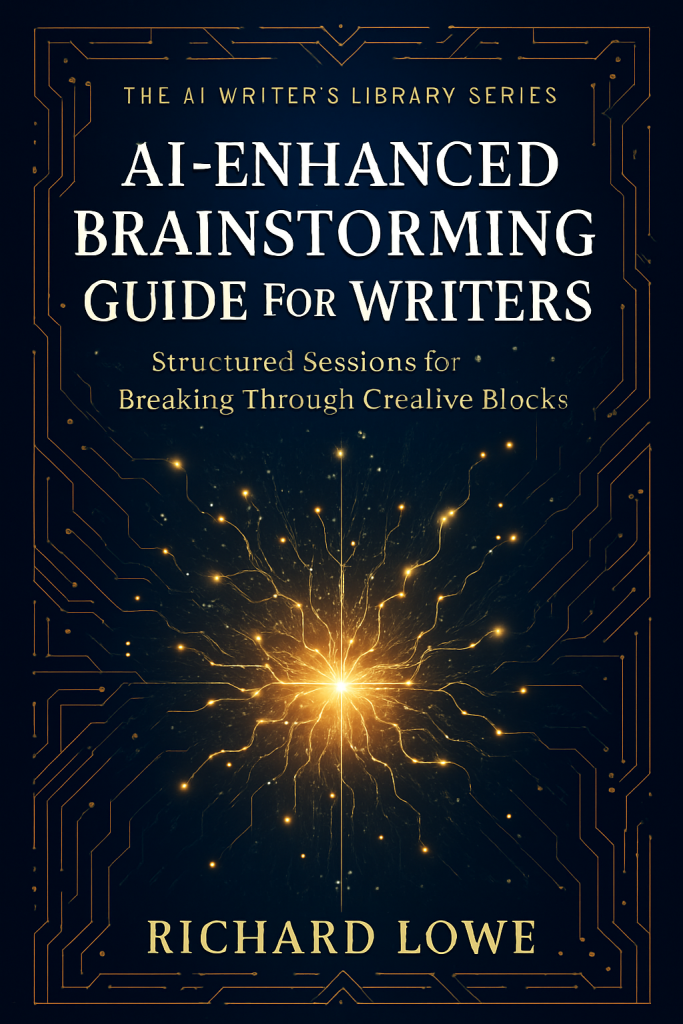
Brainstorming Guide for Writers
Break through creative blocks with structured brainstorming sessions. Psychology-first approach, AI integration, quick-reference templates. From 113-book author. -
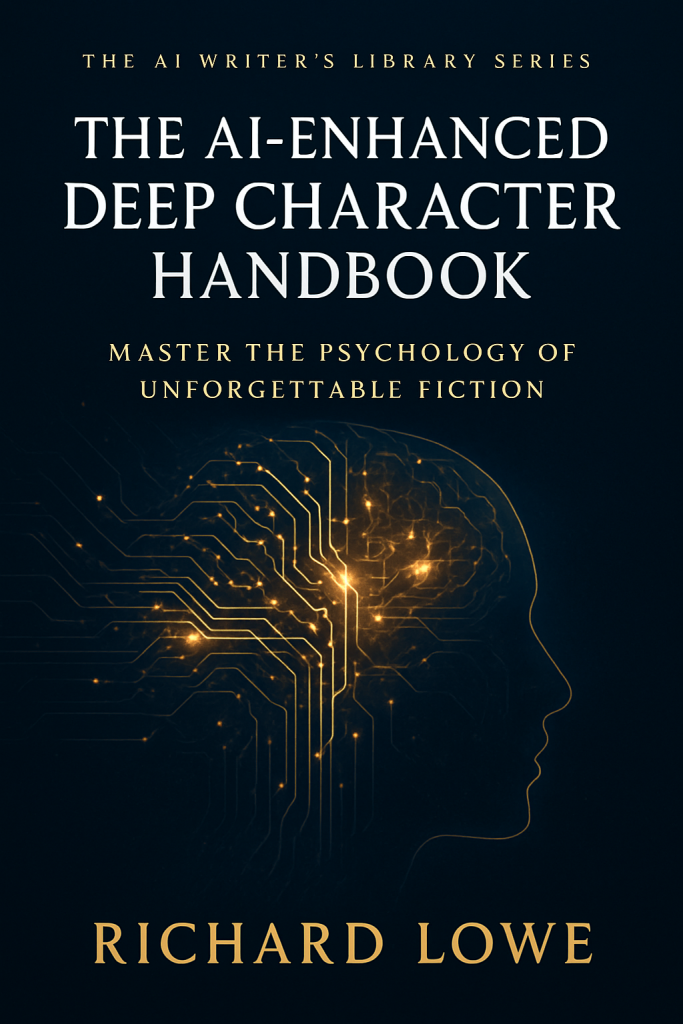
Deep Character Handbook
Master character psychology. Wound-Adaptation-Pattern Framework, attachment theory, defense mechanisms, case studies. 503-page guide from 113-book author. -

Character Naming Handbook
Names are the first promise you make to readers. This handbook teaches character naming as craft—psychology, research, AI tools, and seven detailed case studies. -

The AI Writing Debate Is Missing the Point (And Costing You Books)
The AI debate has two wrong sides. One refuses to touch it. The other copies and pastes. After 113+ books and 54+ ghostwritten projects, here's what actually works. -

Story ARC Handbook
Psychology-first story structure guide covering opening hooks, rising action, midpoint crisis, and climax. Breaking Bad & Pride and Prejudice case studies. 192 pages. -
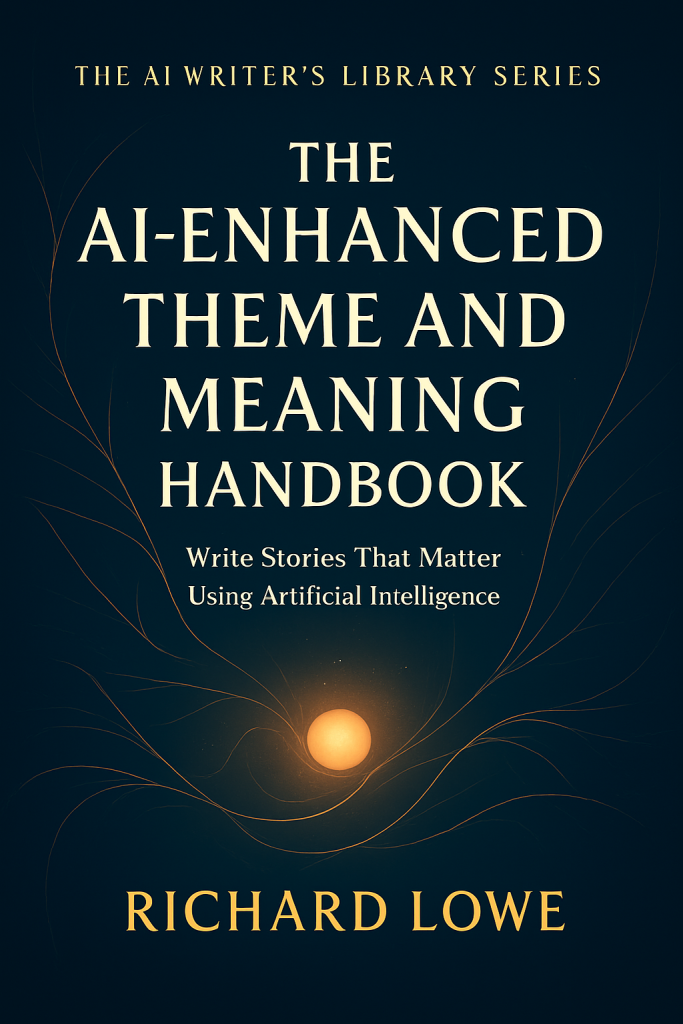
Theme and Meaning Handbook
Psychology-first theme guide covering character wounds, symbolic integration, and subtext. Tolkien & Breaking Bad case studies. AI prompts for thematic analysis. 152 pages.Psychology-first theme guide covering character wounds, symbolic integration, and subtext. Tolkien & Breaking Bad case studies. AI prompts for thematic analysis. 152 pages. -
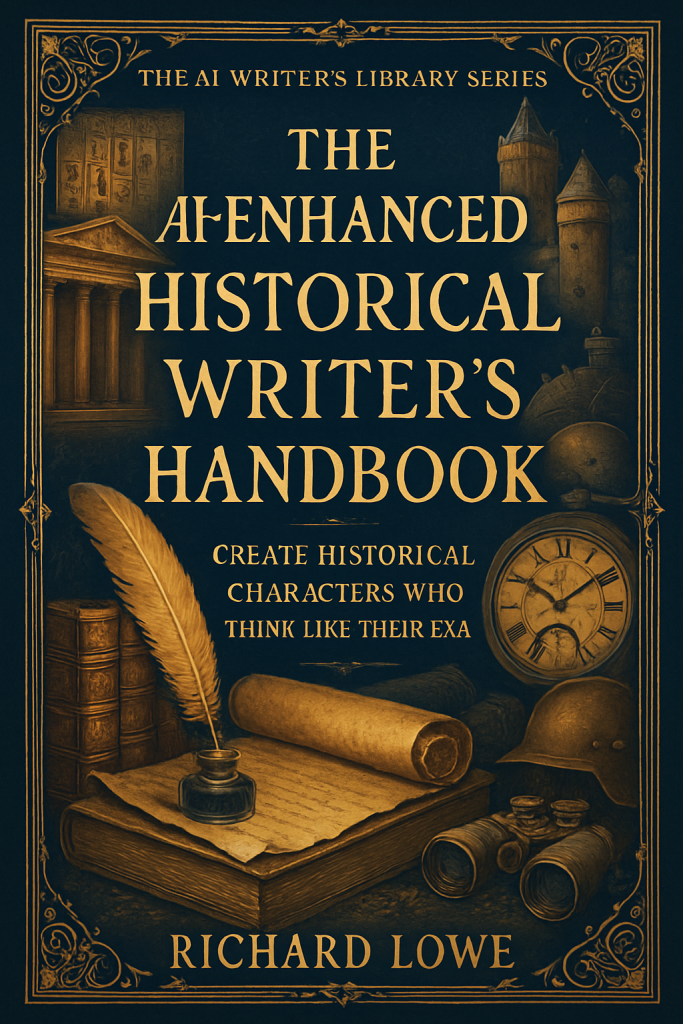
Historical Writer’s Handbook
Psychology-first historical fiction guide with 300+ scenarios from Ancient Egypt to WWII. Stop writing modern people in costumes. AI techniques included. 294 pages.