

The Confusion That Wrecks Characters
Somewhere along the way, writing advice merged two separate ideas into one blob. Character arc. Character wound. Writers use them interchangeably, and their characters pay the price.
A wound is something that already happened. Before page one, before the reader showed up, something broke your character. A betrayal, a loss, a humiliation, a failure so complete it rewired how they see the world. The wound isn’t the story. The wound is the baggage the character drags into the story.
An arc is what happens to that character across the pages you actually write. How they change (or refuse to change) in response to pressure. The arc is the story, or at least the emotional spine of it.
Writers who treat these as the same thing end up in one of two traps. They write a detailed wound and assume the arc will take care of itself. Or they plot a clean arc and forget to give the character a reason to resist changing. Both produce flat characters that readers forget by chapter five.
Wounds Create the Flaw That Creates the Story
A wound by itself isn’t interesting. What makes it useful is the defense mechanism your character built around it.
A child whose parent abandoned them doesn’t just carry sadness. They build a wall. Maybe they refuse to trust anyone. Maybe they cling too hard. Maybe they perform constantly, terrified that being ordinary means being left again. The wound is the abandonment. The flaw is whatever survival strategy the character invented to make sure it never happens twice.
That flaw is what makes your character difficult, compelling, and wrong about something fundamental. It’s the thing that worked when they were seven and is now destroying their adult relationships, their career, their ability to see the truth sitting right in front of them.
Without a wound, the flaw has no roots. It feels arbitrary. “This character has trust issues” means nothing if the reader doesn’t understand why those issues exist. The wound gives the flaw emotional logic, even when the flaw itself is irrational. The Deep Character Handbook covers how to build psychological profiles where wounds and flaws connect at the subconscious level.
Arcs Are About Pressure, Not Epiphanies
The arc is your plot forcing your character’s flaw into situations where it stops working.
The character who refuses to trust anyone gets paired with someone they have to trust or die. The character who performs constantly ends up somewhere performance doesn’t matter. The character who clings too hard watches the clinging push away the one person they can’t afford to lose.
That’s what an arc actually is. Not a smooth curve from broken to healed. A series of escalating moments where the old defense mechanism fails, and the character has to choose: build a higher wall or try something terrifying and new.
Most writing advice draws arcs as a line from Point A to Point B. Flawed at the beginning, transformed at the end. That model produces characters who feel like they’re following a script. Real arcs are messy. Characters make progress, then backslide. They have the revelation in chapter twelve and ignore it until chapter twenty. They choose growth in one relationship and double down on the flaw in another.
The arc doesn’t need to be clean. It needs to be pressurized. Every major plot event should poke the wound and test the flaw. If your plot can happen to any character, your arc isn’t connected to your story.
The Backstory Trap
Writers who discover character wounds tend to overdose on backstory. They write three pages of childhood trauma before the character orders coffee.
The wound doesn’t need to be explained early. It needs to be felt early.
A character who flinches when someone raises their voice. A character who checks the exits in every room. A character who agrees with everyone, instantly, on everything. These behaviors signal a wound without naming it. The reader feels something happened. They lean in to find out what.
Revealing the wound is one of your most powerful cards. Play it too early and you’ve spent your leverage. The reader understands the character before they’ve invested in them. Play it at the right moment and the revelation reframes everything the reader has seen. Scenes that looked one way now look completely different.
The Character Writer’s Handbook breaks down when to reveal versus when to imply, and how to time backstory drops so they deepen tension instead of stalling it.
Positive Arcs, Negative Arcs, and Flat Arcs
Not every character heals. Not every arc goes upward.
In a positive arc, the character confronts the wound, struggles with the flaw, and eventually grows past it. They don’t become perfect. They become functional in a way they weren’t before. This is the most common arc in commercial fiction because it satisfies readers emotionally.
In a negative arc, the character faces the same pressure but makes the wrong choice. The flaw wins. The wall gets higher. Walter White is the textbook example: every opportunity to turn back becomes a reason to go deeper. Negative arcs are harder to write because the character has to remain compelling even as they become worse. The reader needs to understand the logic of every bad decision, even while watching the disaster unfold.
In a flat arc, the character doesn’t change. The world around them does. The character’s wound gave them a truth that everyone else lacks, and the story is about that truth spreading outward. James Bond doesn’t have arcs. He has the same convictions in every story, and those convictions reshape the situations he enters. Flat arcs work when the character serves as a catalyst rather than a subject.
The mistake is defaulting to positive arcs because they feel safe. Some characters need to fall. Some characters need to stay exactly who they are while everything around them shifts. The wound dictates which arc fits, not genre convention.
When the Wound and the Arc Disconnect
The most common structural problem in character writing is a wound that doesn’t connect to the arc the plot demands.
A character wounded by their father’s emotional absence goes through a story about learning to stand up to a corrupt boss. Those could connect, but only if the writer draws the line between parental approval-seeking and professional submission. Without that link, the wound sits in the backstory doing nothing while the arc runs on a separate track.
Every wound implies a specific flaw. Every flaw implies specific situations where it will crack. If your plot doesn’t create those situations, the wound and arc are decorative. They exist on the character sheet but not in the reader’s experience.
Test it: remove the wound entirely. Does the arc still work? If yes, the wound isn’t load-bearing. It’s wallpaper. Either change the wound to match the arc, or rebuild the arc around the wound you’ve got.
Building Them Together
Start with the wound. What broke this person before the story? Then find the flaw: what defense did they build? Then design the arc: what series of escalating events will force that defense to fail?
The plot becomes the delivery system for the arc. Every major scene either tests the flaw, exposes the wound, or forces a choice between the old pattern and something new. Subplots work the same angle from different directions. The love interest triggers the wound differently than the antagonist does, but both are applying pressure to the same crack.
By the climax, the character faces the wound directly. Not a metaphor for it. Not a symbolic echo. The actual thing they’ve been running from, in a form they can’t deflect or deny. What they do in that moment is the arc’s payoff. Growth, destruction, or stubborn refusal to bend. All three can work, as long as the wound made the choice feel inevitable.
Free Stories, Straight to Your Inbox
Start with Nine Doors, nine short stories across nine genres, yours free the moment you sign up. After that, the occasional new collection and a note when there's a new book worth your time. No spam, no daily clutter. Just good stories.
We use MailerLite to manage our list and send these emails. Your address is used only to send you what you signed up for. We will not sell it, share it, or use it for anything else, and you can unsubscribe anytime.
FAQ
What’s the simplest way to tell a wound from an arc?
The wound is what happened before your story. The arc is what happens during your story because of the wound. If you can put it in past tense and it predates chapter one, it’s the wound. If it unfolds across your pages, it’s the arc.
Does every character need a wound?
Every character with an arc needs one. The wound creates the flaw that the arc forces them to confront. Without it, the character changes for no reason, which reads as the author pushing them through predetermined motions. Minor characters and flat-arc characters can function without a detailed wound.
How do I reveal the wound without dumping backstory?
Show the flaw first. Let readers watch the character behave in ways that signal damage without explaining it. A character who never sits with their back to a door. A character who laughs too quickly at their own pain. The behavior creates curiosity. The wound reveal pays it off later, when the reader is invested enough to care.
Can a character have more than one wound?
They can, but one should dominate. Multiple wounds competing for the arc’s attention split the reader’s focus. Pick the wound that connects most directly to your plot’s central conflict. Others can exist as texture, but one drives the engine.
The AI-Enhanced Writer’s Library
The AI-Enhanced Writer’s Library breaks down character, dialogue, pacing, and two dozen other craft elements the same way. Why things work, not just that they work. Psychology-based instruction with AI prompts built in. 35+ guides and counting.
-
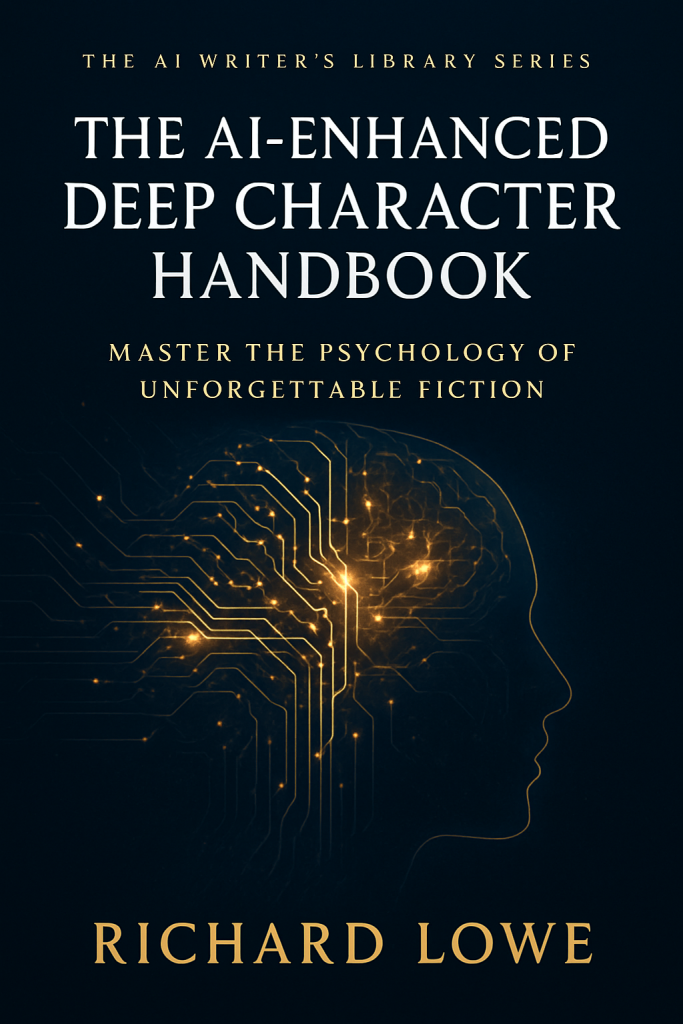
Deep Character Handbook
Master character psychology. Wound-Adaptation-Pattern Framework, attachment theory, defense mechanisms, case studies. 503-page guide from 113-book author. -

Story ARC Handbook
Psychology-first story structure guide covering opening hooks, rising action, midpoint crisis, and climax. Breaking Bad & Pride and Prejudice case studies. 192 pages. -
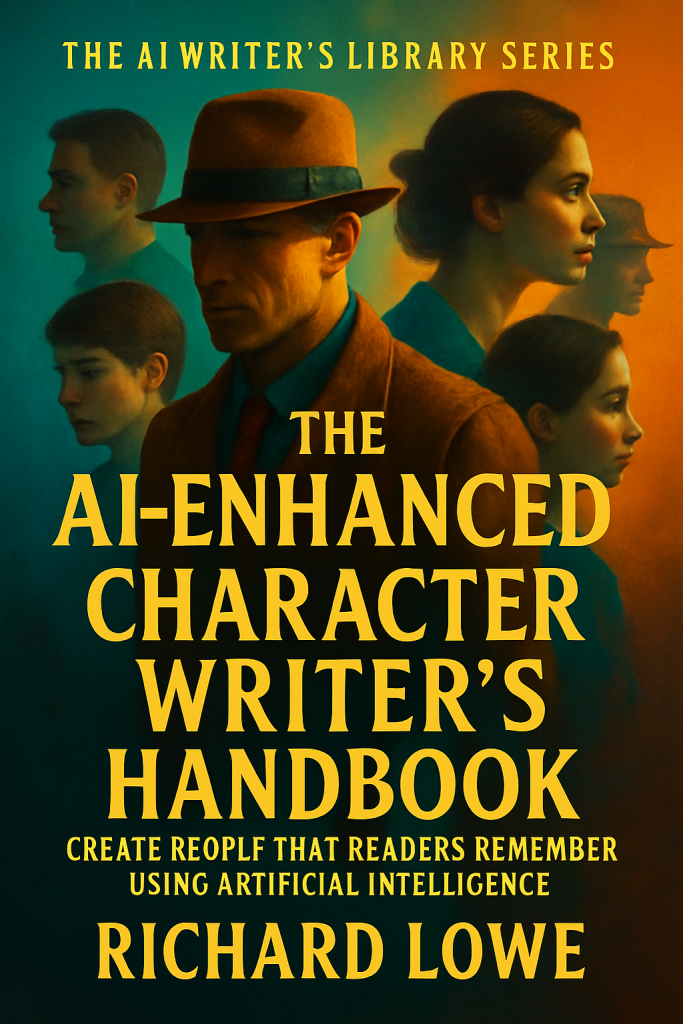
Character Writer’s Handbook
Create memorable characters using psychology. Attachment theory, defense mechanisms, voice development, AI integration. 270-page guide from 113-book author.