
Genre: Samurai
Samurai stories follow the warrior’s code — honor, duty, and the blade, set in a Japan where loyalty can cost everything.
-
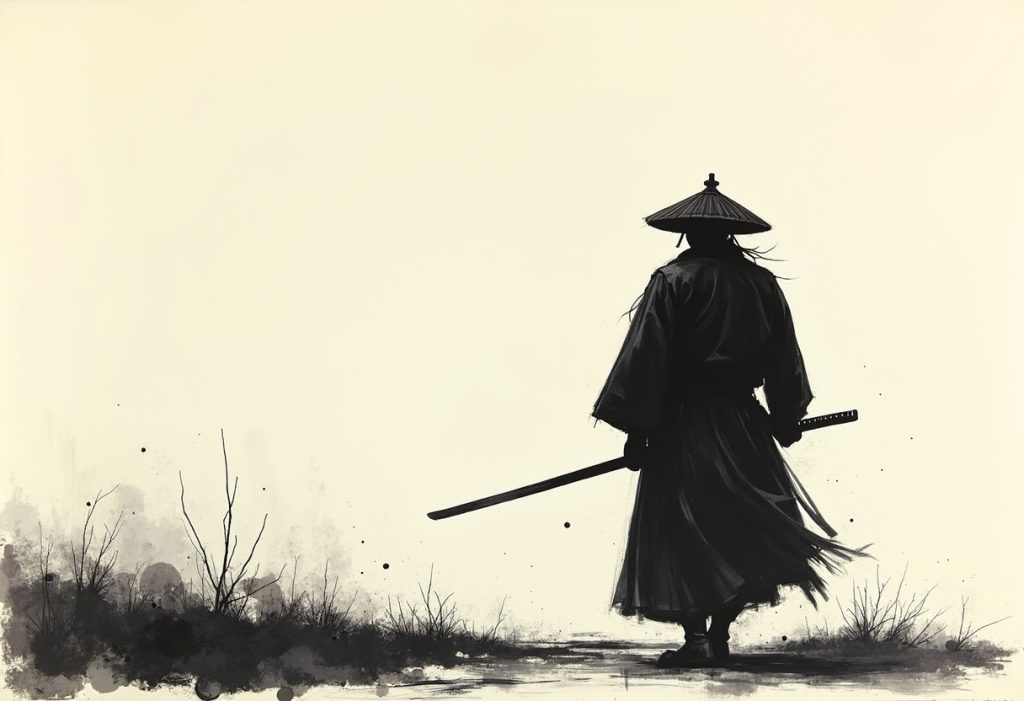
Three Outlaw Samurai (1964)
Hideo Gosha's 1964 directorial debut. Three masterless samurai aid peasant uprising. Spin-off from TV series. Stark and brutal. -
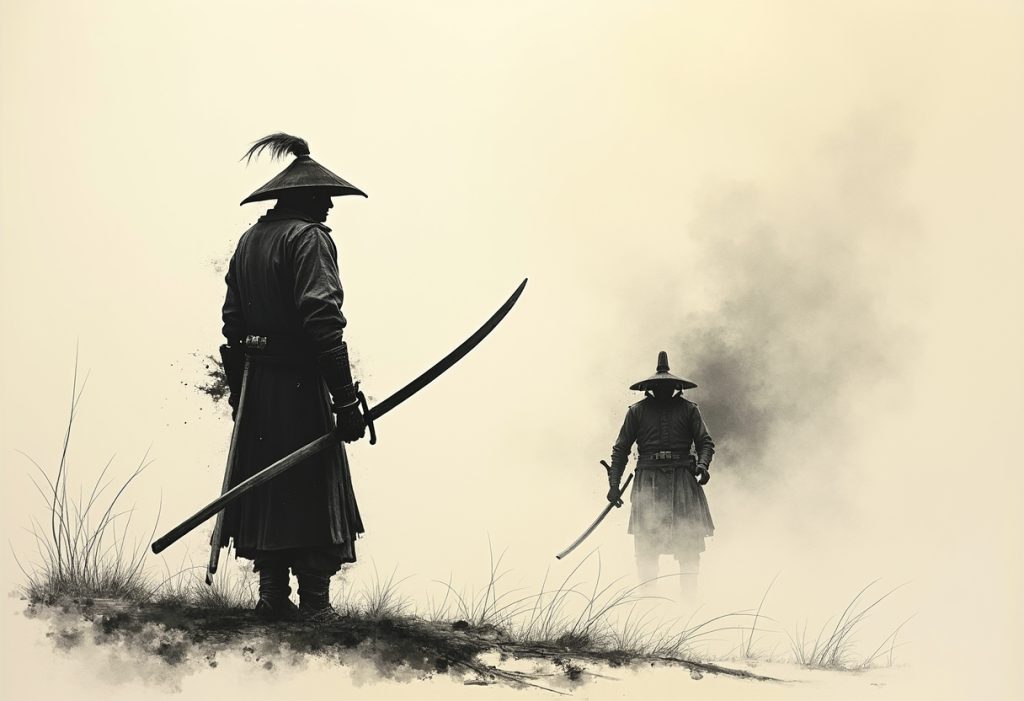
Sword of the Beast (1965)
Hideo Gosha's 1965 second film. Fugitive samurai on the run. The genre's anti-feudal voice. Criterion-canonical. -
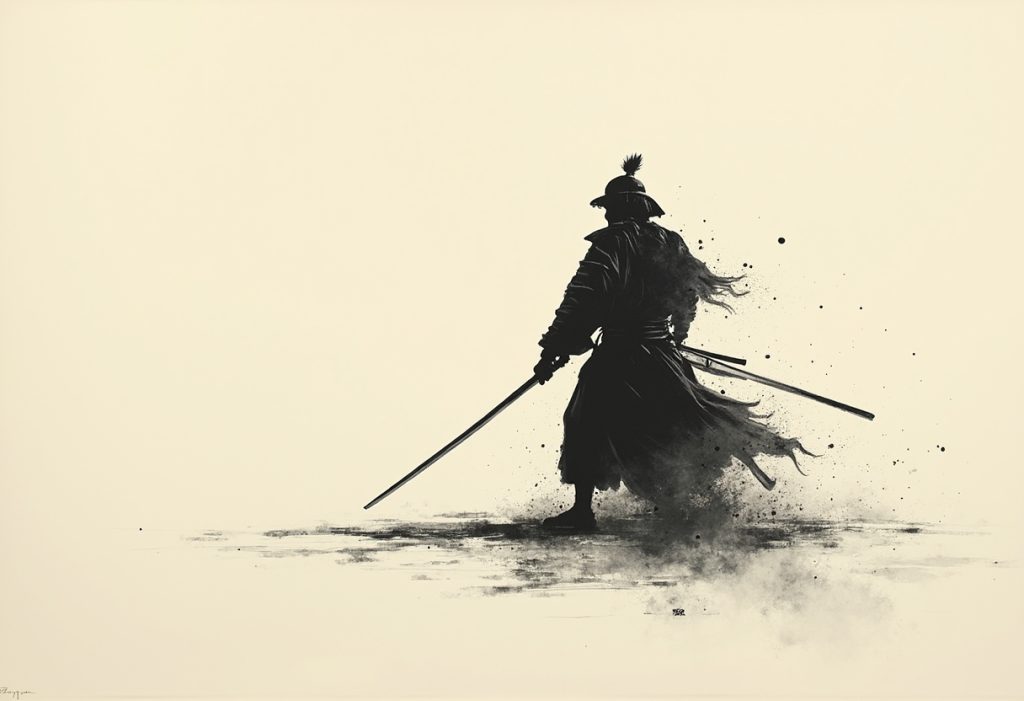
Sanjuro (1962)
Kurosawa's 1962 Yojimbo sequel. Mifune returns as the ronin. The final-fountain-of-blood draw became foundational anime image. -

The Hidden Fortress (1958)
Kurosawa's 1958 medieval adventure. Mifune as general, two bumbling peasants. Lucas cited as Star Wars influence. -

The Sword of Doom (1966)
Kihachi Okamoto's 1966 nihilist samurai film. Tatsuya Nakadai as soulless killer. Adapted novel never finished. Abrupt ending. -
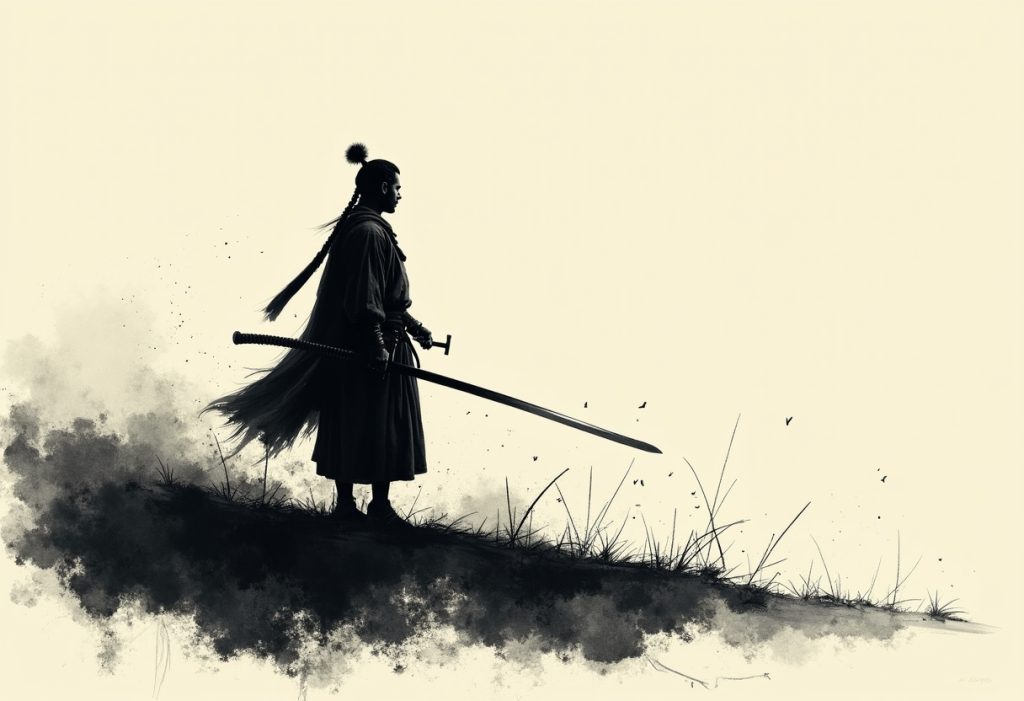
Lone Wolf and Cub: Sword of Vengeance (1972)
Kenji Misumi's 1972 first Lone Wolf film. Itto Ogami and infant son Daigoro on the assassin road. Six-film series template. -
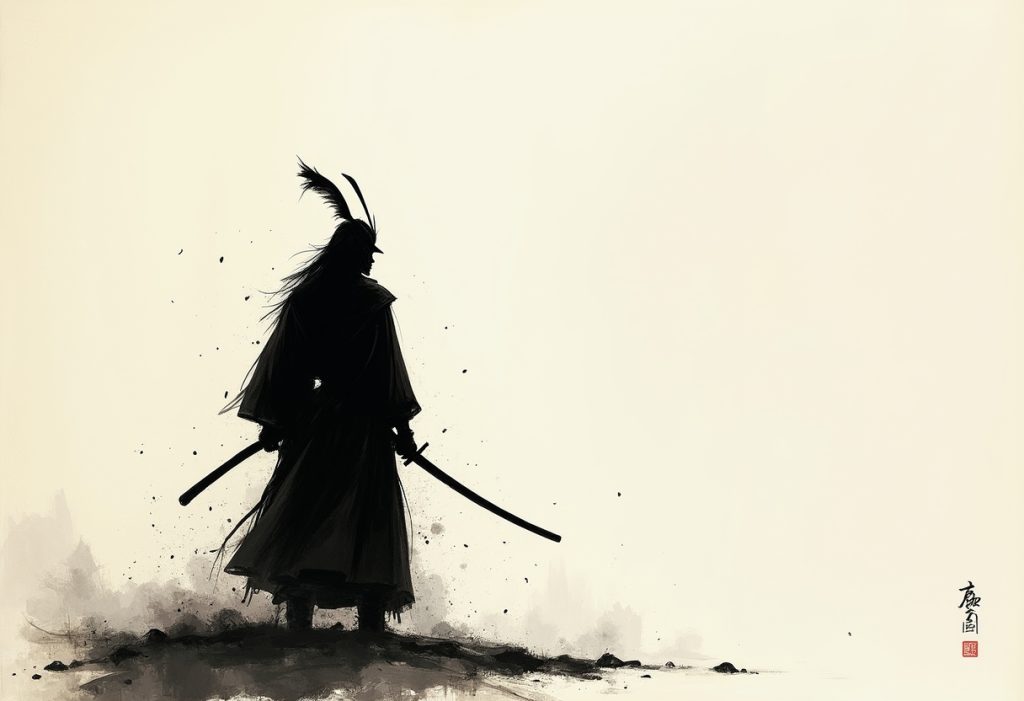
The Twilight Samurai (2002)
Yoji Yamada's 2002 late-Edo samurai drama. Hiroyuki Sanada as widowed petty officer. Domestic samurai life. Academy Award nominee. -
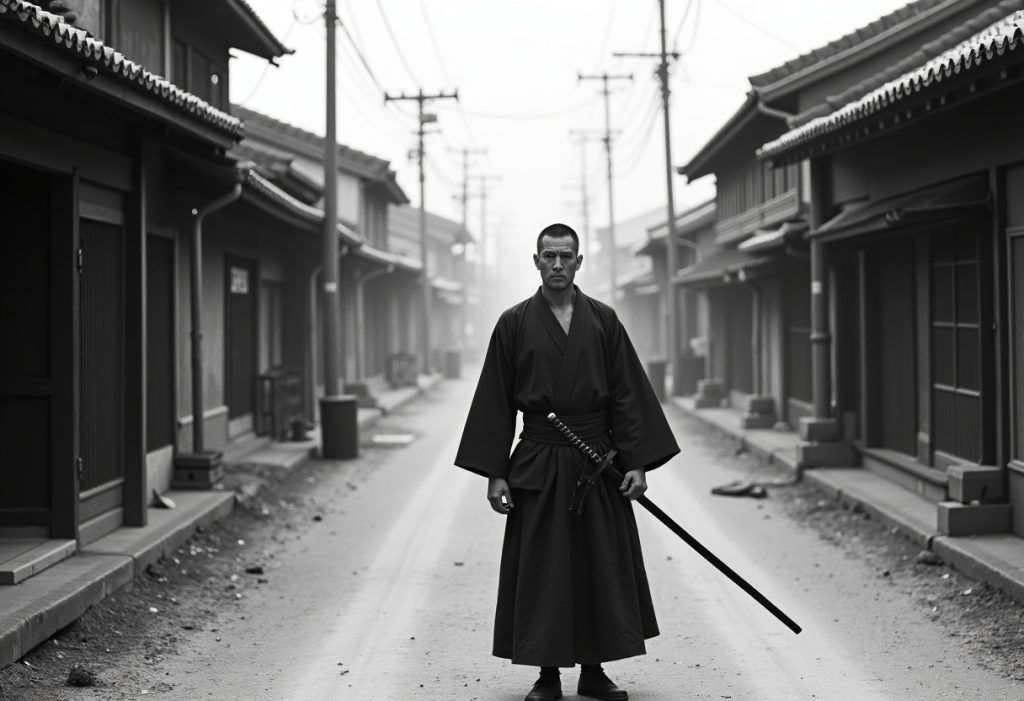
Yojimbo (1961)
Kurosawa's 1961 samurai-noir. Mifune as the masterless ronin who plays two factions against each other. Direct source for Fistful of Dollars and Last Man Standing. -
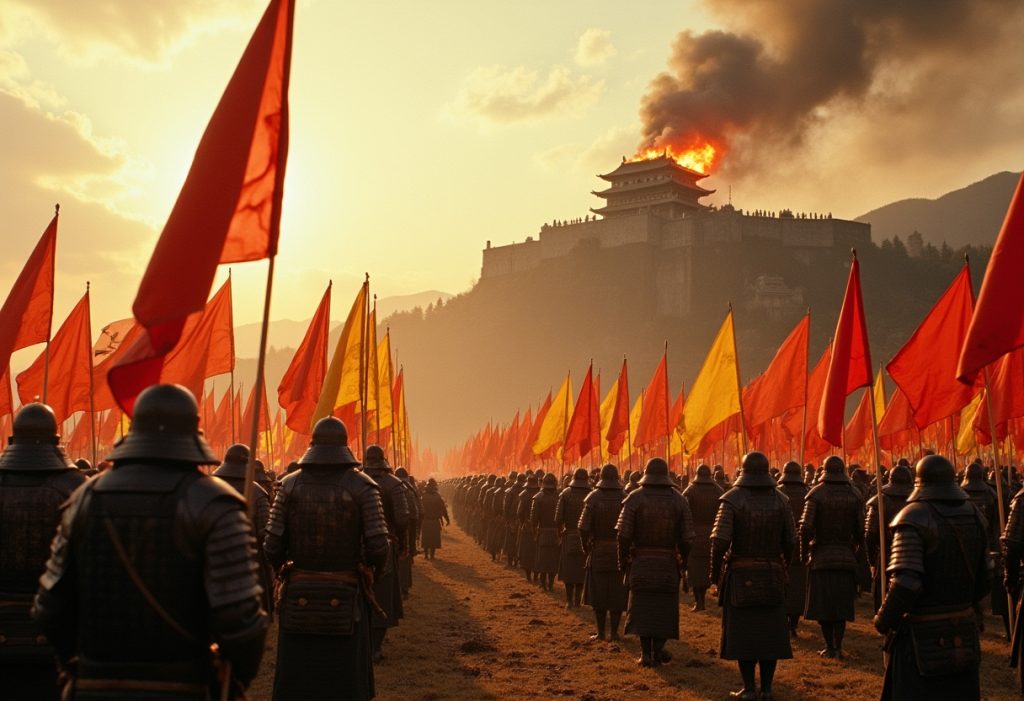
Ran (1985)
Kurosawa's 1985 King Lear in feudal Japan. Three-hour battle epic with armies of 1,400 extras. The film he spent ten years preparing. -
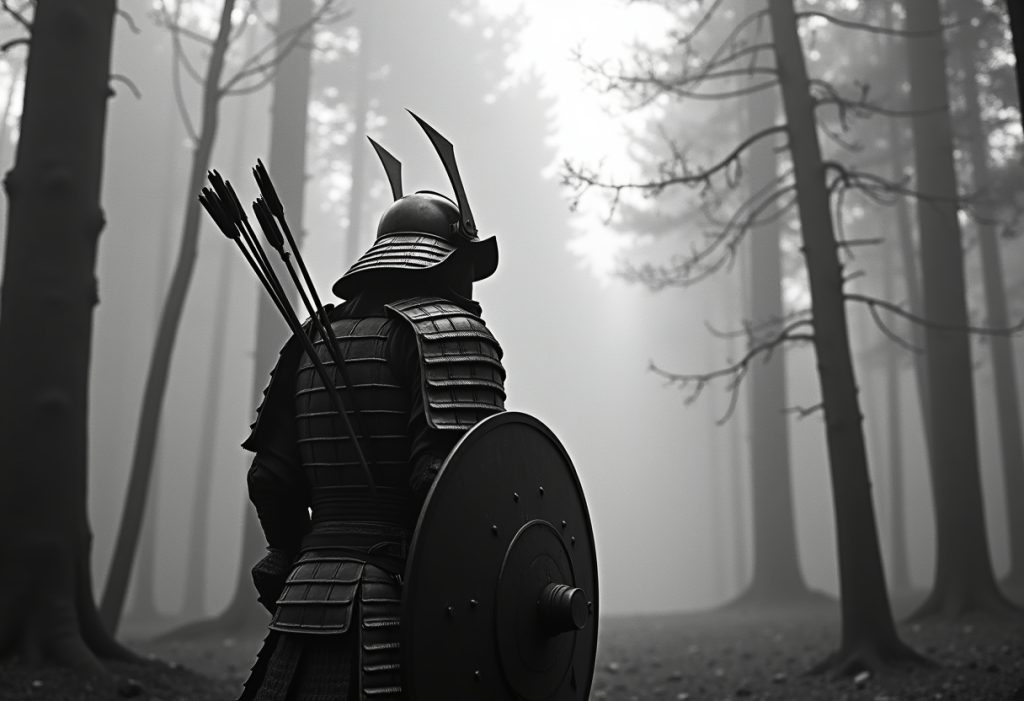
Throne of Blood (1957)
Kurosawa's 1957 Macbeth set in feudal Japan. Mifune as Washizu. The arrow finale is among the most committed practical-effects sequences ever filmed.