
Genre: Documentary
Nonfiction storytelling that documents the real — events, people, and places captured and shaped into narrative without invention.
-

Grizzly Man (2005)
Werner Herzog's 2005 Timothy Treadwell doc. Bear researcher killed by bears. Herzog's voice-over commentary. Tape of the deaths exists. -

The Thin Blue Line (1988)
Errol Morris' 1988 wrongful conviction doc. Randall Adams case in Texas. Reenactments. The film that freed an innocent man. -
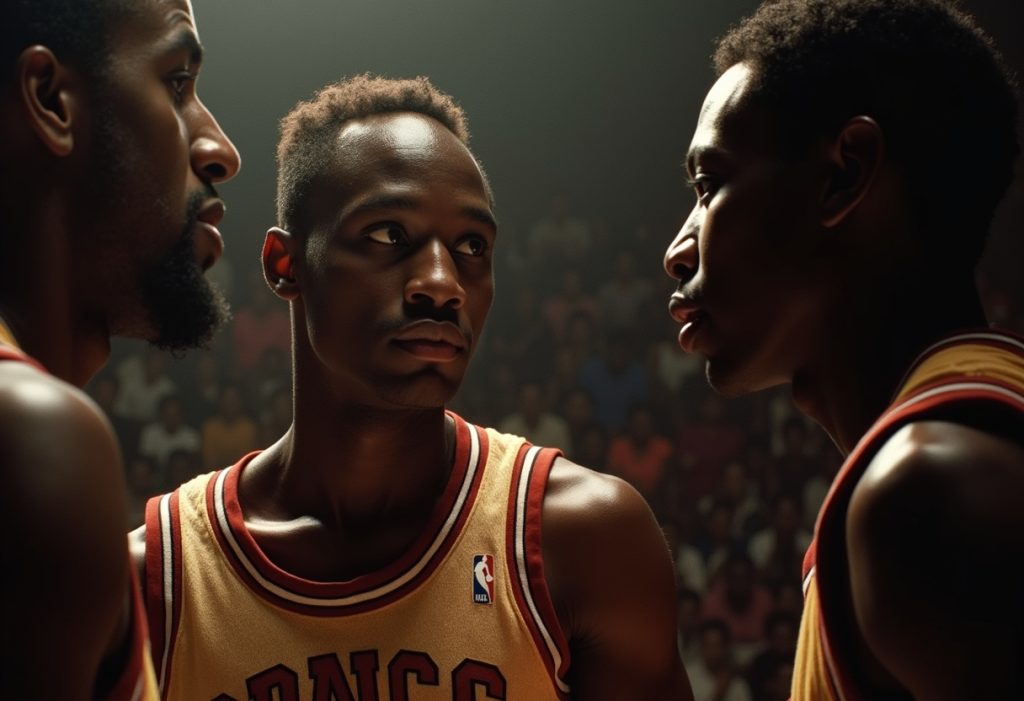
Hoop Dreams (1994)
Steve James' 1994 five-year Chicago basketball doc. William Gates and Arthur Agee. Snubbed by Oscars in major scandal. -

Man with a Movie Camera (1929)
Vertov's 1929 Soviet city-symphony documentary. The film that invented half the techniques modern documentary takes for granted. No intertitles, no narration. -

Hemo the Magnificent (1957)
Frank Capra's 1957 Bell Labs educational film mixing live action and animation. Dr. Frank Baxter and a cartoon Hemo teach kids how blood works. -

Blue Planet II (2017)
Attenborough's 2017 sequel to The Blue Planet. Seven episodes, 125 expeditions. Grouper-octopus pairs, tusk-fish tools, plastic episode that moved policy. -

Planet Earth II (2016)
Attenborough's 2016 sequel shot in 4K UHD. Marine iguana versus racer snake sequence broke the internet. Stabilized cameras changed nature TV. -

Africa (2013)
Attenborough's 2013 six-episode survey of Africa. Three years filming, 24 production teams. Shoebill stork and desert giraffe sequences stand out. -

Frozen Planet (2011)
Attenborough's 2011 seven-episode polar series. Polar bear hunts, killer whales wave-washing, emperor penguin rookeries. The last great BBC ice document. -

Planet Earth (2006)
Attenborough's 2006 eleven-episode HD landmark. Five years, $25M, 71 cameramen. Snow leopards, great whites, lions hunting elephants. TV as cinema.