
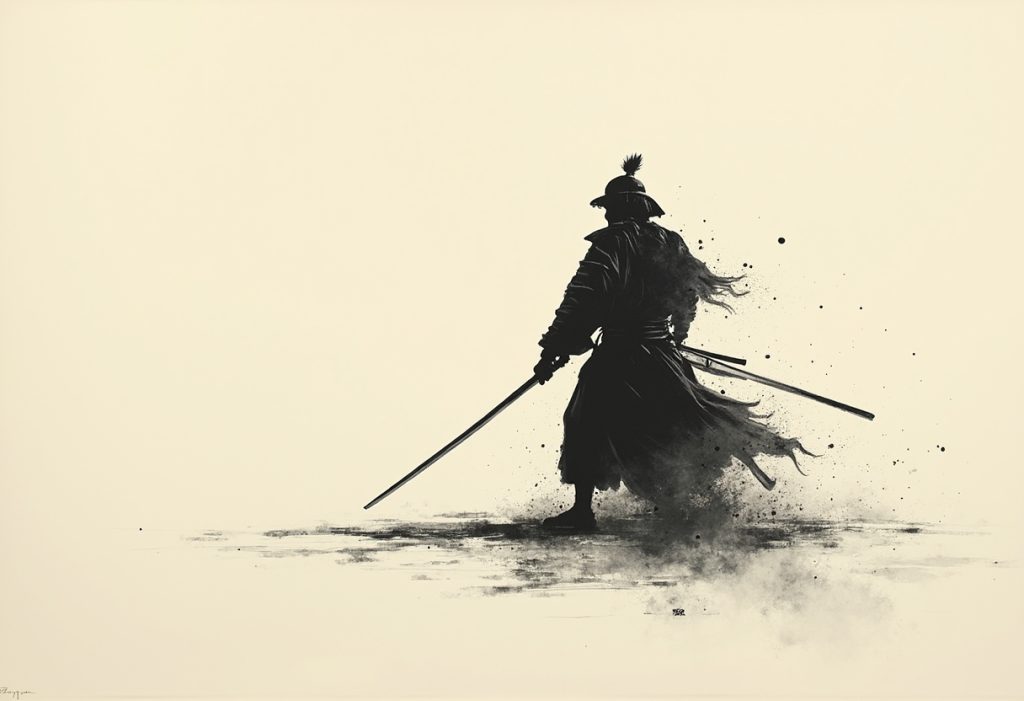
Sanjuro (1962)
Kurosawa’s 1962 Yojimbo sequel. Mifune returns as the ronin. The final-fountain-of-blood draw became foundational anime image.
This archive gathers the films featuring Tatsuya Nakadai reviewed at Master of Worlds: “Harakiri (1962)”, “High and Low (1963)”, “Ran (1985)”, “Sanjuro (1962)”, “The Sword of Doom (1966)”, and “Yojimbo (1961)” — 6 titles in all. Across these reviews the focus stays on how Tatsuya Nakadai serves each story: the choices that make a performance work, the roles that anchor a film, and the range visible across different pictures. Rather than rank the performances, the collection treats them as a body of work worth examining. The list continues to expand as additional films are reviewed.
Kurosawa’s 1962 Yojimbo sequel. Mifune returns as the ronin. The final-fountain-of-blood draw became foundational anime image.

Kihachi Okamoto’s 1966 nihilist samurai film. Tatsuya Nakadai as soulless killer. Adapted novel never finished. Abrupt ending.
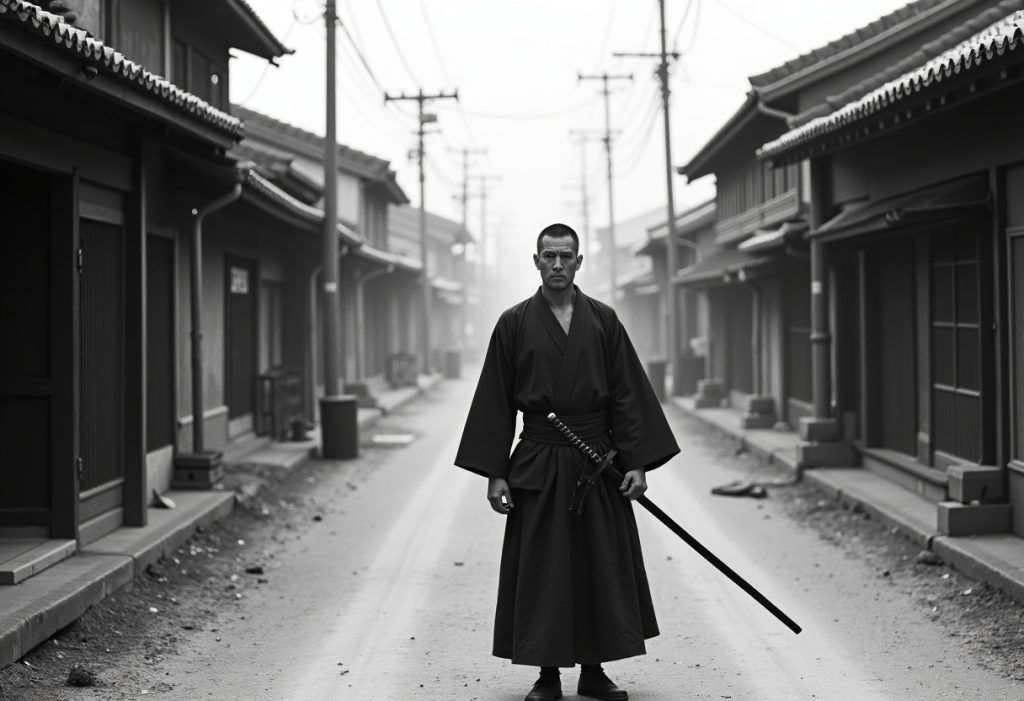
Kurosawa’s 1961 samurai-noir. Mifune as the masterless ronin who plays two factions against each other. Direct source for Fistful of Dollars and Last Man Standing.
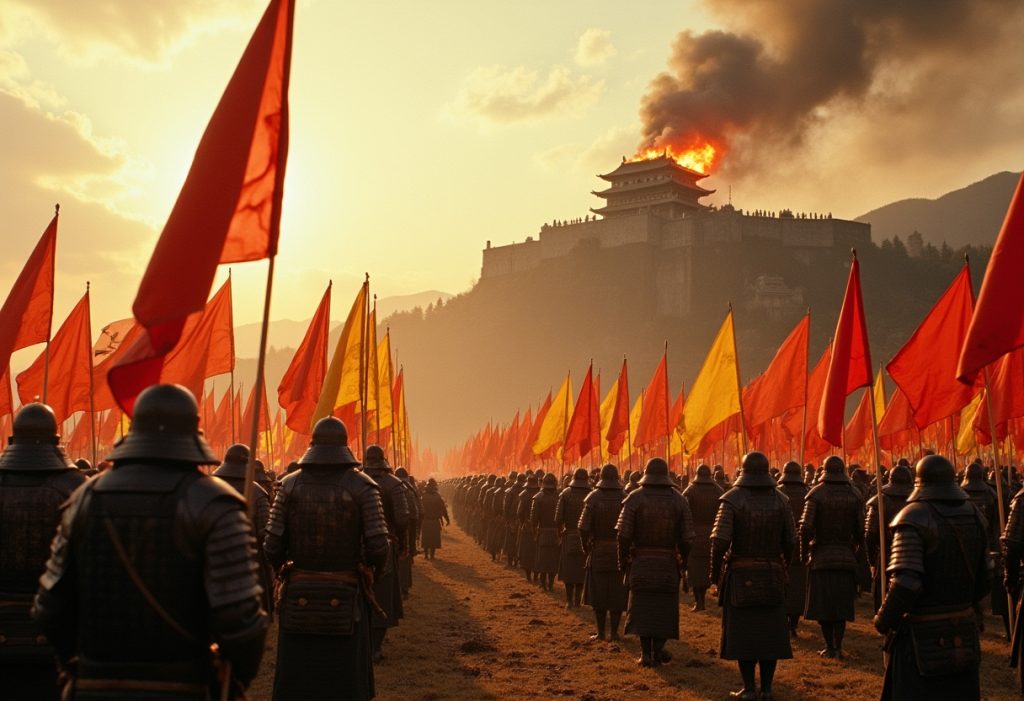
Kurosawa’s 1985 King Lear in feudal Japan. Three-hour battle epic with armies of 1,400 extras. The film he spent ten years preparing.
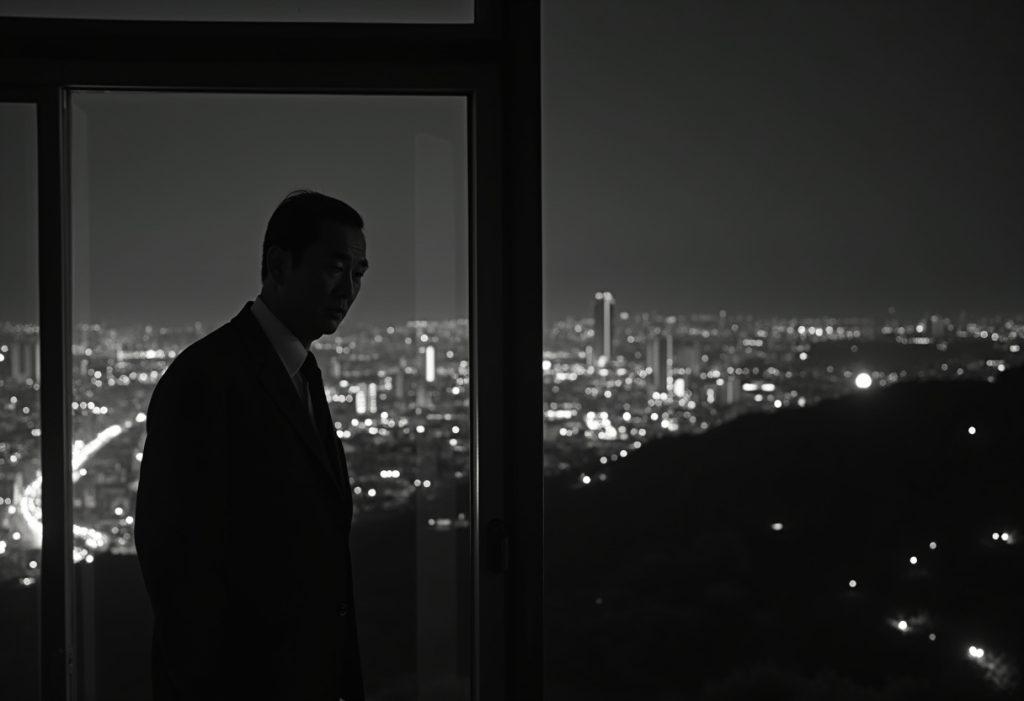
Kurosawa’s 1963 kidnapping procedural. Mifune as the shoe executive. First hour in one room, then the film cracks open. Adapted from an Ed McBain novel.
Kobayashi’s 1962 anti-samurai film. A ronin requests ritual suicide at a clan’s gate. The most ruthless dismantling of bushido ever committed to film.