
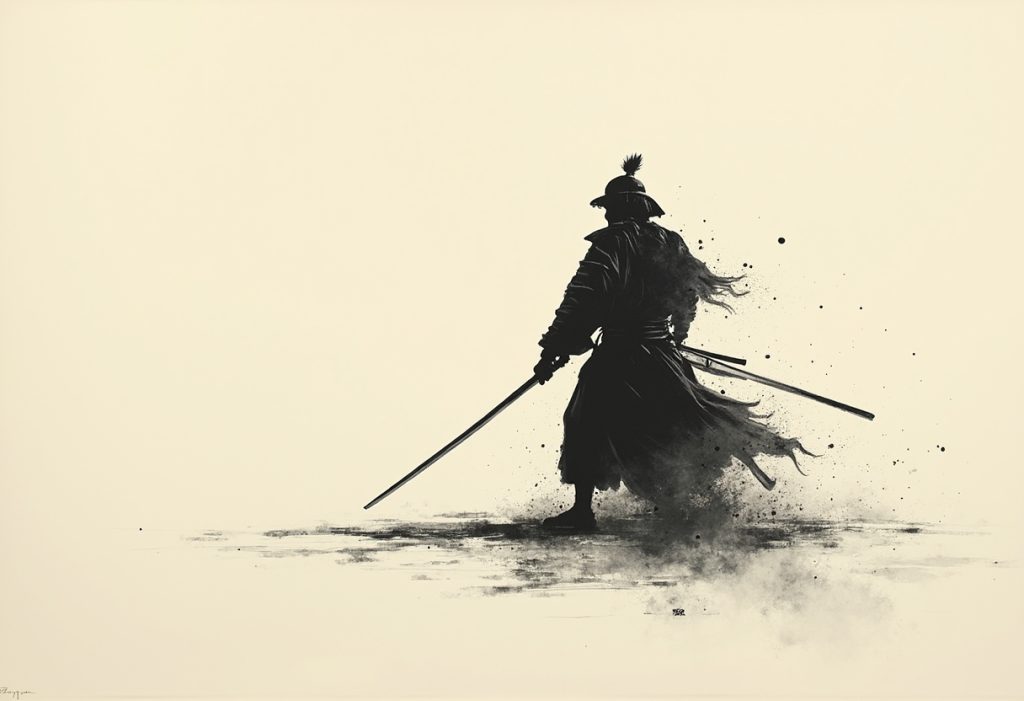
Sanjuro (1962)
Kurosawa’s 1962 Yojimbo sequel. Mifune returns as the ronin. The final-fountain-of-blood draw became foundational anime image.
This archive collects the films featuring Toshiro Mifune reviewed at Master of Worlds — 9 titles spanning “High and Low (1963)”, “Midway (1976) and Midway (2019)”, “Rashomon (1950)”, “Sanjuro (1962)”, “Seven Samurai (1954)”, “The Hidden Fortress (1958)”, “The Sword of Doom (1966)”, “Throne of Blood (1957)”, and “Yojimbo (1961)”. Seen together they form a substantial cross-section of Toshiro Mifune’s screen work, and the reviews approach them as storytelling first. The questions are consistent — what the performance asks of the audience, how it serves the structure of the film, and what holds up on a second or third viewing. Watching one actor across this many roles makes the craft legible in a way a single film cannot: the recurring instincts, the range, the choices that separate a memorable performance from a forgettable one. The collection is curated rather than exhaustive, built from films reviewed in depth at Master of Worlds, and it grows as further titles are added.
Kurosawa’s 1962 Yojimbo sequel. Mifune returns as the ronin. The final-fountain-of-blood draw became foundational anime image.

Kurosawa’s 1958 medieval adventure. Mifune as general, two bumbling peasants. Lucas cited as Star Wars influence.

Kihachi Okamoto’s 1966 nihilist samurai film. Tatsuya Nakadai as soulless killer. Adapted novel never finished. Abrupt ending.
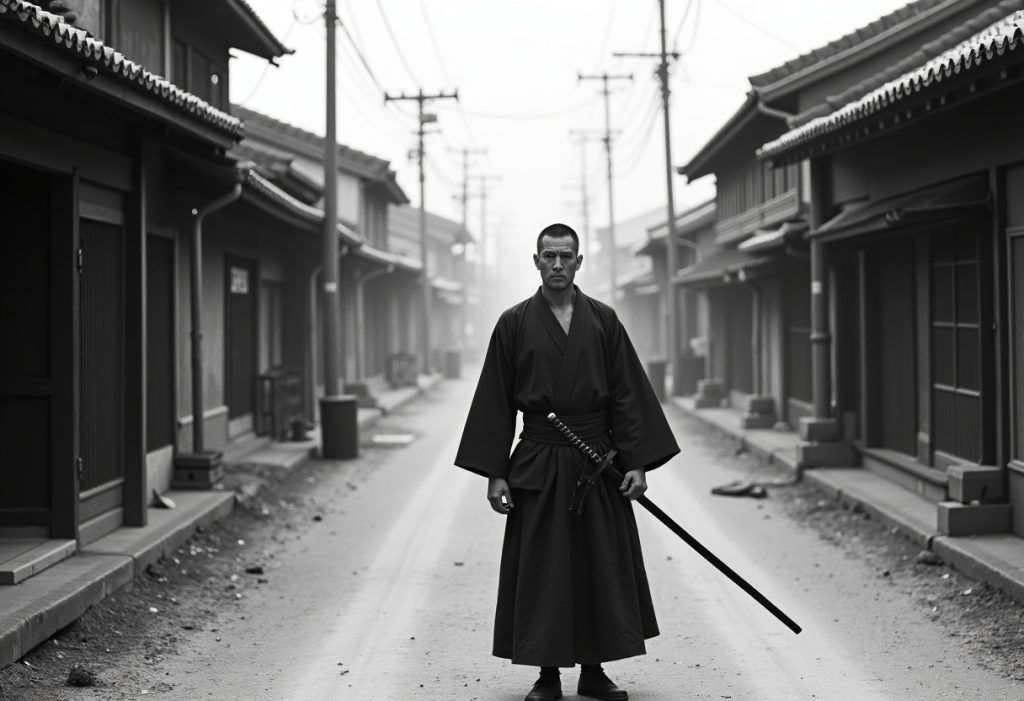
Kurosawa’s 1961 samurai-noir. Mifune as the masterless ronin who plays two factions against each other. Direct source for Fistful of Dollars and Last Man Standing.
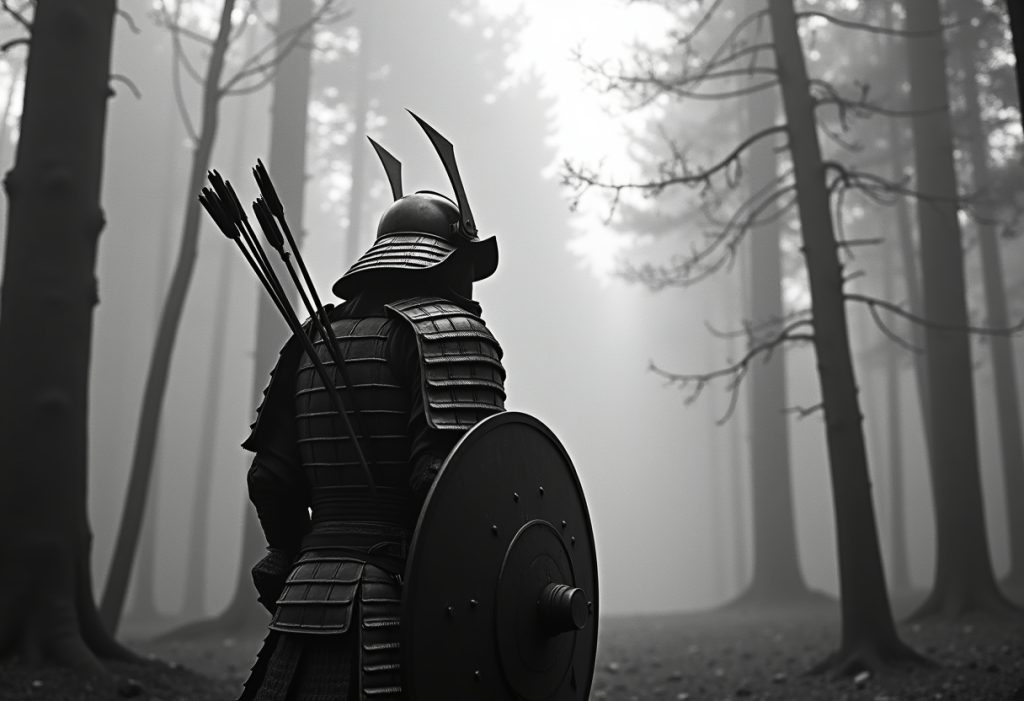
Kurosawa’s 1957 Macbeth set in feudal Japan. Mifune as Washizu. The arrow finale is among the most committed practical-effects sequences ever filmed.
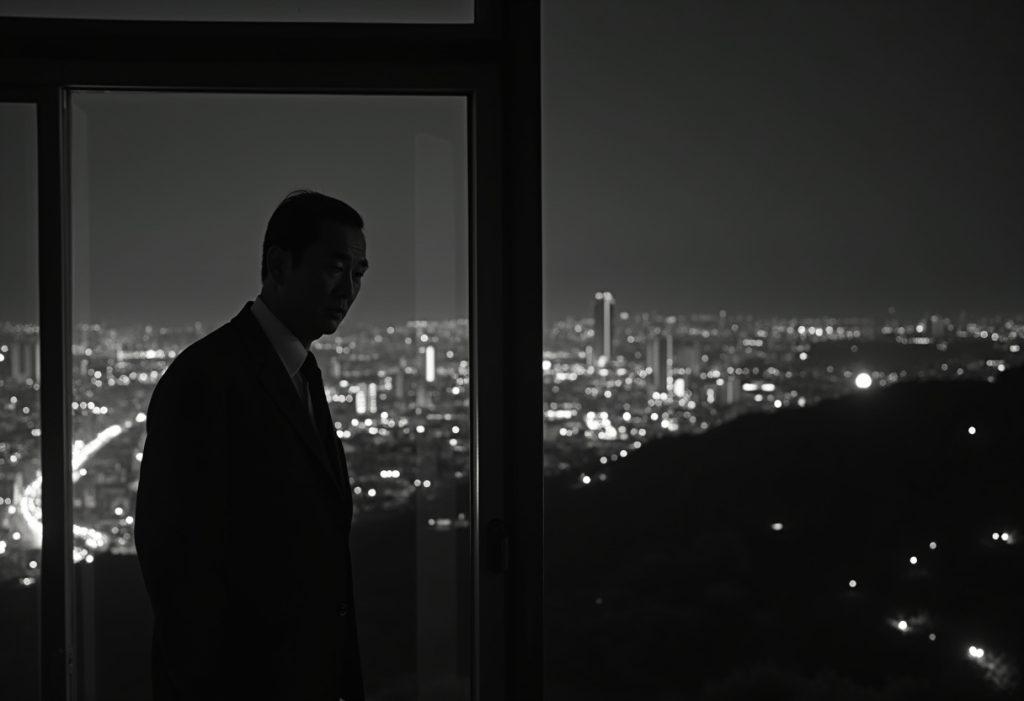
Kurosawa’s 1963 kidnapping procedural. Mifune as the shoe executive. First hour in one room, then the film cracks open. Adapted from an Ed McBain novel.
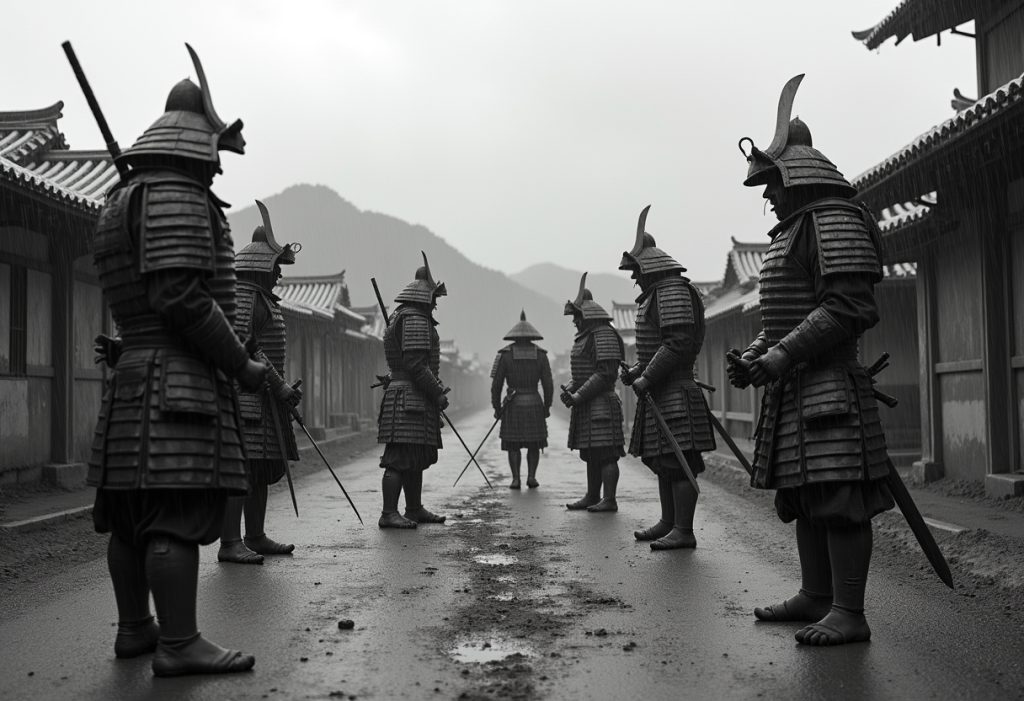
Kurosawa’s 1954 samurai epic. Three hours twenty-seven minutes. The film every assembled-team movie since 1960 has copied.
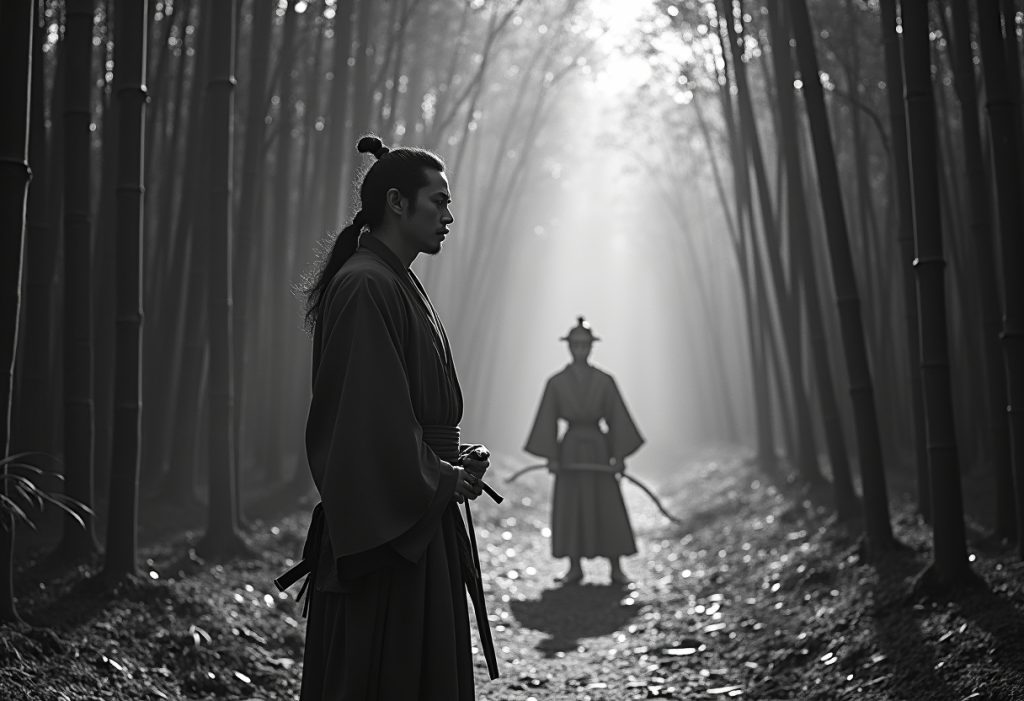
Kurosawa’s 1950 film that gave English the word for unreliable narrative. Four versions of one crime, each true, each false.

Two substantial adaptations of the Battle of Midway. 1976 ensemble approach with Charlton Heston and Toshiro Mifune. 2019 contemporary CGI with Ed Skrein. 8/10.